SBC has announced the launch of the Global Prediction Markets Forum, a new standalone event dedicated to one of the fastest-evolving sectors in betting and finance.
Taking place Oct. 1 in Lisbon alongside SBC Summit, the forum will bring together operators, regulators, investors and policymakers to explore the commercial opportunities, regulatory challenges and future direction of prediction markets.
The launch comes as prediction markets continue to generate significant interest across the betting, financial and regulatory sectors, prompting important discussions around regulation, classification, integrity and consumer protection. As the sector challenges traditional gambling frameworks and expands across multiple jurisdictions, the Global Prediction Markets Forum will provide a dedicated platform for the industry to exchange insights, address key challenges and shape its future.
Held at Lisbon’s five-star Myriad by SANA Hotel, the standalone, ticketed event will feature a full day of discussion, debate and networking, welcoming operators, regulators, investors and policymakers from across the prediction markets ecosystem.
“In all my time in the industry, I can’t remember many topics generating as much buzz and excitement as prediction markets have. But whenever a sector evolves this quickly, questions inevitably follow,” said SBC Founder and CEO RasmusSojmark. “This forum isn’t about explaining what prediction markets are anymore. It’s about providing stakeholders the skills and knowledge to understand where it is heading, how it can develop responsibly, and how to ensure long-term success in the space.”
A full-day prediction markets program
Across a full-day conference program, delegates will examine the commercial, regulatory and technological forces driving prediction markets through a series of presentations, fireside chats, panels and case studies.
Sessions will explore the latest regulatory developments across the U.S. and Europe, the distinctions between prediction markets and traditional sportsbooks, approaches to player protection and integrity and the increasingly blurred lines between sports betting and financial trading.
Sessions include:
‘Prediction Markets – the story so far‘
‘Sky’s the limit: a bird’s-eye view on event contracts‘
‘Regulating futures: bridging the gap between the U.S. and Europe‘
‘Spot the difference: prediction markets vs. sportsbooks‘
‘A question of integrity: protecting players from predictions?‘
‘Blurred lines: from sports betting to financial trading‘
‘An industry on the cusp of boom or bust – what’s the future of futures? ‘
Attendees will also be able to engage in three dedicated networking sessions, including welcome refreshments, a networking lunch, and closing drinks.
Get your ticket for SBC’s Global Prediction Markets Forum
The Global Prediction Markets Forum is a standalone, ticketed event running alongside SBC Summitand theAffiliate Leaders Summit in Lisbon. Attendance requires a dedicated forum ticket, priced at €399, available to both SBC event delegates and those joining exclusively for the forum.
In addition, ticket holders will also receive a complimentary copy of SBC Insight’s latest prediction market report, giving attendees the research and intelligence behind the conversations taking place across the day.
Secure your spot at the Global Prediction Markets Forum here.
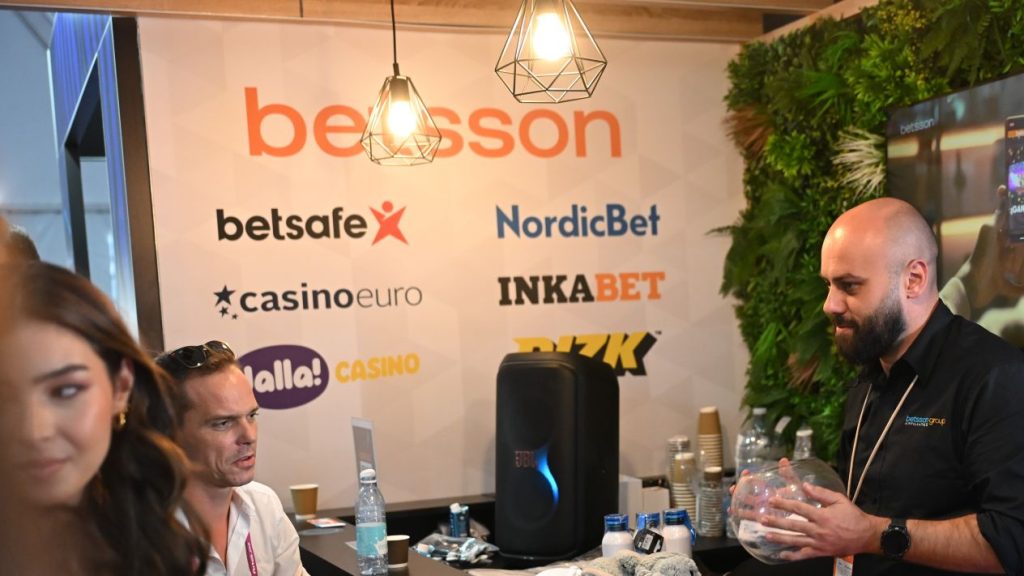
That deal, first announced in March, includes several Rhino entities that collectively hold licenses, operations, and other assets related to B2C activities in Ontario and the rest of Canada. Betsson also acquired Rhino’s proprietary front-end and middleware technology, which the operator said is expected to drive incremental licensing revenue within its B2B business.
Betsson has paid a total price of €64.5m to acquire Rhino’s Canadian assets, equivalent to more than C$100m. It said that valued Rhino’s Canadian business at approximately 4.7x its enterprise value to EBITDA based on pro forma earnings for 2025. Betsson paid €51.25m of that total fee upfront and will pay the remainder in early 2027, six months after the deal closed.
Betsson forecasted in March that the M&A deal will help it scale up in Canada and generate an estimated €13.7m in adjusted EBITDA on a proforma basis. On Monday, Rhino called the sale “an important milestone” for its own operations.
Betsson gets Day 1 Alberta site
Rhino Entertainment Group has a portfolio of Canadian iGaming brands, including:
Big Boost
Casino Days
LuckySpins
The Big Boost and LuckySpins casinos do not operate in Ontario or Alberta’s regulated iGaming markets but are available elsewhere in Canada under Kahnawake Gaming Commission licenses. Canadian Gaming Business reached out to Betsson to confirm if those brandds are included in the acquisition and whether they will remain operational in the Canadian grey market, but had not received a response at the time of writing.
Most prominently, Betsson gets ownership of the Casino Days platform, which has been licensed by the Alcohol and Gaming Commission of Ontario (AGCO) since 2022 and received Alberta Gaming, Liquor and Cannabis (AGLC) registration this year.
After more than three years operating in Ontario’s regulated market, Casino Days was one of the 22 licensed iGaming sites that went live on day one of Alberta iGaming on July 13. It offers a mix of more than 4,000 slots, table games, and live dealer titles from a range of iGaming developers and studios.
Image: SBC
Betsson’s Betsafe offline in Ontario since March
As well as its first operational entry into Alberta, the acquisition of Rhino’s Casino Days also resumes Betsson’s presence in Ontario’s B2C iGaming market.
It already owns the AGCO-licensed Betsafe brand, which had been operational in Ontario since 2023. However, Betsafe stopped accepting bets in Ontario in March of this year. A note on Betsafe’s Ontario-facing website states that platform “will be temporarily unavailable starting March 31, 2026,” but does not offer any further information. Canadian Gaming Business asked Betsson for more context but did not receive a reply.
Betsafe’s AGCO license is set to expire in September after its latest renewal last October. It is no longer listed as an operator on iGaming Ontario’s website.
Now, through its acquisition of Rhino, Betsson brings an established regulated Canadian operation in-house, as well as adding a suite of technology assets that could be licensed to other operators via its B2B division.
The Canadian gambling industry has earned a strong reputation within the global iGaming sector. Since Ontario introduced its regulated online market, affiliates have played an increasingly important role in guiding players towards licensed operators while adapting to some of the industry’s strictest compliance standards.
Sebastian Jarosch is an expert on iGaming affiliates and founder of Mithrillium Media Ltd. The winner of multiple honours from SBC, EGR and EGR Nordics, Affpapa, Casinomeister, AskGamblers, iGB and Sigma spoke with Canadian Gaming Business about how regulation is reshaping affiliate marketing, player trust and long-term commercial value in Canada.
How has Ontario’s strict regulatory framework over the last few years reshaped the value of clean, fully compliant affiliate traffic models compared to gray-market marketing tactics?
The regulation in Ontario has overall raised the bar for affiliate marketing significantly. Operators are now interested in high-quality traffic that complies with local guidelines, while affiliates are forced to pay greater attention to compliance, responsible messaging, and advertising rules.
What do data logs from compliance-first affiliate platforms reveal about the long-term retention rates of Canadian players who register through fully vetted portals?
Players who are acquired through transparent, authentic, and accurate content often have higher lifetime values and greater engagement. Setting realistic expectations from the start often leads to improved retention rates and higher customer satisfaction.
How can Ontario-licensed affiliates effectively use transparent, data-driven content to build player trust while operating under strict provincial marketing and bonus advertising restrictions?
By prioritizing honest reviews, accurate bonus descriptions, up-to-date payment methods, licensing details, and responsible gambling tools. By giving players the full picture, affiliates can help players make better decisions while remaining compliant with local regulations.
What key operational metrics should an international affiliate track to ensure their digital portfolio perfectly aligns with Alcohol and Gaming Commission of Ontario (AGCO) standards?
Affiliates have to track compliance across bonus content, responsible gaming tools, disclosure requirements, review accuracy, and promotional messaging. Scheduling recurring content reviews and audits helps ensure compliance with regulatory requirements.
In what ways does delivering high-quality, organic search traffic help Canadian affiliates command stronger, long-term commercial partnerships with tier-one operators?
Organic affiliate traffic is usually higher intent, leading to improved conversion rates and better retention. Operators are interested in affiliate partnerships that consistently deliver quality players instead of high volumes of untargeted traffic.
How do localized user experience preferences in Canada, such as seamless integration with trusted payment networks like Interac, influence player acquisition costs?
Localized payment methods, tailored content, and familiar currencies improve conversion rates and also impact lifetime values. A positive user experience often leads to better retention rates, which also reduces acquisition costs.
Why are institutional buyers paying a premium for Canadian affiliate networks that utilize independent data audits to insulate their traffic from regulatory risks?
Third-party audits demonstrate transparency, lower compliance risks, and give investors confidence in the sustainability of the affiliate business. Verified data makes affiliates more attractive to potential buyers.
How can data modeling help affiliates predict when an Ontario player’s activity is stabilizing into a sustainable, long-term pattern versus dropping off early?
Review sites like Casino-Groups analyze behaviour patterns, conversions, engagement, and retention rates. This data helps affiliates identify patterns and determine which traffic sources deliver higher-quality players over time.
How does automated compliance tracking protect an affiliate’s enterprise market value from sudden, localized updates to provincial gaming laws?
Automation is very efficient in keeping content accurate, up to date, and compliant as regulatory rules change. This lowers compliance risks, protects visibility in search engines, and fosters strong long-term relationships with casino operators.
Looking at the future of the Canadian iGaming landscape, do you believe the Ontario blueprint will successfully convince other provinces to adopt similar, affiliate-inclusive open market structures?
Ontario has shown that a regulated and competitive market can perform well for both operators and affiliates. Although each province has its own rules, Ontario demonstrates how regulation, player protection, and commercial growth can successfully coexist.
SBC Summit will introduce three expert-led Masterclasses in 2026, giving delegates practical training in sportsbook trading, electronic gaming and responsible gaming marketing.
Running from 29 September to 1 October as part of the Education+ programme, the sessions are built to give betting and gaming professionals skills they can take straight back into their roles.
Each is led by a specialist in the field and built around interactive exercises rather than lectures. Delegates can choose between the Sportsbook Trading Masterclass, led by Jonathan Smith (Founder, Sportsbook Training Services); the Electronic Gaming Academy Masterclass, delivered by Lucien Wijsman (Gaming Consultant, Electronic Gaming Academy); and the Responsible Gaming Marketing Masterclass, led by Arjan Korstjens (Owner, Casino Marketing Academy). All three count towards CPD-certified learning hours.
Rasmus Sojmark, CEO and Founder of SBC, said: “Conferences are an excellent place to discover new ideas, but the next challenge is turning those ideas into something people can use when they return to work.
“That is exactly what these Masterclasses are designed to do. They give attendees the time, expert instruction and practical environment needed to work through important industry challenges in far greater depth.”
The Sportsbook Trading Masterclass takes place on Tuesday, 29 September. Led by Jonathan Smith (Founder, Sportsbook Training Services), the Masterclass consists of three progressive sessions covering the fundamentals of sportsbook pricing, probability and odds compilation, before examining how trading teams use market data and predictive modelling to refine their prices.
Attendees will then put the theory into practice, using Excel and Python to build models across a range of NBA betting markets. The Masterclass is suited to junior traders, analysts and sportsbook managers, as well as professionals looking to strengthen their understanding of trading and risk management.
On Wednesday, 30 September, the Electronic Gaming Masterclass explores how modern casino players behave and experience slot games. Led by Lucien Wijsman, it examines player motivations, behavioural archetypes and the differences between land-based, hybrid and online-first audiences.
Attendees are also introduced to Expected Session Volatility, a framework for understanding how players experience game mathematics during real sessions. The insights can sharpen decision-making across product development, CRM, marketing, customer communication and responsible gaming.
The Responsible Gaming Marketing Masterclass takes place on Thursday, 1 October, and looks at how operators can integrate player protection across acquisition, retention and customer communication. Led by Arjan Korstjens, the session challenges the idea that responsible gaming should sit apart from wider commercial strategy.
Through practical exercises and real-world examples, attendees explore how clearer communication, customer education and proactive monitoring can support earlier intervention and more sustainable player relationships. Participants leave with a framework for building a responsible gaming marketing strategy across the full customer journey.
The Masterclasses are aimed at professionals working across sportsbook operations, trading, casino product, CRM, marketing, compliance and responsible gaming.
Access is available through the Education+ Upgrade, which can be added to any SBC Summit ticket for €249 and gives delegates entry to a Masterclass or Tech Academy of their choice.
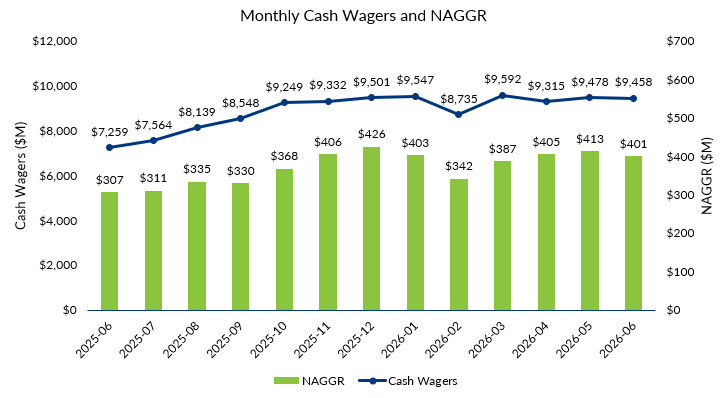
The latest figures from iGaming Ontario (iGO) show that the regulated Ontario online gambling market is tracking at 30% ahead of last year in terms of both customer spending and operator earnings.
In June 2026, handle increased 30.3% from $7.26bn in June 2025 to $9.46bn. That total amount of non-promotional cash wagers was the fifth-highest monthly figure in Ontario’s history as a regulated market; March 2026’s $9.59bn remains the all-time high mark.
Aggregated gross gaming revenue last month was $400.6m, which was 30.6% ahead of the same month last year. However, like the handle, it represented a small monthly dip from May. Ontario operators’ all-time best month for GGR is December 2025, when the total hit $425.6m.
Operators’ combined revenue has now broken the $400m barrier in six of the last eight months since first doing so last November.
The $400m in revenue meant that the Ontario government took $80m in tax revenue thanks to the province’s 80-20 revenue split. That takes the province’s all-time tax revenue from regulated iGaming to more than $2.5bn since the government opened the market in April 2022.
There were more than 1.3 million active player accounts on licensed Ontario online gambling operators in June, the most since January. Those accounts produced an average revenue for operators of $304.
More than $8bn in online casino gaming
Of the total cash wagers, 88% came on online casino gaming. The $8.30bn in online casino handle was the third-highest of any month in the history of Ontario’s regulated market, behind only March 2026 and May 2026’s record, and was up 30.5% year over year.
Ontario’s iCasino operators made a collective $316.8m from that product vertical, representing 79% of the total GGR. That was down 3% from May’s monthly record online casino revenue of $326.4m but up 30.4% from June 2025.
In a month that included the start of the 2026 FIFA World Cup and yielded reported record-setting soccer betting on several Ontario online gambling platforms, sports betting handle eclipsed $1bn for the fourth time in six months in 2026. The $1.03bn total was up 6% from May and 34.5% ahead of the same month last year, when there was no World Cup boost.
Ontario’s online sportsbooks made $78.6m from sports betting, representing 20% of the total Ontario online gambling handle in June. That sports wagering GGR was up 34.4% from June 2025.
Online poker continues to account for just 1% of both handle and revenue in the province’s iGaming market.
iGaming Ontario’s numbers do not include online sports betting or casino activity on the government-owned Ontario Lottery and Gaming (OLG) platform.
Two major new operators arrive
As of the time of writing, the Ontario online gambling market consists of 48 licensed operators running a total of 82 sites.
June’s numbers do not account for the potential impact of two high-profile new additions to the field in recent weeks.
DAZN Bet already operates in several European markets, including:
Germany
Italy
Spain
The UK
DAZN Bet’s Managing Director of Canada, Richard Rawlinson, said that the operator will combine the strength of a global sports brand with a localized, built-for-Canada product, and that the Ontario entry “is the beginning of a long-term commitment” to Canada.
Then, on July 22, Hard Rock Bet finally launched in Ontario after many months of speculation about its plans for Canadian entry. The Seminole tribe-owned, Florida-headquartered operator offers online sports betting in 10 U.S. states, but Ontario constitutes its first iGaming expansion north of the border.
Image: Shutterstock
Ontario is just the third market in which Hard Rock Bet is able to offer online casino as well as sports betting.
Until last week, Hard Rock Bet’s absence from Ontario made it one of the holdouts of U.S. gaming; most other major American-market operators have been in the province’s regulated market for years.
However, the parent Hard Rock International does own and operate Hard Rock Hotel & Casino Ottawa in Canada’s capital. That makes it one of very few Ontario online gambling operators that also has a brick-and-mortar casino presence in Canada.
The arrivals of DAZN Bet and Hard Rock Bet will be accounted for in iGaming Ontario’s July revenue report, although the government agency does not break down its reporting by individual operator.
Rush Street Interactive executives say that BetRivers‘ launch in Alberta has been twice as good as its rollout in Ontario was four years ago.
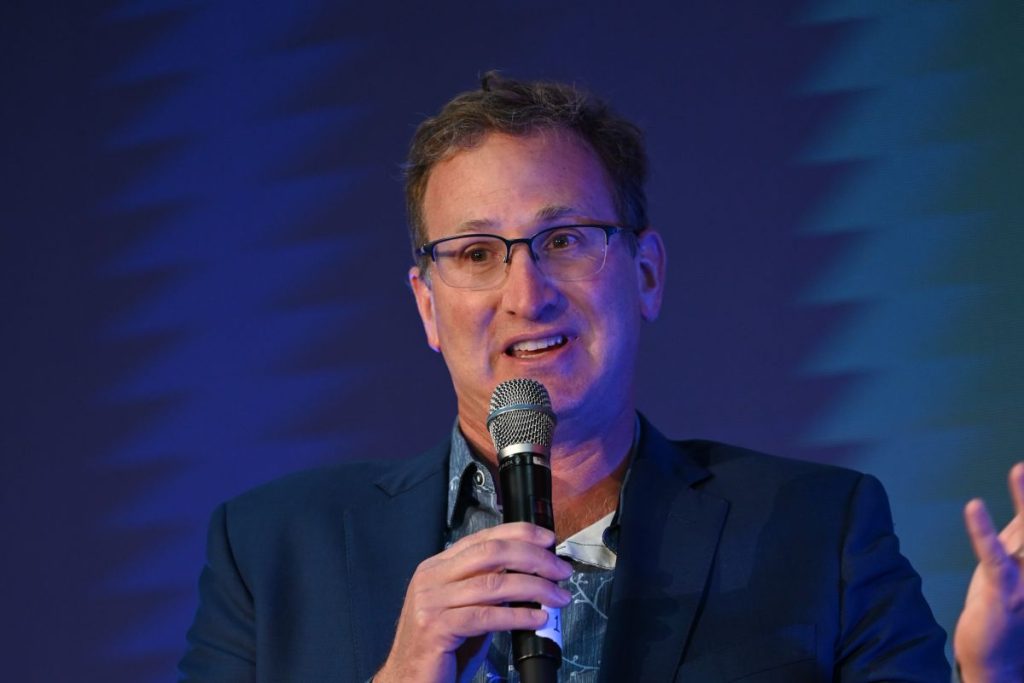
Speaking on a Q2 earnings call on Wednesday, July 29, CEO Richard Schwartz said the company has seen strong results since launching in Canada’s second regulated iGaming province on July 13, the first day of business in Alberta.
“While it’s still very early days, we’re encouraged by what we’ve seen so far,” Schwartz told investors and analysts. “On a population-adjusted basis, first-time depositors and daily active users are currently tracking at approximately twice the levels we saw in Ontario at the same point following launch. Very early, but we’re excited to watch the Alberta market build over the coming quarters.”
At about five million, Alberta’s population is less than one-third of Ontario’s, which is approximately 16 million.
The Alberta iGaming Corporation is not expected to publish its first market revenue report until October, after its first quarter of business. Ontario, which hosts almost 50 commercial operators running more than 80 licensed iGaming sites, does not break down its monthly regulated iGaming revenue reports by individual operator. Rush Street Interactive leaders said back in February that BetRivers’ online casino share in Ontario was mid- to low single digits, and sports was a little lower.
Schwartz noted that, just as Ontario did in 2022, Alberta is transitioning out of an unregulated market. Unlike some online casinos and sportsbooks that have sought a license in the province, BetRivers did not operate in Alberta prior to regulation.
“Consistent with our experience in Ontario, we expect this to be a gradual build,” the CEO said. “We’re encouraged by the early trends we are seeing there.”
Rush Street Interactive CEO Richard Schwartz. Image: SBC
Rush Street Interactive posts strongest revenue growth in 4 years
Schwartz was speaking after Rush Street Interactive reported new quarterly records in revenue (US$393.8m, up 46% year over year), adjusted EBITDA (US$64.6m, up 61% year over year), and net income (US$29.3m, up 1.7% year over year) for the three months ended June 30, 2026.
Its year-over-year revenue increase represented its fastest growth rate in over four years, which Schwartz noted came “even while operating from a significantly larger revenue base.”
Regionally, North American revenue grew 23%. The company added a record number of first-time depositors for the fourth straight quarter, and monthly active users totaled approximately 949,000 across all markets, up 58% compared to Q2 2025. Almost 300,000 of those were in North America, up 51%.
As a result of its strong quarter, Rush Street Interactive raised its guidance for the full year, lifting the revenue projection to between US$1.56bn and US$1.6bn and its AEBITDA guidance to US$245-$265m. That would represent year-over-year growth of 39% and 66% at the midpoints, respectively. That guidance includes BetRivers’ new Alberta operations.
Online casino is BetRivers’ moneymaker
A self-proclaimed online casino-first operator, 72% of Rush Street Interactive’s gaming revenue in Q2 came from that vertical.
“Our casino-first strategy continues to be the foundation of our business,” added the CEO.
An accompanying investor presentation highlights the value that the operator sees in online casino. It noted that its iCasino customers yield an average gross gaming revenue (GGR) that is more than four times higher than an online sports betting-only user. Users of both iCasino and sports have a GGR that is nearly 12x higher than a sports-only user.
Rush Street Interactive offers online casino and/or sports betting in 15 U.S. states and two Canadian provinces. Alberta is BetRivers’ seventh North American market that allows for both online sports betting and iCasino.
The company said that BetRivers ranks in the top four operators for net online casino revenue across the U.S., and Schwartz added that they have been able to consistently grow market share in North American iCasino markets, which is where they focus their time and investment.
President and Chief Financial Officer Kyle Sauers added on the call that while adjusted sales and marketing expense represented 12.3% of revenue, at $48.6m, in Q2, those costs will go up in Q3’s report, due in no small part to the ramp-up in Alberta.
BetRivers first opened pre-registration for its Alberta platform as far back as early February, so that ramp-up was long. It marked its launch five months later by unveiling an Alberta-focused marketing campaign starring its brand ambassador, Canadian sports broadcaster Dan O’Toole.
Alberta, we're here. 🤠
Home to iconic games like Lion Link, All Aboard, Buffalo, and more.
“We continue to see attractive player acquisition costs alongside strong player growth, so we expect to continue investing marketing dollars throughout the second half of the year, particularly as we ramp up in Alberta,” explained Sauers. “In fact, because our efficiency continues to improve even as we have been scaling up, we now expect to spend more on marketing than previously planned in the second half.
“As we have always said, when we find strong ROI opportunities, we will increase our marketing spend … Certainly, there is more spend because of Alberta.”
The executives said they expect revenue and EBITDA to be flat in Q3 compared to Q2, mostly as a result of increased marketing spend, but they anticipate big gains by the end of the year.
The Canadian gaming industry is full of all sorts of storylines. One of the biggest may still be flying under the radar: The First Nations casino movement that has gathered pace across the country.
Most pronounced in British Columbia and Alberta, things are changing fast as Indigenous groups from coast to coast turn to commercial gaming ownership as a way of generating their own revenues, reaffirming their sovereignty, and safeguarding their future.
A major shift in the British Columbia casino landscape
One of the biggest characters in this story has been the Snuneymuxw First Nation.
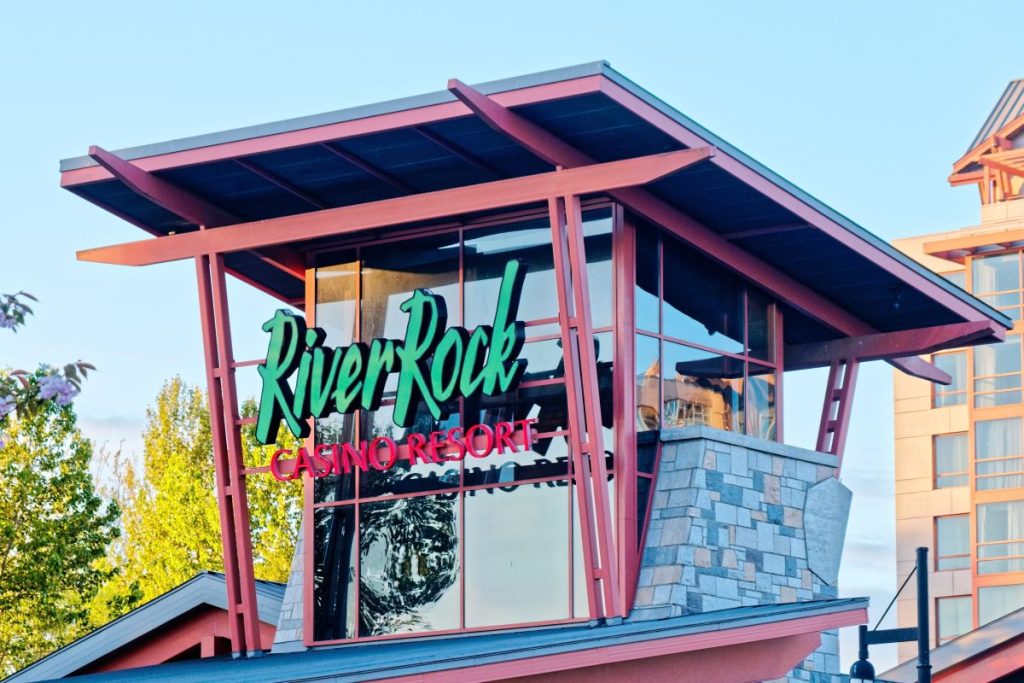
The Vancouver Island nation, whose name is the etymological root of the present-day name of the city of Nanaimo, has bought five separate B.C. casinos from Great Canadian Entertainment in the last two years. Those acquisitions range from Casino Nanaimo on its own historic lands to renowned Greater Vancouver properties like River Rock Casino Resort and Great Canadian Casino Vancouver.
Snuneymuxw Chief Mike Wyse and Ian Simpson, CEO of the First Nation’s economic development arm Petroglyph Development Group, said the acquisitions are a concerted effort to maximize the nation’s economic self-determination and long-term prosperity.
Simpson told Canadian Gaming Business last year that Snuneymuxw held “a strong desire” to move into casino ownership for decades before the Great Canadian opportunities emerged in 2024. Casino Nanaimo was the first priority on the agenda. As part of the deal, the land on which the now-First Nations casino is located, a part of the Snuneymuxw xwsol’lexwel village, was returned to the First Nation.
“It’s important to the nation for us to be reacquiring these sites by whatever means necessary,” Simpson said of that acquisition. “In this transaction, we’re paying market value for land that was taken from us, which is bittersweet, but we’re really happy to have it brought back to us.”
Image: Darryl Brooks / Shutterstock.com
Snuneymuxw help to set trend
Simpson also predicted at that time that more Indigenous nations could follow the lead of Snuneymuxw’s early acquisitions.
“Other nations in B.C. and even across Canada can follow that same path that we’ve gone down to acquire these gaming assets for the benefit of their own nations,” Simpson said. “I’m quite confident we’ll see that in the not-too-distant future.”
Since he made those comments, things have developed significantly.
Staying in B.C., coast-to-coast operator Great Canadian has sold facilities to three other local First Nations:
The casino operations at Hastings Racecourse & Casino to the Tsleil-Waututh Nation
As with Snuneymuxw, each of those First Nations cited a desire to strengthen their communities and their self-determination through gaming ventures, as well as to decrease their reliance on federal government funding.
Once they are all completed, Great Canadian will have sold eight of its nine B.C. casinos to various Indigenous groups, leaving the Chances Dawson Creek location in the remote northeastern municipality near the border with Alberta as the lone casino in the corporation’s once-stacked B.C. portfolio.
Alberta casinos change hands as iGaming arrives
Speaking of Alberta, things are changing there, too. As the province embraces commercial regulated iGaming, major First Nations casino deals have altered its brick-and-mortar gaming landscape.
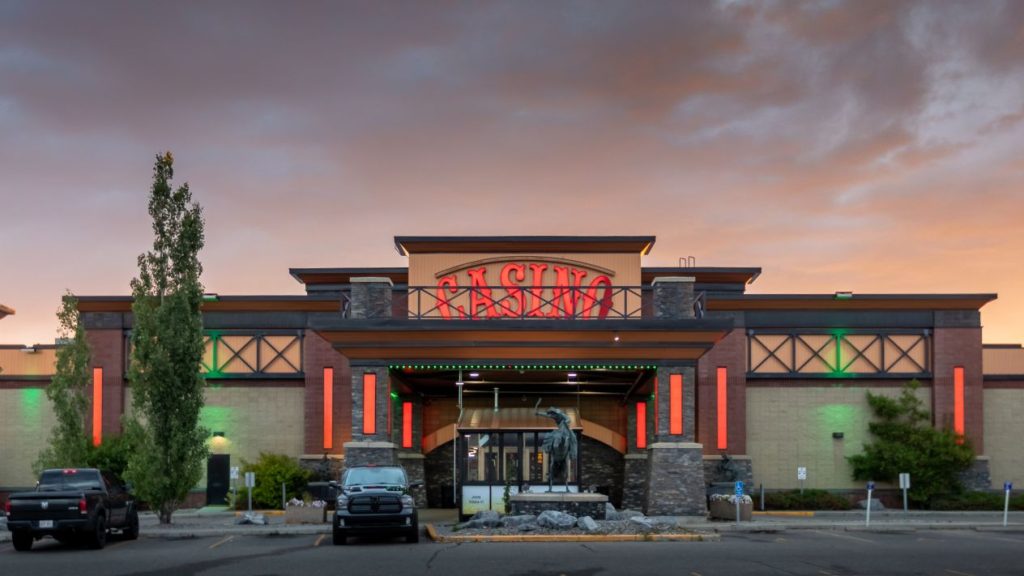
At the end of 2024, Indigenous Gaming Partners (IGP), a group of five rural Nova Scotia First Nations working with casino company Sonco Gaming, bought the casino operating assets of Edmonton-based PURECanadian Gaming, including:
PURECasino Edmonton
PURECasino Yellowhead
PURECasino Calgary
PURECasino Lethbridge
Then, in late March, IGP-owned PURE, now known as PURECasino Entertainment, acquired Alberta casino operator Gamehost Inc. In doing so, it took over a portfolio that includes Deerfoot Inn & Casino in southeast Calgary, Rivers Casino and Entertainment Centre in Fort McMurray and Great Northern Casino in Grand Prairie, as well as multiple hotels.
PURE Casino Calgary. Image: PURECasino Entertainment
Like Snuneymuxw, IGP is focused on developing a portfolio of First Nations casinos through strategic acquisitions, with a mission to create meaningful economic opportunities for Indigenous communities.
“The PURE acquisition has done what we set out to do,” IGP Chairman Michael Peters, CEO of member First Nation body Glooscap Ventures, told Canadian Gaming Business. “It’s created a new source of own-source revenue and added additional diversification for our partner First Nations.”
To that point, Peters’ Glooscap First Nation generated more than $600,000 in six months between acquiring the initial slate of PURE Canadian Gaming casinos and the end of the 2024-25 fiscal year, money that the nation put towards community and infrastructure services like housing and healthcare.
“The first year has been focused on integration and stability,” Peters added. “We’re now starting to see the value of scale. Bringing multiple properties together gives us a stronger platform for disciplined growth.”
As well as brick-and-mortar First Nations casino developments, new digital opportunities have emerged in Alberta.
Previously limited to in-person activities, the opening of the province’s regulated iGaming market on July 13 has offered Indigenous operators the chance to expand their horizons into online and mobile gaming. PURE has registered to offer a digital Pure Casino brand provincewide, and River Cree Resort and Casino will also offer a licensed online platform.
A new chapter for First Nations gaming
Now, with five B.C. casinos and seven Alberta casinos, respectively, Snuneymuxw and PURE Casino Entertainment have quickly become two of the largest First Nations casino operators in Canada. They are the headliners of this developing story, but other characters may well emerge in the coming months and years.
“First Nations from coast to coast are extremely well-positioned to enter into the gaming industry,” Anthony Novac, President of IGP partner Sonco Gaming, told Canadian Gaming Business last year. “There’s interest, there’s access to capital, there’s expertise. Gaming opportunities are attractive, and they’re also viable.”
Peters added that the heart of the matter is that First Nations are moving beyond participation in gaming and into outright ownership.
“Ownership changes the conversation,” Peters said. “It creates long-term revenue, provides more influence over decision-making, and allows for more room to align business goals with community priorities. First Nations have a long history of being involved in gaming and have operated casinos successfully. What we are seeing now is an expansion of those opportunities beyond reserve lands and into broader commercial markets.
“Gaming is part of a larger economic story. Indigenous communities increasingly have the governance capacity, the capital partnerships and the strategic experience to lead major transactions. That is good for our communities, and it is also good for the industry as a whole.”
As federal lawmakers continue to debate the idea of strengthening and codifying First Nations’ jurisdiction over gambling on their lands via the proposedAct to Amend the Criminal Code and the Indian Act, forward-thinking groups like Snuneymuxw First Nation and IGP’s PURE are charting a course for others to follow and writing the next chapter for First Nations casinos and communities.
To stay updated onall things Canadian gaming, why not sign up for our weekly Canadian Gaming Business newsletter, sent directly to your inbox every Friday?
SBC Summit2026will examine how operators can craft smoother, smarter and more engaging experiences for online casino players through its dedicatediGaming Product & Design track.
Taking place on Wednesday, Sept. 30, on the Tech & Innovation Stage, the track will bring together leading casino operators, game developers and technology experts to explore what makes a casino product stand out in an increasingly competitive market.
Across the sessions, delegates will follow the player journey from first registration through to long-term retention, examining how smarter onboarding, AI-powered game design, seamless cross-platform experiences and evolving loyalty strategies can improve both player engagement and commercial performance.
“Casino players judge a product by how simple, intuitive and entertaining it feels,” said SBC Founder and CEO Rasmus Sojmark. “They do not see the compliance systems, data infrastructure or commercial decisions operating behind the experience, but each of those elements influences whether players register, continue playing and remain loyal to a brand.
“The iGaming Product & Design track will examine how those behind-the-scenes systems and decisions can work together to remove unnecessary friction, support more informed product development and create casino experiences that deliver genuine long-term value for both players and operators.”
With the sign-up process remaining one of the biggest points of player drop-off, the session will examine whether invisible KYC can deliver a faster, smoother onboarding experience without weakening compliance standards. Panellists Elen Barber (Managing Director – Online, SkyCity), Matteo Iannucci (Business Dev Europe, GeoComply) and Giorgi Tsamalaidze (CLO, Random Systems Georgia) will break down the technology driving onboarding innovation and whether it can truly satisfy the needs of players, operators and regulators
Attention will then shift to how behavioural data and player psychology are reshaping game design in the panel ‘The Art & Science of Game Design: UX, Data & Player Psychology‘. Experts Ivan Korkin (Head of Account Management, Kanggiten), Tim Poole (Editor, Global Gaming Insider) and Marko Žulj (CEO & Co-Founder, Koom Games) will examine how using AI to interpret player signals can inform personalized experiences, while asking where better game design ends, and manipulation begins.
Discussions will then focus on how operators can deliver a more unified experience across platforms in the panel ‘Cross-Platform Consistency: Designing Seamless Mobile, Web & App Experiences’. David Evans (Chief Product Officer, Buzz Bingo), William Hansen (Sales Team Lead, Xtremepush), Alex Kozachenko (CEO, Turbo Stars), Ivan Ochoa (Board Member, Grupo GELSA) and Francesco Postiglione (CEO, Casumo) will examine how shared data, consistent design and joined-up product decisions can reduce friction across the customer journey.
The track will also explore how gamification and social-first product design are reshaping player engagement in ‘Gamification, Gen Z and the Rise of Social Play‘. Andrés Blanco (Managing Director and Chief Product Officer, Gamanza Engage), Brett Calapp (CEO and Co-Founder, Turnt Gaming), Anthony Gaud (Chair, Regulated Esports and Video Game Committee, New Jersey), Tero Holopainen (Head of Product, Casino & Games, Coolbet) and Marion Ryan (Managing Director, Tombola) will examine how AI, adaptive UX, creator influence and community-driven entertainment are pushing operators beyond traditional casino formats, from crash games and live communities to rewards ecosystems and hybrid play.
The track will also look at how operators can cope with rising taxes, tariffs and running costs without losing players, and at the growing use of AI in product development and daily operations. Speakers will discuss how smarter loyalty strategies and AI tools that can plan and carry out complex tasks might change the way casino products are built and run.
What else is on tap at SBC Summit 2026?
SBC Summit attendees looking to build further on the conference discussion can also access two relevant Education+ sessions, designed to provide practical, expert-led learning that can be applied directly within their own businesses.
The Player Experience Academy will explore how gamification can strengthen engagement and loyalty while supporting responsible play. The Electronic Gaming Academy Masterclass will examine how modern player behaviour can inform stronger casino product decisions.
On the SBC Summit show floor, a dedicated iGaming & Casinozonewill bring together game studios, platform providers, live casino suppliers and player engagement specialists. Delegates can explore potential partners through the Casino Games Show Floor Tour. Operators and suppliers looking to connect can also take advantage of the conference’sSmart Connect feature, which arranges pre-qualified meetings between buyers and suppliers based on their business goals.
VIP Pass (€999; approx. C$1,600) – Enjoy full access to the conference, exhibition and networking program, plus complimentary food at the Food Festival and entry to all evening networking events.
SBC Summit delegates can also add the Education+ Upgrade to access the Electronic Gaming Academy Masterclass. To upgrade, email [email protected] or click here.
BetMGM CEO Adam Greenblatt said on Tuesday that the operator has hit the ground running in Alberta, helped by pre-existing customer relationships with MGM Resorts International.
“Our successful launch in Alberta represents another exciting opportunity for the business,” Greenblatt told investors and analysts on a Q2 earnings call on July 28. “While still very early days — we are only 14 days into it now — we are encouraged by the initial indicators.”
While BetMGM is new in Alberta, knowledge of the wider MGM gaming brand is not. Greenblatt’s comments suggest that BetMGM has already reaped the benefits of the fact that some Albertans have visited MGM properties at least on occasion before commercial iGaming arrived in the province.
“We note the value of our relationship with MGM Resorts,” the CEO said. “Nearly 10% of new players who signed up have a relationship with MGM, which speaks to the power of the brand, the relevance of our omni[channel] strategy and the sustainable benefit of our deep collaboration.”
BetMGM is MGM Resorts International’s only owned iGaming brand that is live in Alberta; while it fully owns the likes of the U.S.-facing Borgata online casino and the LeoVegas site that is operational in Ontario, neither of those brands is registered to do business in Alberta. BetMGM’s other parent Entain has a total of three sites online in Alberta, after its longtime grey-market platforms Sports Interaction and Party Casino transitioned to the new regulated market.
Speaking on MGM Resorts’ own earnings call the day after BetMGM’s, the parent company’s CEO Bill Hornbuckle added some more colour.
“We’re excited about our recent launch in Alberta, where early performance indicators reflect tangible benefits of our omnichannel presence,” said Hornbuckle. “I’d note that of the first 8,500 deposits we recorded in Alberta, almost 1,000 had prior relationships with the MGM.”
Online casino is BetMGM’s driving force
Greenblatt and other BetMGM executives have been saying for a long time that the dual-vertical Alberta launch is a big opportunity for the operator, which purports to be the third-largest in the U.S. by market share and last year claimed to be No. 1 in Ontario online casino share.
The CEO said on Tuesday’s call that around 70% of BetMGM’s gaming revenue comes from iCasino. In Ontario, where more than 80% of total iGaming handle and GGR come from online casino, that has served the operator well. BetMGM’s online casino product is underpinned by a suite of intellectual property content related to popular TV and movies, including:
On Tuesday, Greenblatt referenced another recent IP launch: A new range of Game of Thrones titles that he said were among the company’s most successful rollouts ever in Ontario’s market, and which will be extended to U.S. markets this summer. The operator also launched ‘Elvis Presley: Viva Las Records‘ and ‘Marilyn Monroe Slingo‘, the first of its Hollywood legends-inspired exclusive slots.
Greenblatt expects similar iCasino success in Alberta. BetMGM launched in the province with a portfolio of more than 4,000 online casino titles, including a selection of team- and league-branded games tailored to Albertans.
The CEO also noted that thanks to its MGM Resorts relationship, BetMGM can offer a unique live dealer casino experience tied to on-site MGM Live studios in its Las Vegas resorts. “We think that’s an area that we can build from,” he added. “It’s popular in our Ontario business, and we believe it will gain traction in Alberta.”
A BetMGM booth at SBC Summit Americas. Image: Anthony Upton / SBC
Alberta represents BetMGM’s ideal market
Greenblatt spoke after his company posted a Q2 business update that the CEO admitted showed that the quarter was “a little lighter than expected”, although he maintained that Q2 was a strong progression from Q1.
Across all of its markets, BetMGM’s net revenue was US$711m, up 3% year over year. Online casino net revenue was US$483m (up 8% YoY), in contrast to flat online sports betting net revenue of US$228m. BetMGM’s adjusted EBITDA was $74m, a 15% YoY decrease. Average monthly actives were also down, by 3%, to 875,000 in Q2.
However, across the first half of 2026, net gaming revenue per active online casino account was up 9% year over year and net gaming revenue per sports betting active was up 17%.
Greenblatt reiterated what he said on previous earnings calls; that BetMGM continues to focus on “our areas of strength and our highest-return opportunities”. A large part of that includes a focus on expanding into new multi-product markets like Alberta’s; those new market launches don’t come around often in North America. On the flip side, BetMGM has actively reduced its investment in lower-return sports betting-only markets.
“This strategy is working,” said Greenblatt. “We continue to see healthy player fundamentals and strong engagement across our core markets.”
Still, the modest quarter led BetMGM to a cautious stance on its guidance. Greenblatt said the company remains on track to deliver its FY 2026 guidance, but it will be at the lower end of the existing guidance ranges. BetMGM’s outlook calls for net revenue of US$2.9-$3.1bn and adjusted EBITDA of $300-$350m in FY 2026.
Greenblatt added that while BetMGM remains confident in delivering adjusted EBITDA of $500m in the coming years, the company now expects that will not happen by the end of 2027 as had been previously hoped.
Betty Canada continued its strong growth last quarter, and the company’s leadership aim to establish Betty Casino as the number one brand in Alberta’s new online casino market.
Slots-focused operator Betty reported on Tuesday that it more than doubled its net gaming revenue in Canada in Q2 compared to the same March 1 to June 30 period in 2025. Those gains came after it approximately tripled both its net revenue and its active player base from January to December 2025.
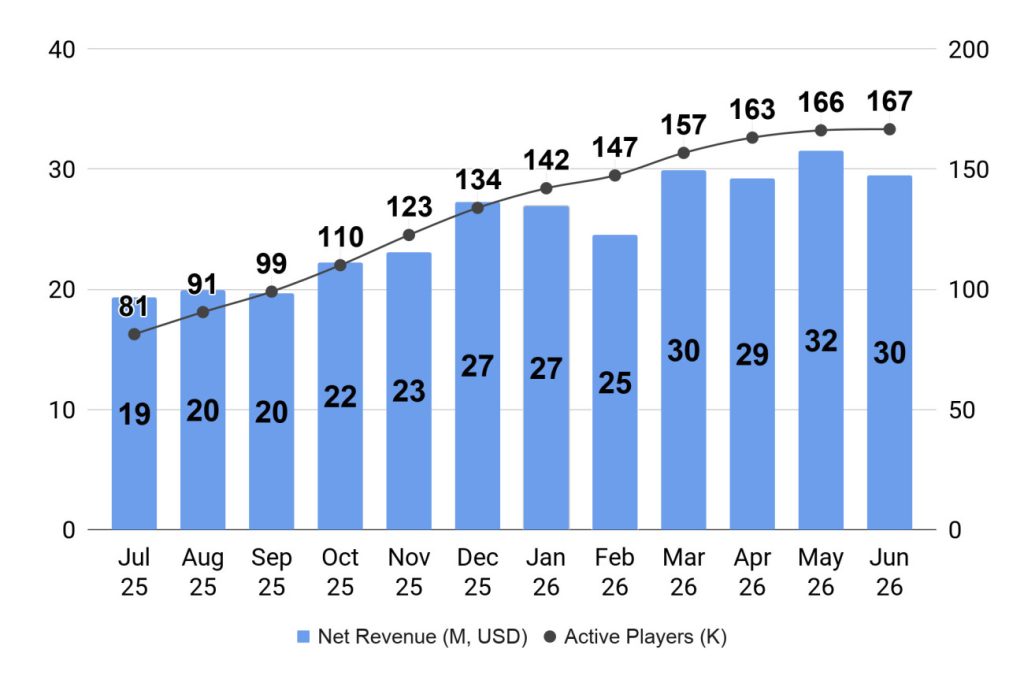
Betty Canada generated cumulative net revenue in the quarter of US$90.2m (approximately C$127m), which equated to 113% year-over-year growth. The Q2 2026 figure was also 11% ahead of Q1 2026. Its annualized run rate stood at US$378m (approximately C$533m) at the end of the quarter, with US$8.4m (C$11.8m) in profits.
Monthly net revenue hit a peak of over US$31m (approximately C$44m) in May, while EBITDA grew from approximately break-even at the beginning of the year to an all-time record of US$3.7m (around C$5.2m) in June.
Betty Casino’s player base peaked at 167,000 active accounts in Ontario in June, and player retention hit a record 61.2% in March. Net revenue per average active player was US$183 (C$258) as the company continued a “deliberate and expected” shift in player base mix toward casual players.
Betty said that the combination of sustained revenue growth, improving gross margins, and disciplined operating leverage has transformed the business into a consistently EBITDA-positive operation.
Betty Casino also said it launched multiple new features in Q2, including a Collections feature borrowed from social gaming apps that allows players to earn cards from their gameplay and try to complete sets of 10. It also ramped up its merchandise offerings, allowing users to pay directly with debit or credit cards rather than promotional Betty Coins for the first time.
The company said the merch range both enables a second revenue stream and sets a potential precedent for purchases without depositing “that could enable participation in other casino-adjacent mechanics such as purchasing bingo cards, raffle entries, lottery tickets or similar”.
Betty Casino expands horizons with day one Alberta launch
Until now, ‘Betty Canada’ has really meant ‘Betty Ontario’, as Canada’s first regulated iGaming province has been the Canadian branch of the business’s only operational market.
But Betty Casino was one of 22 operator websites to go live on day one of Alberta’s new commercial market, launching almost immediately after the clock struck midnight on July 13.
The Q2 update noted that the quarter was spent undergoing “intensive preparation” for Alberta market entry, including converting the license it received months ago from Alberta Gaming, Liquor, and Cannabis (AGLC) into a fully operational market presence.
The company established dedicated Alberta teams across live operations, business operations, customer service, and VIP account management. It also advertised significantly in the province, including more than one prominent billboard in the capital of Edmonton.
Spotted on the walk back to my downtown Edmonton hotel. @bettycasino is one of the 22 licensed operator websites that is now operational in Alberta on day one of the province's brand-new #iGaming market. pic.twitter.com/RBhZsXr8UX
The company said in its Q2 update this week that a pre-registration marketing campaign resulted in more than 10,000 player registrations in Alberta before it began taking bets on opening day in the province.
“Betty enters the Alberta market in a position of readiness, with infrastructure, teams, and a registered player base in place from day one,” said the operator. “Alberta is Betty’s most immediate growth opportunity.”
Betty Canada CEO Chavdar DimitrovtoldCanadian Gaming Business last year that the company is pushing to compete to be the No. 1 online casino brand by market share in Ontario, where it expanded into online bingo this year. On Tuesday, he voiced similarly lofty ambitions for Alberta.
“The teams prepared and executed the Alberta launch seamlessly,” Dimitrov wrote on LinkedIn. “Hats off to everyone at Betty that was part of this project. We are committed to securing the #1 position in the new market from the start!”
Ultimately, Betty Casino leaders said its Canadian operation is well-positioned to accelerate profitable growth with a significantly larger revenue base and expanding EBITDA.
“The company is building the financial profile expected of a large-scale company while retaining the flexibility to invest aggressively where returns justify additional capital expenditure,” added the operator.
Dimitrov told Canadian Gaming Business in February, after Betty Canada expanded its existing partnership with Toronto sports ownership conglomerate Maple Leaf Sports and Entertainment (MLSE), that Betty will explore similar local partnerships in Alberta as it gains more traction in the province and beyond. He also suggested that Betty may look to establish a brick-and-mortar presence in the Western Canada province.