Search
Choose a style
Dark
Light

IGP’s Pure Casino Entertainment approved to buy Gamehost’s Alberta casinos

Indigenous Gaming Partners (IGP) has been approved to buy multi-casino operator Gamehost, expanding its brick-and-mortar footprint in Alberta to seven casinos and two hotels.

The First Nations group already owns four land-based casinos in the province via its takeover of Pure Casino Entertainment last year. It announced in late March that it had agreed to acquire Gamehost, which owns and operates:

  • Deerfoot Inn & Casino in Calgary
  • Great Northern Casino in Grande Prairie
  • Rivers Casino and Entertainment Centre in Fort McMurray
  • The Service Plus Inns & Suites and Encore Suites by Service Plus hotels in Grande Prairie

IGP will take ownership of all of those facilities once a subsidiary of Pure buys all outstanding common shares of Gamehost for $13.65 in cash per share. Gamehost’s shareholders approved the transaction on June 11 at a special meeting, and the Court of King’s Bench of Alberta has now granted the final order authorizing the M&A deal.

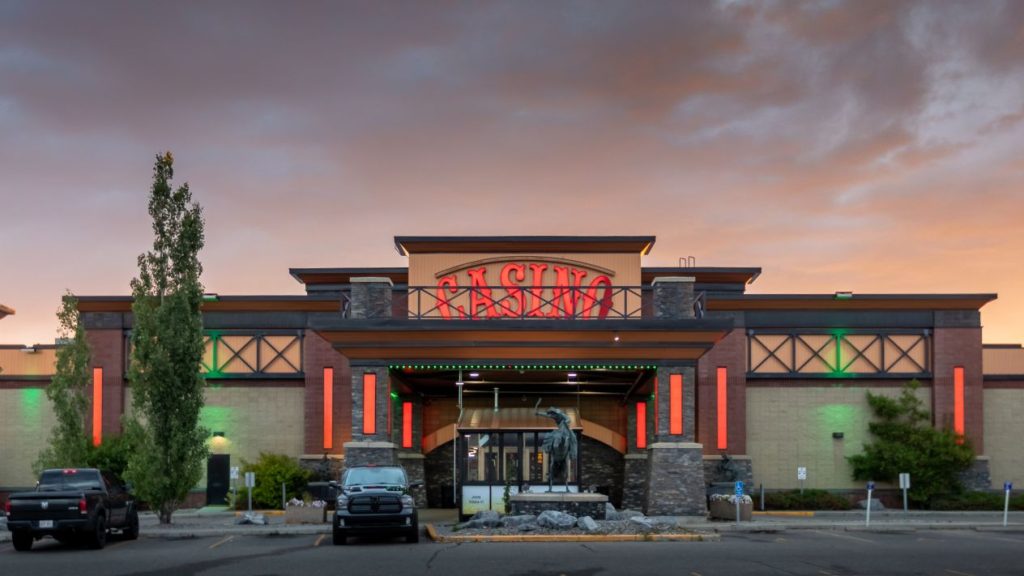
Image: Deerfoot Inn & Casino

While Pure will own the Gamehost casinos’ operating assets, VICI Properties Inc. will own the real estate through a sale-leaseback agreement, expanding the company’s own Canadian presence.

VICI owns a large North American casino real estate portfolio including Caesars Palace, the Venetian and the MGM Grand in Las Vegas, and has owned the real estate assets of IGP’s Pure-branded casinos since January 2023.

Pure readies Alberta iGaming brand

IGP’s acquisition of Gamehost is expected to close before the end of June.

That timeline would give IGP and Pure Casino Entertainment a portfolio of seven casinos in Alberta, just weeks before the province launches its commercial online gambling market. Online casino is expected to be a large proportion of Alberta’s iGaming by handle and revenue, similar to Ontario’s commercial online gambling market.

IGP wants a piece of the action.

The Indigenous gaming company, formed in 2024 as a partnership between five Nova Scotia-based First Nations and Sonco Gaming Inc., has applied through its Pure Casino Entertainment Ltd. Partnership operating entity to launch an online gambling arm.

Alberta’s iGaming market is set to open on July 13. As of the time of writing, Alberta Gaming, Liquor, and Cannabis lists 47 registered operators, including multiple provincial brick-and-mortar operators in Pure and River Cree Resort and Casino.

“We want to see as many land-based operators in Alberta participating in the online space [as possible],” said Alberta’s minister responsible for iGaming, Dale Nally, at SBC Summit Canada 2026 in Toronto last month. “… We are certainly encouraging land-based operators to participate in the space, and we also want to see First Nations in Alberta participating in the online gaming space.”

Pure Casino Entertainment and River Cree iGaming will compete with a long list of big-name North American and European online gambling brands in Alberta’s open market, including the likes of:

  • bet365
  • BetMGM
  • BetRivers
  • Caesars
  • DraftKings
  • FanDuel
  • PointsBet
  • theScore Bet

Pragmatic Play and Games Global dominate bet365’s list of Canada’s top online slots

As bet365 prepares to launch its online casino and sportsbook in Alberta’s new iGaming market this summer, the British operator has released its latest breakdown of which online slots are most popular with Canadian players.

Each month, the bet365 online casino report assesses more than 7,500 games across 20 jurisdictions to highlight some performance trends in its various operational markets worldwide. It measures slots’ popularity using an algorithm taking into account several metrics such as revenue, stakes, sessions and engagement.

bet365 looks at several key territories, including both the regulated Ontario market and bet365’s operations in the rest of Canada. Only slots are reviewed, not table games or live casino. May 2026 saw a debutant top the online slots charts in Ontario, while two new entries made their mark in the rest of Canada.

Pragmatic Play dominates Ontario online slots

In Ontario, bet365 reported that Pragmatic Play’s Big Bass Halloween 3 took first place in its very first month on the market in May.

The latest entry in the Big Bass series finished ahead of Games Global’s Area Link Phoenix Firestorm at No. 1, while the same developer’s Area Link Bank Boss fell eight places from first in April to ninth among Ontario online slots in May.

Big Bass Halloween was one of several Pragmatic Play online slots that were highly popular with bet365 players in Ontario last month. The supplier’s Gates of Olympus Super Scatter held its spot from April to complete the podium positions, Sugar Rush Super Scatter rose eight places to finish fourth, and Sugar Rush 1000 was eighth.

The exclusive bet365 High Flyer rounded out the top five bet365 online slots in Ontario in May, while 5 Lions Megaways — yet another Pragmatic Play title — was the biggest monthly climber, surging 22 places up to seventh.

Games Global takes 1, 2, 3 on bet365 Canada

Games Global’s Area Link Phoenix Firestorm may have had to settle for silver in Ontario in May, but it secured top spot in the rest of Canada, jumping from third on the bet365 casino platform.

That headlined a stellar month for the online slots supplier outside Ontario: its Amazing Link Zeus and Area Link Bank Boss finished in second and third in the province, respectively.

Pragmatic Play’s Bigger Bass Splash and Big Bass Vegas Double Down Deluxe ended May in fourth and fifth, respectively, after the latter of those two games jumped 23 positions.

Two new entries made it into the top 10: Pragmatic’s Sweet Bonanza 2500 in seventh and Relax Gaming’s Temple Tumble at No. 9.

bet365 ready for regulated Alberta iGaming

bet365 has operated across Canada for years. A longtime grey-market operator, it transitioned to regulated online gambling in Ontario when that province became the first to begin licensing and taxing iGaming in April 2022.

The company is currently undergoing a similar process in Alberta, which is launching its own regulated iGaming market on July 13. As in Ontario, bet365 will continue offering both casino and sports betting under Alberta’s new provincial regulations.

“When we enter any new market, our priority is ensuring that we enter the right way, fully aligned with provincial/state requirements,” bet365 Assistant Vice President of Business Development and Government Affairs Andrew Moreno told Canadian Gaming Business last month. “Having already launched in Ontario and being one of the top betting platforms, we have a strong foundation in the Canadian regulatory landscape.”

Unlike Ontario, which offered operators a grace period to move from unregulated to licensed gaming, Alberta requires all registrants to cease any unregulated activity when the market launches on July 13, as a condition of their approval. Some exceptions may be made in certain circumstances, said Alberta Gaming, Liquor, and Cannabis (AGLC).

As of June 12, bet365 is one of around 50 iGaming brands approved to do business in Alberta.

Alberta iGaming launch: evoke’s 888, PENN’s Hollywood Casino join approved list

Last updated June 15, 2026

The commercial Alberta iGaming market is due to launch on July 13, and operators are busy preparing to enter Canada’s second regulated online gambling province.

Dozens of companies will launch online sports betting or online casino in the province to compete with the government-run Play Alberta platform, in a similar market model to the one Ontario has operated for the last four years.

Alberta Gaming, Liquor and Cannabis (AGLC), the operator of Play Alberta and the soon-to-open market’s regulator, laid out its initial iGaming regulations and other details including tax rate in January 2026.

Which Alberta online casinos and sportsbooks are licensed?

Alberta Minister Dale Nally said at SBC Summit Canada on May 20 that he believes as many as 70 operator sites have expressed interest in being in the market.

As of June 15, 2026, AGLC lists a total of 47 sites as registered to offer Alberta iGaming. It’s worth noting that this doesn’t strictly equate to 47 separate operators, as several of the listed brands share a parent company.

The list of the roughly operators who will run those sites includes numerous big-brand giants of U.S. and Canadian sports betting and iCasino, European operators looking to enter the fray, smaller Ontario market players, multiple First Nations-operated brick-and-mortar casinos, and more.

The latest update on Friday, June 15, included changes such as adding evoke plc’s 888 brand, a longtime Ontario licensee, and clarifying that PENN Entertainment will offer its Hollywood Casino app as well as theScore Bet.

Here’s the full list of which operators are registered, as of the latest update:

  • Apollo Entertainment (seven brands: Captain Cooks Casino, Casino Classic, Golden Tiger Casino, Grand Mondial Casino, Luxury Casino, Yukon Gold Casino, and Zodiac Casino)
  • Bally’s (two brands: Bally Bet and Monopoly Casino & Sportsbook)
  • bet365
  • Bet99
  • BetMGM
  • BetNova
  • Betty
  • BetVictor
  • Boyd Gaming-owned Pala Interactive’s Stardust Casino
  • Caesars (three platforms: Caesars Sportsbook & Casino, Caesars Palace Online Casino, and Horseshoe Online Casino)
  • Casino Time
  • DAZN Bet
  • Delta Casino
  • DraftKings (two brands: DraftKings Sportsbook and Casino and Golden Nugget Online Gaming)
  • Entain (two brands: Sports Interaction and PartyCasino)
  • Evoke plc’s 888 Casino
  • FanDuel
  • Lucky Days
  • PENN Entertainment (three platforms:theScore Bet,theScore Casino, and Hollywood Casino)
  • AGLC-operated Play Alberta
  • Pure Casino Entertainment
  • River Cree iGaming
  • Rush Street Interactive’s BetRivers
  • PointsBet Canada
  • PowerPlay
  • SkillOnNet (four brands: Mega Casino, PlayOjo, SlotsMagic, and SpinGenie)
  • Soft2Bet’s ToonieBet
  • Super Group (six brands: Betway, Grizzly’s Quest, Jackpot City, Royal Vegas, Ruby Fortune, and Spin Casino)
  • Vegas Club Casino

Canadian Gaming Business will keep the above list updated as more operators confirm their plans or AGLC provides updates.

Calgary's downtown at night with the Scotiabank Saddledome in the foreground. The dome is home to the Calgary Flames NHL team
Calgary, Alberta. Image: Gelu Popa / Shutterstock.com

Which gaming suppliers are approved to work in Alberta?

As well as the 40+ operators, more than 50 gaming content and technology suppliers have been approved to work with Alberta operators, including (but by no means limited to):

What are iGaming operators saying about Alberta?

Since the province confirmed the July 13 launch date at the end of March, executives at numerous gaming companies have spoken publicly about their hopes and their Alberta iGaming launch plans on earnings calls:

BetRivers to target online casino players

Rush Street Interactive (RSI) Chief Executive Officer Richard Schwartz said on an April 28 earnings call that Alberta iGaming represents a significant expansion opportunity for the online casino-focused BetRivers operator. He added that RSI will take a “deliberate, measured approach to market entry”, focused on sustainability.

The company does not expect Alberta to be profitable in 2027, but Schwartz suggested the new market will add “some modest revenue” in the back half of the year. RSI has already baked the projected impact of its Alberta launch into its increased revenue and EBITDA guidance for the full year 2026.

Schwartz added that RSI expects to begin investing in Alberta-related marketing and brand-building in the coming weeks, and that the company is planning “significant investments” in the province.

Rush Street Interactive CEO Richard Schwartz speaks at an SBC event
RSI CEO Richard Schwartz. Image: SBC

Meanwhile, RSI President and Chief Financial Officer Kyle Sauers added on the call that RSI is expecting Alberta iGaming to be very competitive, given the number of interested operators and existing grey-market brands. But the company is confident that its position in Ontario sets it up well for success in Alberta.

“Ontario has been a great market for us, we’ve grown really nicely,” Sauers added. “We’re taking share there, but we’re still relatively small in the scope of the entire market. That’s probably a good target for us early on. I think one of the benefits for us, even though we’re growing much faster than the industry, is that there are a lot of players who still don’t know who BetRivers is in North America. There’s a lot of opportunity for us to go after players who maybe haven’t played iCasino before.”

Caesars to launch triple-pronged attack

Caesars will launch three online gaming brands in AlbertaCaesars Palace Online CasinoCaesars Sportsbook & Casino and Horseshoe Online Casino. It already offers all three in Ontario and four U.S. states. Caesars Palace and Horseshoe are standalone iCasino apps.

Caesars Digital President Eric Hession said on an April 28 earnings call that Caesars’ mobile products are in a much better place now than they were when Ontario launched four years ago. Throw in the fact that all three will launch at once in Alberta, unlike the staggered rollout that occurred in Ontario, and Hession suggested that the company knows exactly how it wants to attack Alberta iGaming.

“It’s a good opportunity,” Hession said. “[Alberta] actually has a fairly high average wealth per person, but it is on the smaller side in terms of the size of the province. That said, it’s both sports and iCasino, so we’re very optimistic that it’ll be a great market.

“I would say, in terms of our performance in Ontario, it’s kind of been middle down the road. Our app is significantly improved from when it was when we launched in Ontario. We’ll be putting a much more comprehensive launch plan together that will really go after the sports as well as the casino market, and we’ll launch with the Horseshoe and Caesars Palace brands. It’ll be a much more significant plan.”

Caesars Digital President Eric Hession. Image: SBC

theScore Bet expecting more Day 1 competition than Ontario

PENN Entertainment will extend theScore Bet to a second province, taking advantage of the fact that the brand is already well-known in Alberta (and elsewhere) as a sports media app.

“We feel really good about our launch there,” PENN Chief Technology Officer Aaron LaBerge said on an earnings call on April 23. “Obviously, theScore brand in Canada is very strong. It’s the number one media sports brand in market.”

theScore Bet has received official approval to launch Alberta iGaming and LaBerge said PENN has “a full-scale marketing plan” in the works that will start by July. PENN CEO Jay Snowden divulged that PENN is budgeting for a loss of roughly C$27m in 2026 directly attributable to the Alberta launch.

Ontario is PENN Interactive’s strongest market in North America in terms of market share and contribution margin, said Snowden, who said he expects similar results in Alberta.

LaBerge did stress, though, that he believes that Alberta iGaming will be significantly more competitive on day one of the market than Ontario was. Around a dozen operators went live on the April 4, 2022, launch date in Ontario.

“When we launched in Ontario, it was a lot less competitive,” said the CTO. “There are a lot more applicants and people in market for Alberta. Of course, leaning on the theScore brand is going to help us break through some of that noise. We’re going to leverage all of our assets and we’re expecting a very successful launch.”

In addition, PENN has also registered to launch Hollywood Casino in Alberta, the online casino brand that uses the name of one of PENN’s U.S. brick-and-mortar casino groups. Hollywood Casino launched in Ontario earlier in 2026, something that PENN Interactive Vice President of Operations Jason Birney told Canadian Gaming Business last year could be on the cards.

Super Group CEO Neal Menashe
Super Group CEO Neal Menashe. Image: SBC

Super Group preparing six-brand rollout

Super Group, the multi-brand operator that has a longstanding grey market presence in Alberta, is gearing up to launch six distinct brands in the Western Canada province, including the Betway sportsbook and casino and iCasino platforms such as Jackpot City and Spin.

“It’s very different, Alberta regulation, to Ontario,” said CEO Neal Menashe on an earnings call on May 12. “Ontario was what we call the ‘big bang’ approach. You had to move all your existing customers over to the new software on day one before you could even market the new software.

“In Alberta, you can market the new software first and have a period of three months or so to be able to move your existing customers over. So that, for us, is a massive, massive difference. We tried for that in Ontario but it didn’t happen at the time, but now it can happen in Alberta.”

To stay updated on Alberta iGaming and all things Canadian gambling, why not sign up for our weekly Canadian Gaming Business newsletter, sent directly to your inbox every Friday?

theScore Bet to sponsor CFL app and fantasy product in Ontario and Alberta

theScore Bet has secured another Canadian sports sponsorship deal, this time with the Canadian Football League (CFL).

The sportsbook and casino recently signed a deal with the CFL to present the league’s all-new CFL Fantasy game, a free-to-play offering that allows fans to draft rosters of CFL stars and compete in season-long contests in public or private leagues.

theScore Bet will also be the presenting sponsor of the CFL App, which will launch later this year with cross-branding, custom promotions and, notably, a betting odds integration that allows users of the CFL app (as well as theScore media app) to view and engage with the operator’s CFL betting markets and odds.

CFL deal gives theScore Bet more Alberta penetration

The CFL noted in a press release that its partnership with theScore Bet will face not only Ontario, where the historical Canadian sports brand has offered online sports betting and casino for four years, but also Alberta.

Alberta is due to become the second province to launch commercial regulated iGaming on July 13 and theScore’s American parent company, PENN Entertainment, has high hopes for the province.

“We feel really good about our launch there,” said PENN Chief Technology Officer Aaron LaBerge on a company earnings call in late April, shortly after theScore Bet was approved for an operator’s license in Alberta.

“Obviously, theScore brand in Canada is very strong. It’s the number one media sports brand in market … We enjoy a very nice market share in Ontario today. It’s a big part of our gaming business, and we expect to see similar market share [in Alberta] based on the investments we’re going to make.”

Alberta has a fervent CFL fandom and is one of just two provinces (along with Ontario) that have more than one team in the league: the Calgary Stampeders and the Edmonton Elks.

theScore adds to Canadian sports partners

The CFL adds to theScore Bet’s list of sports partners in Canada.

Most notably, the operator has a 10-year exclusive deal with the Toronto Blue Jays that has yielded broadcast visibility, signage at Toronto’s Rogers Centre, and exclusive games such as Blue Jays Blackjack on theScore Bet and theScore Casino apps.

Image: Toronto Blue Jays

theScore Bet also has a commercial agreement with Golf Canada that makes it the organization’s exclusive official gaming partner. The partnership includes sponsorship of Canada’s marquee national golf championships, the RBC Canadian Open and CPKC Women’s Open.

CFL also renews with FanDuel

Meanwhile, the CFL has also extended its existing collaboration with FanDuel Canada, a partnership that first began back in 2023. The league has also enlisted other Canadian sports betting partners, including Soft2Bet’s ToonieBet brand.

Last month, sports streaming giant DAZN announced that it will become the exclusive Canadian broadcaster of CFL Saturday Night Football games starting in 2027, and will stream every CFL game in its worldwide markets outside North America.

Incidentally, DAZN Bet, the company’s online sports betting arm, has been approved to launch iGaming in both Ontario and Alberta.

Alberta regulator lays out rules for how casinos can promote iGaming

As multiple Alberta casinos prepare to expand into iGaming when the province’s market opens next month, the province’s regulator has clarified where it stands on brick-and-mortar casinos advertising online gambling.

In an AGLC bulletin issued on Tuesday, June 9, Alberta Gaming, Liquor, and Cannabis (AGLC) confirmed that it has updated its Casino Terms & Conditions and Operating Guidelines (CTCOG) to state that casino facility licensees “must not advertise or offer inducements on behalf of a registered iGaming operator”.

In essence, that serves as confirmation that land-based casinos in the province will be held to the same standards as commercial iGaming operators who enter the new market, which is due to launch on July 13.

Alberta borrows Ontario’s approach

AGLC’s iGaming regulations ban advertising for inducements such as sign-up bonuses, no-sweat bets, and other promotional credits, unless they are advertised on an operator’s site or sent directly to players who have opted in to receive such marketing.

That rule, which was borrowed from Ontario’s four-year-old online gambling market, means that bettors must visit an operator’s site or app if they want to see any sign-up offers or promotions, unless they opt in for further promotional and marketing communications.

The AGLC standards update also now stipulates that casinos will not be able to tie the province’s ‘Winner’s Edge‘ retail casino rewards program to separate sportsbook operations or iGaming offers or promotions.

Welcome to Alberta sign, the kind that might greet gaming operators when the enter the upcoming market
Image: oasisamuel / Shutterstock.com

Alberta wants land-based casinos to dive into iGaming

Currently, AGLC’s own Play Alberta is the only government-approved online gambling site in the province. Land-based casinos can offer slots, table games, and more in their brick-and-mortar venues through agreements with AGLC, but iGaming is strictly AGLC’s own domain.

Not for much longer, as the province is opening its doors to dozens of commercial online casinos and sportsbooks on July 13.

Alberta’s iGaming regulations allow for brick-and-mortar casinos to partner with registered iGaming operators on things such as retail sportsbooks at their land-based locations. In those instances, casino licensees will get to keep 75% of the net gaming revenue from their sportsbook operations, and AGLC confirmed to Canadian Gaming Business that the province’s regular advertising policies for casinos will apply to partner retail sportsbooks.

Alberta’s minister responsible for iGaming, Dale Nally, said recently that he hopes to see “as many land-based operators in Alberta participating in the online space [as possible].” However, he stressed that Alberta gaming authorities did not want to mandate that online casinos must be tied to a land-based casino through a revenue-sharing partnership.

That kind of approach is utilized in some U.S. states — particularly where tribal gaming interests are prominent, as is the case in Alberta — but does not marry well with Alberta’s open-market iGaming model. More than 40 Alberta iGaming operator sites are registered with AGLC already.

Alberta minister Dale Nally. Image: SBC

“It’s up to [land-based casinos] to decide how they participate,” Nally said during a fireside chat at SBC Summit Canada 2026 in Toronto last month. “Do they have a partnership with an online casino? Do they form their own that will sort of evolve organically?

“Our approach will always be individual personal choice and individual responsibility, and that is best defined by an open market, and you don’t have an open market if you force online operators to tie themselves to land-based casinos. So we didn’t want to go that approach.

“But we are certainly encouraging land-based operators to participate in the space, and we also want to see First Nations in Alberta participating in the online gaming space.”

Multiple First Nations casinos register for iGaming

Some First Nations-run casinos have already signaled their intent.

Alongside big names of online gambling like FanDuel, DraftKings, bet365, BetMGM, and theScore Bet, multiple Indigenous-owned brick-and-mortar casino operators in Alberta have registered to offer their own iGaming brands.

Pure Casino Entertainment, which owns four Alberta casinos and also recently announced a deal to acquire Gamehost Inc.‘s portfolio of three casinos and multiple hotels, is listed as an iGaming licensee. Another approved operator is River Cree iGaming, the upcoming online gambling arm of River Cree Resort and Casino in the Greater Edmonton Area.

Image: SBC

Pure has begun sending out broad-spectrum email blasts in recent weeks to tease the upcoming launch of its iGaming arm.

Casinos can send out marketing like this for their online gambling operations; they just can’t bombard existing or would-be users with direct incentives to gamble like sign-up offers.

Alberta continues to tweak gaming rules

The June 9 casino advertising update is not the first time AGLC has tweaked its regulations in the lead-up to Alberta’s iGaming launch.

In February, AGLC updated its casino rules to stipulate that all brick-and-mortar casinos must be able to electronically connect to the province’s centralized self-exclusion platform. It also announced in March that it will not allow election betting or wagering on other political events.

In March, AGLC made a further substantial update to its casino operating guidelines, laying out numerous rules for how land-based venues can offer retail sports betting in Alberta, including capping an individual in-person sports or event bet at a maximum of $1,000.

SBC Awards Americas 2026 honour BetMGM, Nuvei, Soft2Bet’s ToonieBet

BetMGM, Betano parent Kaizen Gaming, Sportradar, and Soft2Bet were the standout performers at SBC Awards Americas 2026, as all four companies picked up two awards at Wednesday night’s ceremony at Pier Sixty Six in Fort Lauderdale, Florida.

The ceremony, part of SBC Summit Americas 2026, celebrated excellence across North America and Latin America, recognizing the operators, affiliates, suppliers, and individuals driving innovation across the betting and gaming industry. Broadcaster and TV personality Andrea Ocampo hosted the ceremony, where 34 accolades were handed out in front of an audience of 600 industry leaders.

“One of the most rewarding parts of these ceremonies is having the opportunity to recognize the people and companies making a real impact,” said SBC Founder and CEO Rasmus Sojmark. “The standard of this year’s entries was incredibly high, which makes these achievements even more impressive.”

Hard Rock and FanDuel named operators of the year

In the North American operator categories, FanDuel Sportsbook retained the Sportsbook Operator of the Year title that it won in 2025, while Hard Rock Bet Casino (soon to arrive in Ontario) was named Casino Operator of the Year.

Meanwhile, BetMGM and Sportradar each won a pair of awards. BetMGM was commended as Employer of the Year and also picked up the Marketing & Sponsorship Campaign of the Year title, while Sportradar won both the Sports Data Product and Live Betting & Gaming Product awards for a second consecutive year.

In Latin America, Kaizen Gaming enjoyed a dominant night again, retaining both Sportsbook Operator of the Year – Latin America and Casino Operator of the Year – Latin America.

Altenar named best sportsbook supplier

Among the supplier categories, Altenar was named Sportsbook Supplier of the Year.

White Hat Studios secured the Casino Supplier of the Year – North American title, while Pragmatic Play retained the Latin American version of that award. Meanwhile, Spribe’s Aviator claimed the coveted Game of the Year award.

Elsewhere on the supplier side:

  • Digitain won Platform Provider of the Year
  • Xtremepush successfully defended its Acquisition & Retention Partner title
  • OpenBet secured Compliance Solution of the Year
  • BetConstruct won Land-Based Betting & Gaming Product

Betsson and Rush Street win social awards

Two other Ontario-licensed operators were recognized with awards recognizing their commitment to social governance.

Honouring the industry’s dedication to safer gambling, Betsson Group was awarded the Socially Responsible Initiative of the Year award, while BetRivers parent Rush Street Interactive was named Social Gaming Operator of the Year.

In the affiliate categories, Betting Hero is the Affiliate of the Year – North America and Flashscore won the award in Latin America. On the payments front, Nuvei claimed Payment Solution of the Year – Latin America, with the North American edition going to WorldPay.

Soft2Bet’s innovation recognized

Innovation was also celebrated across both regions, with Soft2Bet winning Industry Innovation of the Year – North America and INSIGHTPLAY.AI taking the Latin American equivalent.

Soft2Bet also won an award for its Canadian-facing brand ToonieBet, which was given the prestigious Rising Star of the Year prize.

SBC Awards Americas also spotlighted emerging talent in online sports betting and casino specifically, as Octoplay won Rising Star in Casino and OpticOdds picked up the award for Rising Star in Sports Betting.

MGM Resorts VP Shrestha named Leader of the Year

The individual categories highlighted some of the industry’s leading figures.

MGM Resorts International VP of Online Gaming Vik Shrestha is this year’s Leader of the Year – North America award, and Pay4Fun CEO Leonardo Baptista was named Leader of the Year – Latin America.

In the Tribal categories, Choctaw Casinos & Resorts was named Tribal Gaming Operator of the Year and Heidi Grant, Senior Executive Officer for the Division of Commerce of the Choctaw Nation of Oklahoma, secured the Tribal Leader of the Year award.

“Congratulations to all of our winners and finalists on their well-deserved success,” added Sojmark. “It was a fantastic evening and a fitting celebration of the talent, innovation, and ambition that exists across North and Latin America.

“I’d like to congratulate all of our winners once again and extend my thanks to Betsson Group, our Headline Sponsor, as well as all of our supporting sponsors for helping make this year’s SBC Awards Americas possible.”

Here’s the full list of SBC Awards Americas 2026 winners.

The awards ceremony came on the night of Day 1 at SBC Summit Americas 2026, which you can recap on SBC Americas.

SBC Americas will also keep you up to date with what happens on Thursday in its rolling live coverage of Day 2.

How are Canadian sportsbooks capitalizing on 2026 FIFA World Cup betting?

This summer is primed to be one of the biggest sports betting events in history, with a flurry of FIFA World Cup betting expected across Canada.

With 104 games across 39 days and three countries, betting-friendly kickoff times in North America, 13 matches hosted in Toronto or Vancouver, and widespread interest from coast to coast in a multicultural country, Canadian sportsbooks are preparing for one of the busiest periods they’ve ever seen. That’s particularly true in Ontario’s maturing regulated market, where dozens of online sportsbooks compete for customers’ time and money.

Gambling market data firm H2 Gambling Capital estimates that more than $400m will be bet on FIFA World Cup 2026 via regulated sportsbooks in Canada.

Canadian Gaming Business reached out to licensed sportsbooks in Ontario, as well as the British Columbia Lottery Corporation (BCLC), to find out more about their plans ahead of the World Cup kickoff on June 11, as well as some insights into what they’re seeing from bettors so far.


Team Canada is Caesars’ biggest potential liability

Caesars Sportsbook is offering more than 10 times the number of futures markets that it offered for the last men’s FIFA World Cup in 2022, the biggest menu it has ever offered for a soccer event. It also launched several new engagement features in the lead-up to the tournament, including:

  • Spin2Win — A daily three-reel, three-spin slot that offers players the chance to lock selections of specific World Cup outcomes to earn rewards like bonus bets or profit boosts
  • Parlay Your Bracket — A bracket game that lets users map out the entire tournament from the group stage all the way to the final
  • Flex Parlay — A new parlay option that pays out as a win even if one or two picks lose

Caesars is also offering tournament Same Game Parlays that allow fans to build customized bets across markets like tournament winner, which team(s) will reach the final and who will win their group.

“That flexibility is something we expect will really drive engagement throughout the World Cup,” Caesars Sportsbook’s Head of Soccer Mark Bickerdike told Canadian Gaming Business. “We’ve seen significant parlay activity, especially on favourites to win their respective groups, so we’ll certainly be rooting for one or two early upsets.”

The most popular markets so far on Caesars have been major futures such as the outright winner. While France and Spain are rated as the favourites, Portugal has been the most popular selection in Ontario in terms of total wagers placed, while England has attracted the highest overall handle.

“Interestingly, Ontarians are not showing strong patriotic bias, with Canada only the fifth most wagered-on team,” added Bickerdike. “However, they do represent our largest potential liability in the Ontario market. Of particular interest locally are our player-focused futures markets. For example, Jonathan David’s total tournament goals line is currently set at 1.5, giving Ontarian customers a clear opportunity to back one of their most prominent national players.”

Image: ACHPF / Shutterstock.com

BetMGM: 16X more bets on Canada’s opener than any other game

BetMGM Chief Revenue Officer Matt Prevost told Canadian Gaming Business that Canada’s opening game against Bosnia and Herzegovina in Toronto is by far the most bet-on game on BetMGM Sportsbook in Ontario.

That match on Friday, June 12, is one of the most popular FIFA World Cup betting markets of any kind on the platform, along with the tournament winner futures market. As of the time of writing, there had been 16 times more bets on the Canada opener than on any other individual game.

“BetMGM is built around delivering legendary moments, and there is no bigger stage in soccer than the World Cup,” added Prevost. “With Canada hosting matches on home soil, this is a defining moment for the sport and a unique opportunity for Canadian fans to connect directly to the action.”

The Canadianism is strong with BetMGM Ontario bettors; the sportsbook noted that Canada is the ninth most-picked team to win the tournament, there are twice as many wagers on Canada than any other team to win Group B, and there have been 10 times more bets on Canada’s moneyline than on any other team to win their first match of the tournament.

Meanwhile, Portugal are also a favourite of BetMGM bettors in the province: Cristiano Ronaldo’s team have both the most wagers and the highest betting handle on them to lift the trophy.

BetMGM also has a range of special offers and markets, including:

  • Goal Rush — Bettors who place a $5 bet can win a share of $100,000 in bonus bets for every goal scored by Canada in the World Cup
  • GoalFest — Users have a chance to win $50,000 through the BetMGM GoalFest Sweepstakes by participating in BetMGM’s virtual penalty kick activation in downtown Toronto near the official FIFA Fan Festival site

BCLC hosting Vancouver pop-ups and watchalongs

Over on the west coast, BCLC has teamed up with the Vancouver pub The Butcher & Bullock to host a series of PROLINE House Pop-Ups.

The events will offer free activations for residents and visitors, a 17-foot sportsbook screen delivering every match, live PROLINE sportsbook betting terminals, and prize giveaways. GameSense Advisors will be on-site to provide healthy play support and education.

Image: AlbertArt / Shutterstock.com

Online, the lottery corporation’s PlayNow iGaming platform is giving away a total of $250,000 in prizes, with five weekly $20,000 draws and a $150,000 grand prize, with only a $5 bet required to enter. Other offers include up to $25 in bonus bets for every goal scored by Canada during the tournament for players who place a qualifying Same Game Parlay on Canada games, as well as daily specials and super boosts throughout the tournament.

“With the world’s biggest tournament in our backyard, we wanted to go big for both B.C.-based and visiting international fans,” BCLC Chief Operating Officer Dan Beebe told Canadian Gaming Business. “Our PROLINE House Pop-Ups are sure to deliver the energy of match day, while PlayNow is offering some of the biggest prizes we’ve ever given away. This is our chance to help make the tournament unforgettable for fans across the province through exciting and engaging experiences.”


Sportsbooks lean into World Cup novelty betting

Meanwhile, as well as the widest range of FIFA World Cup betting markets ever on offer, some operators are giving users the chance to bet on some unique novelty markets around the tournament.

Super Group’s Betway brand, for example, has markets on whether U.S. President Donald Trump will turn up at the World Cup this summer after his appearance during the NBA Finals on Monday night, including:

  • Will President Trump appear at USA’s opening game against Paraguay?
  • Will President Trump appear at the 2026 World Cup final?
Image: Informa Plus / Shutterstock.com

Meanwhile, FanDuel Canada offers Ontario users the chance to choose from a selection of World Cup novelty betting markets, including:

  • The total number of games Toronto Mayor Olivia Chow would attend in the city
  • What Michael Bublé or Alessia Cara’s first song would be at the pre-game opening ceremony on June 12
  • Which special musical guests may appear during a half-time show during the tournament

FanDuel also rolled out one of the most striking bonus offers: a “No Brainer” boost on the chances of there being at least one shot on target in the game that raised the odds of either Canada or Bosnia and Herzegovina registering a shot on target from -10,000 to +101, effectively offering customers a double-your-money wager.

Just like Team Canada this summer, sportsbooks are shooting their shot.

CGA’s Brewer: Meta must do better on online gambling advertising

Canadian Gaming Association Senior Vice President of Policy & Communications Amanda Brewer asks whether revenue or player protection is more important to Meta when it comes to gambling advertising.

A version of this story first appeared in the Summer 2026 issue of Canadian Gaming Business magazine.


Canada has historically operated as a grey market for offshore online gaming. Conservative estimates indicate that Canadians have participated in online gambling for nearly two decades. While the exact amount of money exiting the country in this manner remains under debate, it is widely acknowledged as substantial — in the millions of dollars.

Ontario pioneered the introduction of regulatory standards to license and oversee this activity. Recognizing the importance of provider and consumer choice, the Alcohol and Gaming Commission of Ontario (AGCO) understood that it could not feasibly restrict products that had been available without limitation for many years. As a result, Ontario established an open, multi-product market.

Equally vital, however, was the prioritization of player protection measures.

Amanda Brewer speaking at SBC Summit Canada 2026. Image: SBC

Prior to regulation, there was no assurance that operators were effectively screening customers to prevent underage or vulnerable individuals from opening accounts. Game integrity was not guaranteed, nor was the security of funds, and responsible gaming tools were probably unavailable.

Given the prevalence of online gambling, Ontario’s decision to regulate was prudent and responsible. The advent of regulation brought with it increased gambling advertising; for the first time in four decades, residents were exposed to advertisements beyond those from lottery corporations. Advertising is a privilege afforded by licensing and serves as the primary means by which the public identifies regulated operators.

Channelization is a key metric, representing the migration of players from unregulated websites to legal, regulated platforms. By 2025, Ontario had achieved a channelization rate of approximately 84%, effectively transitioning most users to a safe and taxable environment. Before regulation, up to 70% of online gambling occurred on unregulated sites.

Nonetheless, a notable portion of participants still use platforms lacking Ontario’s comprehensive player protections. This is exacerbated by Meta’s lackadaisical approach to enforcement.

Where’s the logic on gambling advertising?

iGaming Ontario provides a current list of all licensed operators. Ideally, prospective players would consult this list before creating an account. However, many are persuaded by sponsored posts on Meta channels Instagram and Facebook.

As a result, numerous Ontarians struggle to differentiate between regulated operators and unlicensed platforms.

Meta allows users to select categories of interest to them. Included alongside books and cosmetics is a category called “real money gaming”. You might assume that category would geolocate advertisements and require proof of licensing or IP ownership before publishing posts. That seems logical, doesn’t it?

But that’s not the case.

For the past four years, land-based casinos across Canada have been targeted by scammers who use images of their venues to direct users to offshore online platforms. As a result, my Instagram feed is now flooded with sponsored ads for real money operators based offshore, none of whom hold licenses in Ontario.

Even the Canadian Gaming Association is being fraudulently represented (with a micro adjustment as “Canada Gaming Association”) as a platform for Pickering Resort & Casino, a land-based venue operated by Great Canadian Entertainment that, in reality, has no online presence.

With these operators, there are no Know Your Customer (KYC) requirements, which typically involve verification of identity, employment, salary, location, and source of funds. Additionally, some operators utilize virtual private networks (VPNs) to bypass geolocation protocols.

Investigations and leaked internal documents in 2026 revealed the extent of Meta’s earnings from “high-risk” or illegal advertising. Although Meta does not specifically track illegal gambling as a separate revenue stream, its internal evaluations present a clear depiction of the issue.

Leaked reports from 2024-25 indicate that Meta estimated that around 10% of its yearly revenue, equating to about $16bn, is generated by advertisements for scams and banned products such as illegal online casinos.

On average, Meta’s platforms are said to display roughly 15 billion suspicious ads each day.

Image: Koshiro K / Shutterstock.com

Inability or unwillingness?

Meanwhile, the gaming industry is under scrutiny from senators and several federal ministers who have expressed regret over their prior support for Bill C-218, legislation that enabled single-event sports betting across provinces. Bill S-211, which is now awaiting House of Commons committee discussion after passing the Senate, aims to reintroduce federal oversight of provincial gaming rights — potentially duplicating regulatory efforts seen in jurisdictions such as Ontario and, soon, Alberta.

Organizations are already engaged in robust regulatory activities, including:

  • Ad Standards Canada
  • thinkTV
  • The Responsible Gambling Council

Even some lawmakers who generally support gaming initiatives feel obliged to endorse Bill S-211, viewing it as a necessary step. Media commentary remains critical of industry practices, with increasing calls for a comprehensive gambling advertising ban akin to those imposed on alcohol and cannabis products.

But consumer protections are effective only if individuals participate on regulated platforms, and advertising plays a crucial role in informing consumers about which operators are officially regulated.

Dr. Kahlil Simeon-Rose, drawing on his recent research into channelization and online gambling regulation, contends that licensed operators should be permitted to advertise through mainstream channels. This provides a competitive advantage over offshore operators, who continue to risk enforcement actions.

Prohibiting gambling advertising would likely eliminate this advantage without curbing the visibility of offshore operators, who maintain exposure through affiliates, social media, and search engines.

With advertising facing multiple threats, including malicious offshore operators, each broadcaster must remain alert, and Meta should address its own issues.

During a speech at ICE in January 2026, Tim Miller, Executive Director of the United Kingdom’s Gambling Commission (UKGC), accused Meta of ignoring illegal gambling sites that advertise on Facebook and Instagram.

Miller described Meta’s platforms as “effectively a window into criminality”. Although Meta’s rules require gambling companies to be licensed in the countries where they advertise, Miller alleges the tech giant isn’t enforcing these requirements. “If we can find them, then so can Meta: they simply choose not to look.”

The UKGC is intensifying its crackdown on illegal gambling operators who target local consumers but evade regulations. The UK has removed hundreds of thousands of websites linked to unlicensed operators and issued cease-and-desist notices, yet the challenge persists as operators constantly change tactics.

Ads for illegal gambling impact vulnerable individuals and benefit “criminals and con artists,” Miller stated. Unlicensed operators do not pay taxes, and consumers are at greater risk of fraud. According to Miller, Meta suggested the UKGC use artificial intelligence tools to identify and report illegal ads, promising to remove them once notified.

Image: Tada Images / Shutterstock.com

But Miller questioned Meta’s willingness to act.

“I would be very surprised if Meta, as one of the world’s largest tech companies, is incapable of proactively using their own keyword facility to prevent the advertising of illegal gambling,” he said. “It could leave you with the impression they are quite happy to turn a blind eye and continue taking money from criminals and scammers until someone shouts about it.”

Meta: A failed partner?

In Ontario, there is currently no indication that Meta is actively enforcing its proof-of-license requirements for gambling advertising.

By transferring responsibility to regulators or individuals to report fraudulent accounts, Meta avoids direct accountability and permits scammers and other bad actors to target unsuspecting customers, including vulnerable groups who should not be exposed to these advertisements.

This underscores the necessity for reforming the Criminal Code to enhance protections for participants and to further safeguard the markets that provincial governments have sought to make more secure.

In 2026, technology is available to geolocate ads and block operators lacking valid licenses or IP verification. Ontario has worked diligently to establish standards and create a safety net for responsible gambling. Meta’s efforts fall short, earning them a failing grade as a partner in this industry.

We have a problem with Meta. And we invite them to do better.

Podcast: What should we be expecting when Alberta iGaming begins?

Alberta iGaming Minister Dale Nally has been at the forefront of SBC Summit Canada for the last three years.

In 2024, it was to talk mostly aspirationally of a regulated iGaming market. In 2025, things got a lot more real as Nally outlined the planned ramp-up for the market after the province passed the iGaming Alberta Act. Last month, for the 2026 edition, Nally could finally talk firmly about an imminent launch date.

Ahead of Alberta iGaming launching on July 13, Nally spoke at SBC Summit Canada 2026 in a lengthy fireside chat with SBC Managing Director Andrew McCarron in Toronto on May 20 about what the industry should expect in the province.

Canadian Gaming Business Editor Tom Nightingale reflected on Nally’s comments and Alberta’s upcoming launch on a new episode of SBC’s iGaming Daily podcast. with host Fernando Noodt.

Nally spoke at SBC Summit Canada about Alberta’s approach to launching a competitive market and protecting its players, why a potential May launch was pushed back to July, how many Alberta iGaming operators could ultimately launch sports betting and/or casino, and much more.

Here are some choice quotes from the minister’s comments:

Alberta ‘not stepping cautiously into this space’

“Alberta is coming into this conversation with real momentum,” Nally told attendees in his prepared remarks. “After nearly two years of planning, two years of collaboration and preparation, on July 13, Alberta will officially launch its expanded and regulated online gaming market.

“That is a major milestone for our province and for the industry, because we are not stepping cautiously into this space. We are building a modern market designed for long-term growth, competition, and innovation.”

Albertans were asking for expanded iGaming

“We watched what they did in Ontario, and quite frankly, Albertans were saying to us, ‘Why are you not doing what they’re doing in Ontario?'” Nally told McCarron. “Ontario is embracing this industry, they’re making it as safe as possible, they’re putting responsibility at the core of everything that you do, they have strict rules regarding advertising, and Albertans are saying, ‘Why are we not doing that for Albertans?’

“So, we’re simply responding to that need in the marketplace.”

Minister wanted to launch Alberta iGaming in May

Nally admitted that he had hoped that he might be able to cut the ribbon on Alberta iGaming a couple of months earlier than the final set date.

“I wanted to launch earlier. We were ready to launch earlier, we were going to go in May, but it was the operators that said to us that they wanted us to hold back. So, through consultation with industry, we landed on July 13 as being that sweet spot. I am confident that we are going to be ready.”

As many as 70 sportsbooks and casinos in Alberta?

As of the time of recording and writing, Alberta Gaming, Liquor and Cannabis (AGLC) listed 43 approved operator sites as registered to do business.

How many could ultimately join the fray?

“I’m hearing the numbers are as high as 70 operators that want to come to our market,” Nally suggested. “This is very exciting … I think that the number of operators is exceeding our expectations.”

Alberta Minister Dale Nally speaks with SBC Managing Director Andrew McCarron. Image: SBC

Alberta iGaming will be built on Ontario’s success

It’s no secret that, while Alberta’s iGaming market will have its own nuances, Nally and Co. leaned heavily on Ontario’s four-year-old open-market model, as well as taking lessons from other regions.

“We’ve looked at other jurisdictions for sure,” the minister added. “We looked at what they’re doing in the UK, and we like those protections that were in place. We looked at what’s going on in Ontario. We were smart enough to know that we didn’t have to recreate the wheel on this one, that there are jurisdictions like the UK and Ontario that have gone down this path.”

Regulation keeps ‘repugnant’ operators away

Ultimately, a core goal of the Alberta government is to replicate Ontario’s relative success in channelizing online gambling play away from the unregulated market onto licensed sites.

“The best way to deal with the illicit market is to have a healthy, responsible legal market, and the more successful that market is, the harder it is going to be for the repugnant operators that don’t embrace these safety standards to participate,” Nally opined. “Success will look like a black market that has been minimized as close to non-existent as possible.”

‘If you like Ontario, you’re going to love Alberta’

Asked for any final words to the industry, Nally implored operators to flock to the province.

“Coming to Alberta will be, will be a right fit for operators,” he concluded. “We have reduced red tape. We’ve got a business-friendly environment, and we’ve got low corporate taxes. It doesn’t get any better than that. So, if you like your experience in Ontario, you’re going to love your experience in Alberta.”

Catch the full Alberta-focused episode of iGaming Daily on YouTube or wherever you get your podcasts.

Covers.com’s Zochodne on what Alberta’s launch means for Canada’s iGaming market

Alberta is poised to become Canada’s next regulated market, with Alberta sports betting expected to play a key role in the country’s evolving iGaming landscape when it launches on July 13, 2026.

As the province moves closer to launch, questions remain around regulation, competition and long-term impact. Covers.com expert analyst Geoff Zochodne explains what to expect and what it could mean for the broader Canadian market.

How significant is Alberta’s entry compared to Ontario’s launch in terms of long-term market influence?

GZ: Ontario was the first through the breach, as in 2022, it became the first province to launch a regulated iGaming market with multiple private-sector participants. Alberta will be second, and while they’re not necessarily blazing a new trail, they are broadening it, for sure. And the Alberta launch is another legitimizing force for launching an Ontario-like iGaming market.

If there are other provinces considering the model, they can no longer say it’s just one province doing it. There will be two, and in very different parts of country. So I think the real significance of Alberta’s launch is that it puts pressure on other provincial governments to at least ponder whether they should do something similar, rather than hew to the government-owned monopoly model for iGaming.

What key lessons should Alberta take from Ontario’s rollout when shaping its own regulatory model?

GZ: I think Alberta has learned some lessons from Ontario already that it is applying. Alberta will go live with centralized self-exclusion (allowing bettors to ban themselves from all regulated sites simultaneously) at launch, rather than after launch as Ontario has done. Alberta is also creating a more level playing field for “new” operators in its market, by allowing them to pre-register customers before the market goes live.

This is huge when you consider that most online gambling in the province (and every other province except Ontario) happens with “grey” market operators, which may regulated and licensed abroad but not by Alberta itself. Some of those “grey” operators are transitioning into Alberta’s regulated market but still taking bets right now, so giving new operators a way to woo customers in advance of the launch is a smart move.

Could Alberta’s move accelerate sports betting regulation in other Canadian provinces?

GZ: Short answer: yes. Long answer: other provinces are regulating sports betting, but typically the only provincially authorized options they offer are those of government-owned lottery and gaming corporations. Alberta’s launch will at least put pressure on other Canadian provinces to consider moving to a more competitive model for their regulated markets.

How do you expect bettor behaviour in Alberta to differ from what we’ve seen in Ontario? 

GZ: I believe that Alberta’s iGaming market will be more lucrative for operators on a per-bettor basis. Your average Alberta bettor will probably have a higher annual income and greater disposable income than your average Canadian bettor, so it stands to reason that operators could see above-average returns from the province.

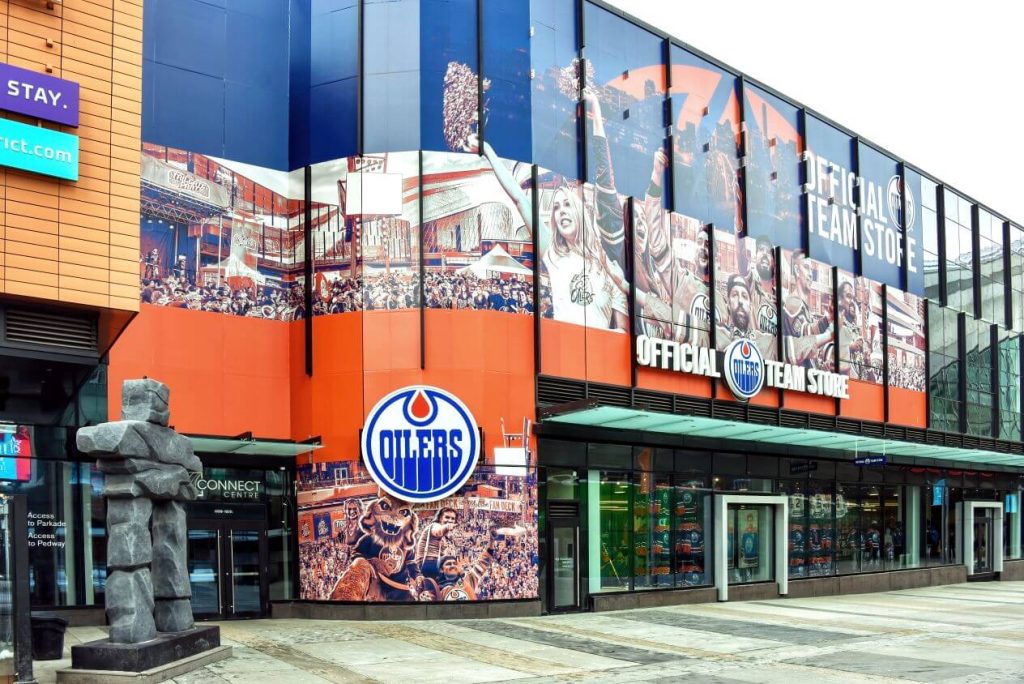
You need look only to the massive Edmonton Oilers’ 50/50 draws for an indication of Albertans’ outsized interest in recreational gambling.

What factors will most influence which operators succeed early in Alberta’s market?

GZ: Compelling sign-up offers and smooth registration processes will be critical. So, too, will be unique features and compelling pricing. You’ve got to stand out from the crowd however you can, because this is not a “new” market. Albertans have been gambling online for a long time, and many are already wedded to “grey” operators that are going to transition into the regulated market.

Operators need to give bettors a reason for staying or playing with them, beyond just “We Have Partnered with Entity X.”

What are the biggest risks that could hinder a successful sports betting launch in Alberta?

GZ: Any “friction” at launch will be killer. The ease of gambling with “grey” operators means an onerous sign-up process or clunky UX is going to turn bettors off. App outages would also be a brutal way to introduce yourself to a new market. Furthermore, operators must explain clearly why certain features may disappear, such as daily fantasy contests or horse racing, as provincial regulations and federal law may take those options off the table.

In Ontario, I got more questions about what wasn’t there when the competitive market launched, rather than what was.

Where do you see Canada’s iGaming market evolving over the next three to five years?

GZ: I see advertising regulations tightening, which will increase the importance of the product itself. You can get by with a vanilla sportsbook or casino, but to be a leader, you’ve got to offer the best. I also predict that there will be increased tension between provinces like Alberta and Ontario and others that don’t have competitive markets, because advertising for the former will continue to bleed into the latter.

This conflict is already simmering, but unless more provinces go with the Alberta/Ontario model, they will try to better define what is and isn’t legal within their borders. That means taking firmer stands against “grey” operators.