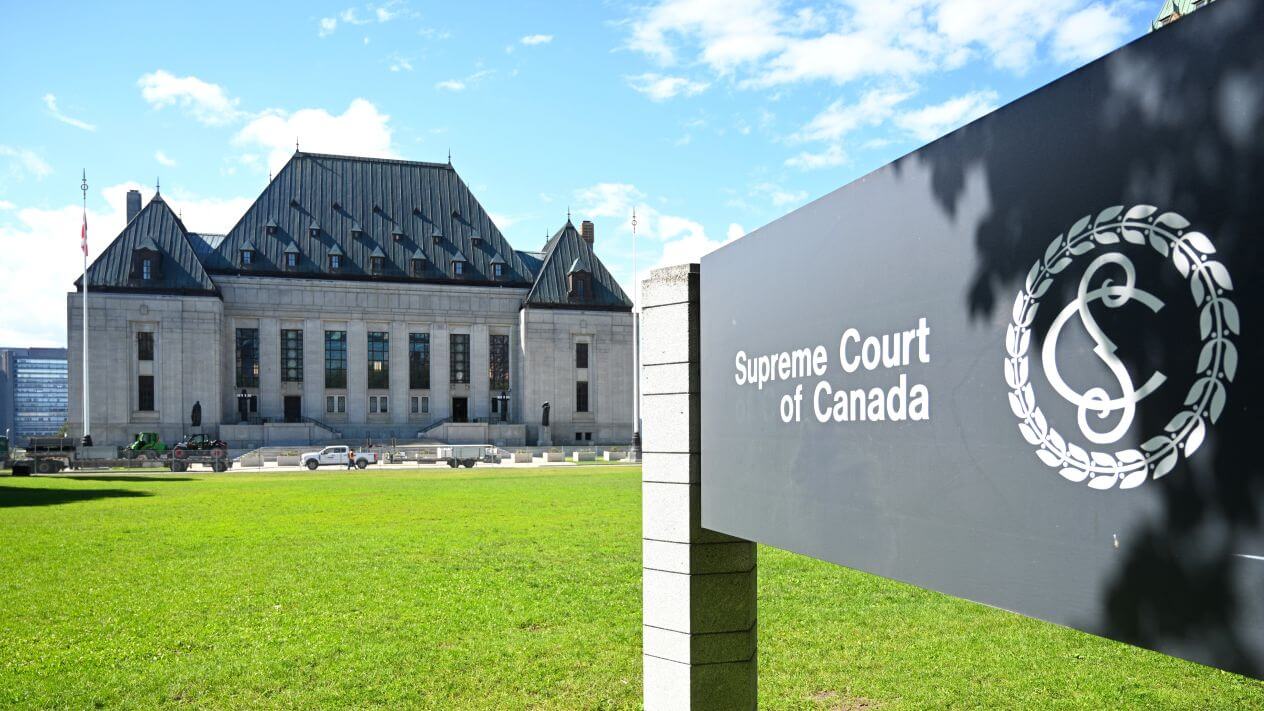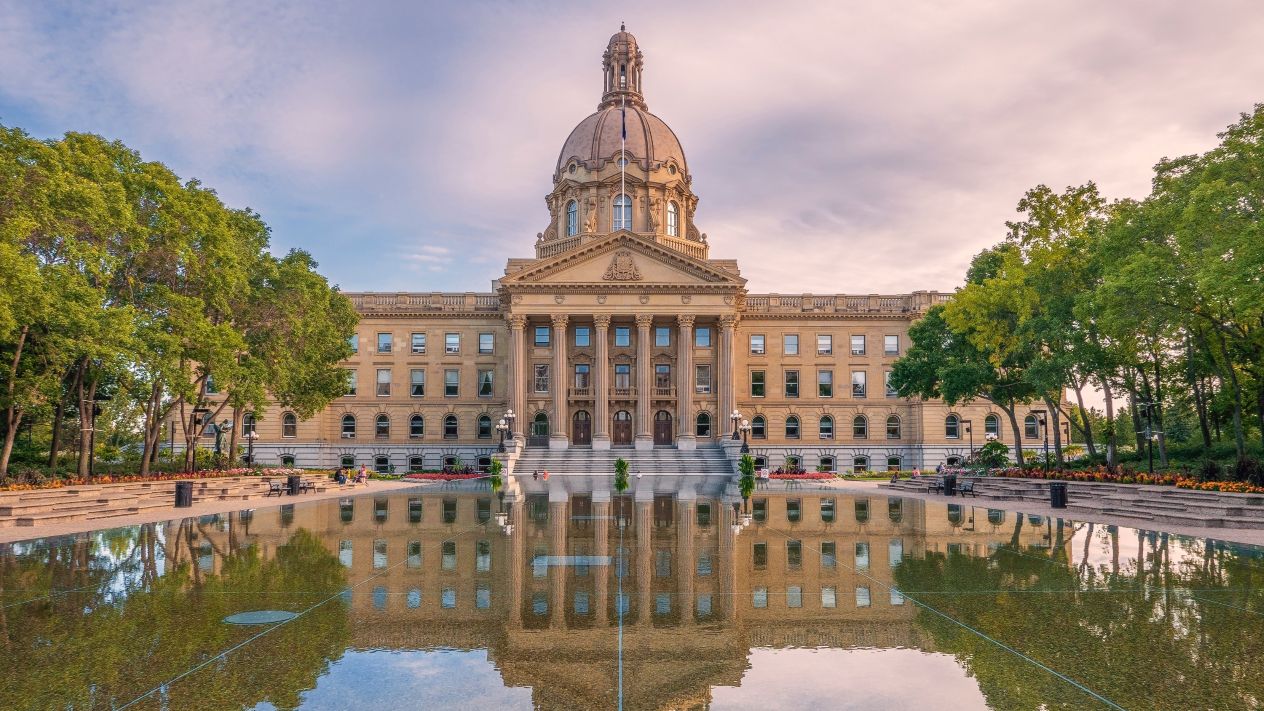
The government of Alberta has officially joined Canada’s inter-provincial battle in Supreme Court over international pooled liquidity for online poker and daily fantasy sports.
Several Canadian governmental lottery corporations are protesting an Ontario Court of Appeal decision in November 2025 that determined it would be legal for Ontario to connect peer-to-peer iGaming play with other countries.
On April 13, Supreme Court Justice Sheilah Martin granted Alberta Attorney General Mickey Avery’s motion to intervene in the case, titled ‘Atlantic Lottery Corporation, et al. v. Attorney General of Ontario’.
Canadian Gaming Business first reported that Alberta had filed for intervenor status on March 16.
“We have filed an intervention application and look forward to participating in that process to provide our insights,” Minister of Service Alberta and Red Tape Reduction Dale Nally, the provincial minister responsible for online gambling in Alberta, said at that time.
Canadian Gaming Business reached out to Avery’s office on Tuesday for comment.
Alberta takes notice with iGaming on the horizon
In the formal motion to intervene filed in March, legal representatives for Amery wrote that the AG’s office believed it should have a voice on this issue because it is about to launch regulated iGaming.
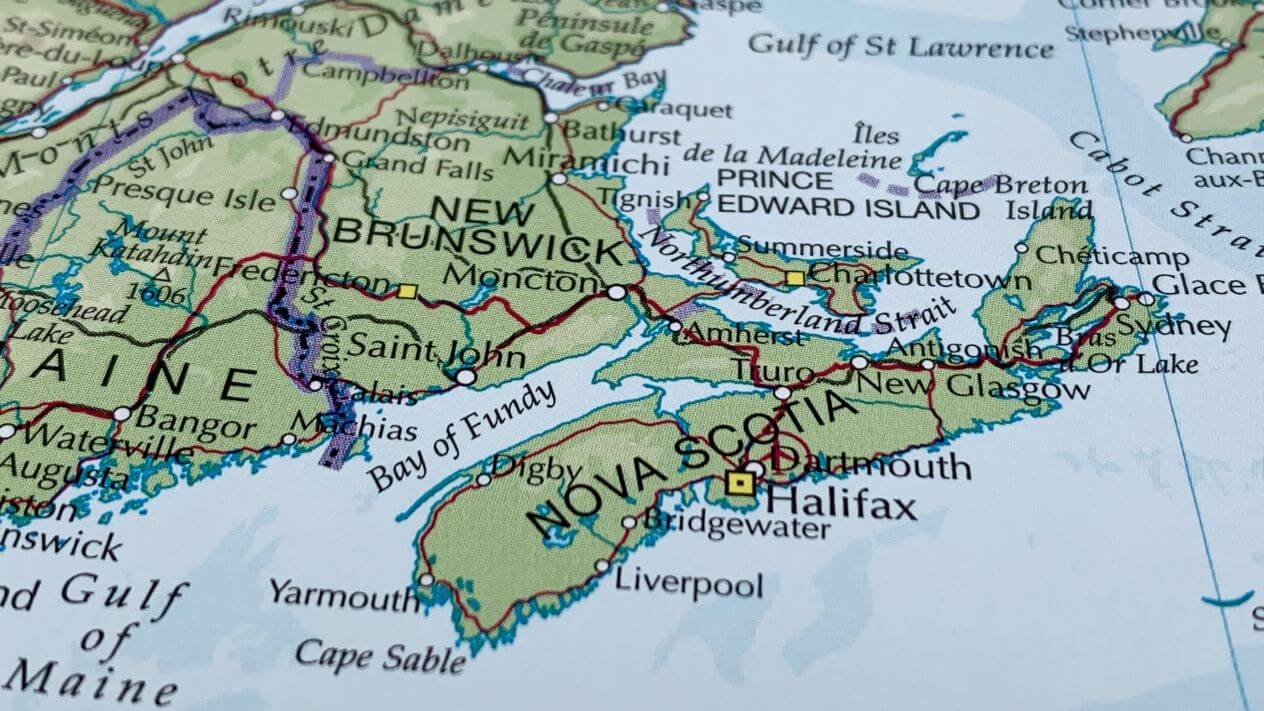
Until now, Ontario has been the only province in Canada to open a commercial, regulated online gambling market. But Alberta will cut the ribbon on a similar market on July 13, allowing publicly listed and private companies to enter and compete with the government’s own platform, Alberta Gaming, Liquor and Cannabis’ Play Alberta.
Nally and iGaming Ontario President and Chief Executive Officer Joseph Hillier both suggested to Canadian Gaming Business in recent months that Alberta and Ontario would like to discuss the idea of sharing a liquidity pool for peer-to-peer play.
“Under the iGaming Alberta Act, individuals outside of Canada are not prohibited from participating in an internet-based gaming site operated by a regulated agent of Alberta, provided that individual is permitted to do so by the laws of their jurisdiction,” read the filing. “Consequently, this appeal will have a significant impact on determining the legality and operation of the iGaming Alberta Act.”
Avery’s filing said that Alberta intended to argue that the Criminal Code should be interpreted “in a flexible and broad manner” so that it does not conflict with valid provincial legislation regulating gaming. Essentially, it would support the broadly pro-liquidity argument made by the government of Ontario.
As an intervenor, Alberta is entitled to file a factum of up to 10 pages by May 25 and to present an oral argument of up to five minutes at a future hearing. What it cannot do is “express a position on the disposition of the appeal” or raise net-new issues or evidence, nor can it duplicate other parties’ submissions.
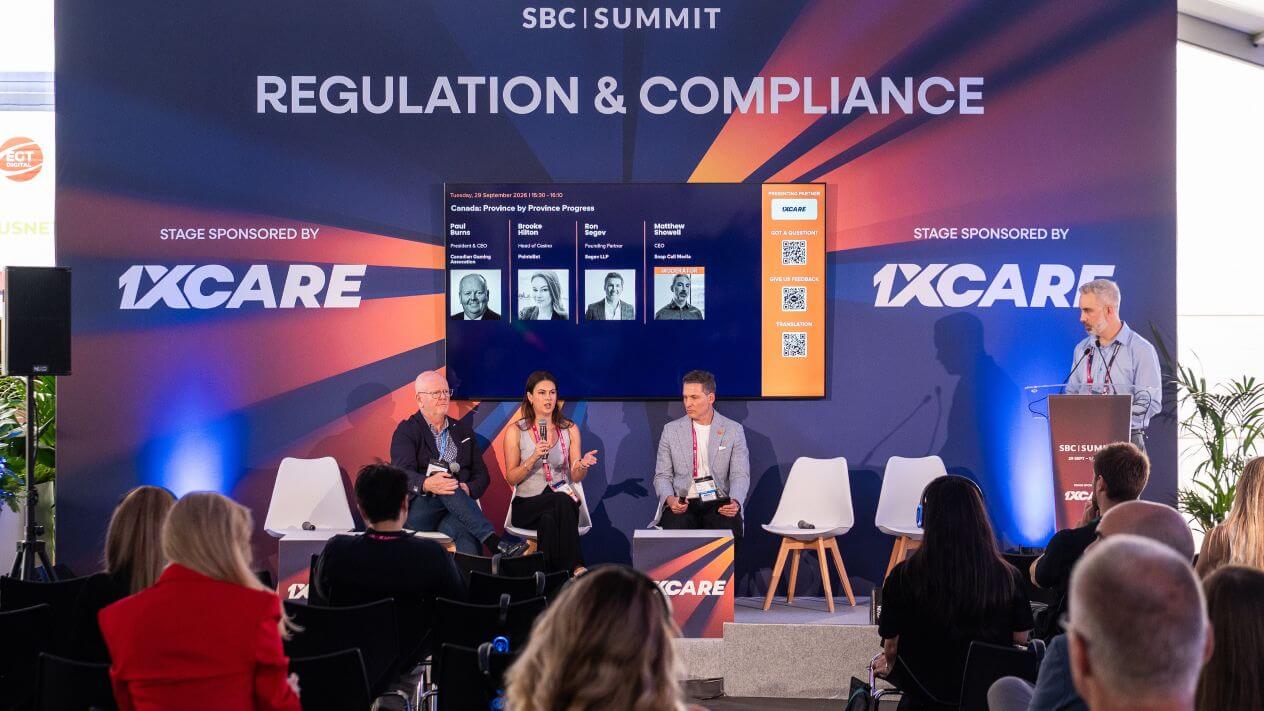
Other intervenors in the case include the Canadian Gaming Association, online gaming and poker giants Flutter and NSUS, and the Mohawk Council of Kahnawà:ke.
Loto-Québec joins other lotteries’ appeal
Alberta was granted leave to intervene independently in the Supreme Court case 11 days after Justice Martin approved Loto-Québec’s request to join the multi-provincial appeal against the Ontario court decision.
The Québec crown corporation filed in mid-March to join the Atlantic Lottery Corporation (ALC), British Columbia Lottery Corporation (BCLC) and Manitoba Liquor and Lotteries (MBLL) in challenging the idea that Ontario could take play across international borders.
With Québec and Alberta now approved parties, every Canadian provincial government other than Saskatchewan’s is now directly involved in the Supreme Court case. The four appealing lotteries are all members of the Canadian Lottery Coalition (CLC); neither Ontario nor Alberta is, although AGLC was a founding member of the coalition before leaving in 2024.