Search
Choose a style
Dark
Light

SBC signs long-term agreement to keep SBC Summit in Lisbon until 2030

SBC has signed a new long-term agreement confirming Lisbon as the host city of SBC Summit through 2030, formalizing the company’s commitment to the Portuguese capital for its flagship event.

The agreement, signed with Turismo de Portugal, the Municipality of Lisbon, and Lisboa FCE, a non-profit association that manages major exhibition and congress venues in the city, extends SBC’s commitment to the city beyond the previously confirmed 2027 edition, with dates and support now agreed for 2028, 2029, and 2030.

The deal reflects a shared ambition to grow SBC Summit’s international reach and cement Lisbon’s position as its home through 2030. The combination of Feira Internacional de Lisboa (FIL) and the MEO Arena gives SBC the scale to continue delivering the exhibition, conference, networking and entertainment program that has become central to the event.

“We’re happy to formalize the way we feel by committing to this city until 2030,” said SBC founder and CEO Rasmus Sojmark. “The agreement gives SBC and our attendees and partners the stability to plan and invest for the future. Knowing exactly where we’ll be and for how long means we can keep pouring everything into making the Summit bigger, better and more valuable for everyone who comes through the doors.

“We are very happy to have the support of the city we have chosen to host our biggest and most ambitious event. Year on year, Lisbon is proving to be the perfect fit, and we’re grateful for all the support we’ve received from the city so far.”

The agreement was formally signed on the final day of SBC Summit, with senior representatives from the City of Lisbon, FIL and Turismo de Portugal in attendance, including:

  • Gonçalo Reis, vice president, City of Lisbon
  • Maria Luísa Aldim, deputy mayor for Innovation Social Development
  • António Ramalho, president of the executive board of FIL
  • Carlos Oliveira, member of the executive board of FIL
  • Teresa Monteiro, member of the board, Turismo de Portugal

SBC Summit 2026 hosted attendees from 178 countries

SBC Summit’s impact on Lisbon has continued to grow since the event first arrived in the city back in 2024. For the 2026 edition, attendees travelled from 178 countries, generating an estimated 85,000 room nights across the Portuguese capital, with final attendance figures still being confirmed. 

“We are committed to working alongside SBC, supporting its ambitions and creating the conditions for the Summit to continue growing in Lisbon,” said Ramalho. “Events of this scale and international reach are key to positioning Lisbon, Parque das Nações and FIL at the forefront of the global events industry, reinforcing our city’s ability to attract and successfully host some of the world’s leading events.”

A year full of firsts

The 2026 edition of SBC Summit included a landmark Leadership in Sports Business keynote that will go down as one of the most high-profile ever staged in Europe, cementing Lisbon’s place in that history. Basketball icon, investor and philanthropist Michael Jordan, Sportradar founder and CEO Carsten Koerl, and DraftKings co-founder, CEO and chairman Jason Robins joined broadcaster Kirsty Gallacher on stage for the conversation.

In its third year in the city, SBC Summit also introduced plenty of firsts, including a standalone summit for the affiliate and performance marketing community, Affiliate Leaders Summit, alongside the Global Prediction Markets Forum and the African Gaming Forum.

Attendees also experienced a brand-new structured networking programme, high-profile keynotes with soccer transfer journalist Fabrizio Romano, known worldwide for breaking major signings, and UFC champion Charles Oliveira. The event concluded with INFINITY Lisbon, headlined by one of the best DJs of our era, Tiësto.

The global event will return to Feira Internacional de Lisboa and the MEO Arena on Sept. 21-23, 2027.

For more information, visit sbcevents.com/sbc-summit.

For sponsorship and exhibition opportunities, reach out to [email protected]. For general enquiries, contact [email protected]. 

NFL names theScore Bet as sports betting and casino partner in Canada

PENN Entertainment has signed a new Canadian-facing partnership with the NFL that gives theScore Bet sportsbook and casino league and team intellectual property and advertising rights.

The deal spans PENN’s entire Canadian iGaming portfolio, which comprises not only theScore Bet but also the standalone theScore Casino app and the Hollywood Casino platform that uses the name of its primary U.S. brick-and-mortar casino brand.

The company said in a press release provided to Canadian Gaming Business that the deal will allow theScore Bet to build integrated campaigns and fan experiences around some of the league’s biggest moments and trademarks, including the Super Bowl and the NFL Draft.

Specific benefits theScore Bet gets from the deal include:

  • ‘Official NFL Partner’ designation in Canada for both sportsbook and iCasino
  • The rights to use NFL league and team IP and trademarks in approved marketing and promotional campaigns
  • Shared media and promotional campaigns across both NFL and theScore-owned digital channels
  • Access to NFL marketing, advertising, hospitality and fan engagement assets
  • Access to NFL Canada digital media, database marketing opportunities, and promotional assets, as well as a presence at the league’s fan events and experiences

“theScore Bet is one of the most recognizable and trusted brands in Canada, with a proven track record of connecting with passionate sports fans,” said NFL Canada GM Gavin Kemp. “This partnership reflects our shared commitment to innovation and delivering exciting new ways for Canadians to engage with the NFL.

“We look forward to working together to create meaningful experiences for fans in Canada.”

theScore Bet joins BetMGM and others as NFL Canada partners

An NFL spokesperson confirmed to Canadian Gaming Business that theScore Bet is the league’s fourth official betting partner in Canada, joining:

  • BetMGM
  • DraftKings
  • FanDuel

In February, BetMGM announced a multi-year extension of its existing partnership with the NFL that included new status as an official sportsbook partner in Canada. The BetMGM agreement only covers sports betting and does not include BetMGM Casino.

BetMGM was already an approved sportsbook operator of the league in the U.S. That status, which is lower than official partner, allows it to market during game broadcasts.

The NFL’s three official gaming partners in the U.S. for the current season are DraftKings, Fanatics Betting & Gaming, and FanDuel. Fanatics does not currently offer sports betting in Canada, although Fanatics Casino entered Ontario for the first time this summer.

theScore seals prominent sports deals after Alberta launch

PENN Interactive VP of Marketing Justin Hergianto added that the NFL has a passionate following in Canada, and said the partnership gives theScore, which already covers the league extensively on its legacy media app across Canada, new ways to engage those fans.

Many of those NFL fans are in Ontario and Alberta, the two provinces in which theScore Bet and PENN’s other brands are able to offer regulated online gambling. PENN launched the two theScore-branded iGaming platforms and Hollywood Casino on day one of Alberta’s market opening, July 13.

“With theScore Bet live in Ontario and Alberta and theScore already a daily destination for millions of Canadian sports fans, we’re in a unique position to connect sports media and betting with the NFL experiences fans care about,” added Hergianto.

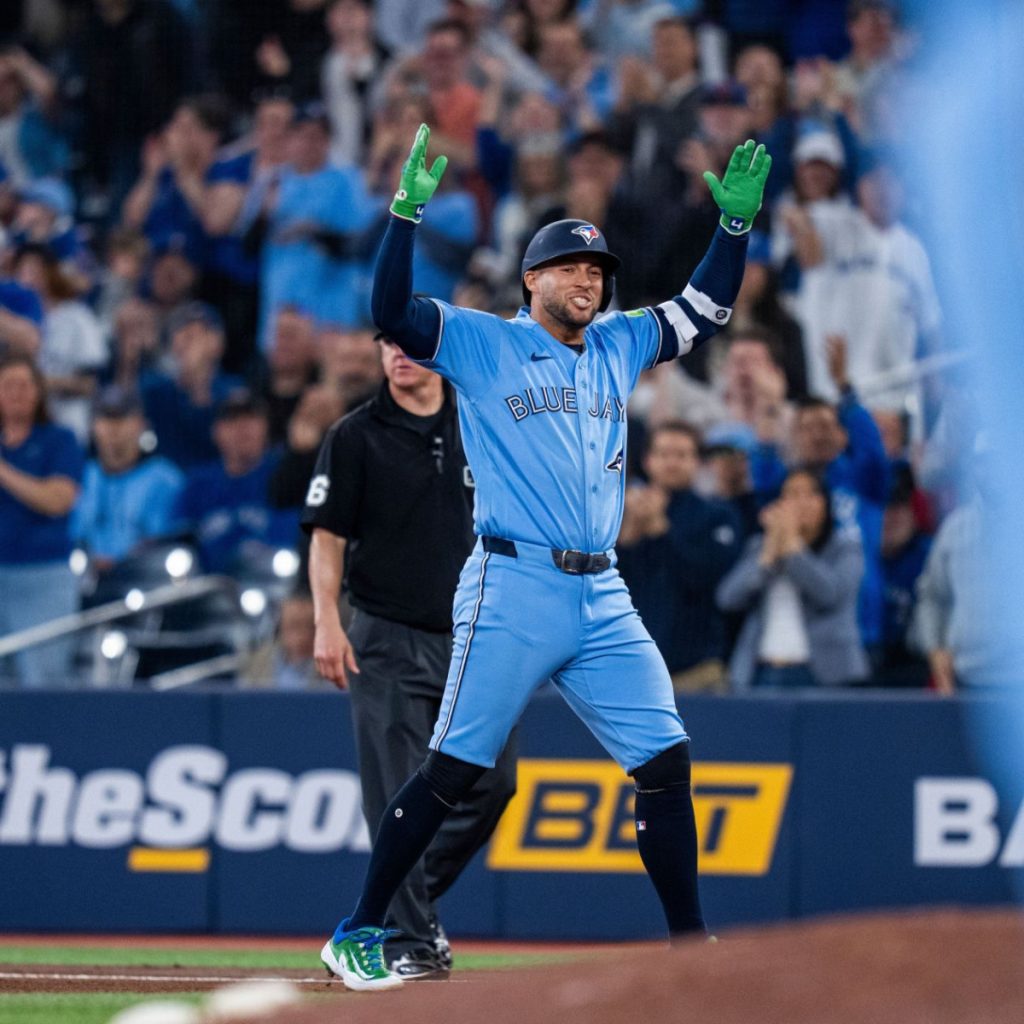
For Canadian-rooted sports and gaming brand theScore Bet, the NFL Canada deal is the latest major sports partnership that faces its home market. It has a 10-year exclusive deal with the Toronto Blue Jays that encompasses broadcast visibility, signage at the Rogers Centre, and the rights to offer exclusive casino games such as Blue Jays Blackjack.

theScore Bet logo at Rogers Centre. Image: Toronto Blue Jays

theScore Bet is also the exclusive gaming partner of Golf Canada, which includes sponsorship of the RBC Canadian Open and CPKC Women’s Open.

This year, as PENN extended theScore’s gaming platforms into Alberta, it has focused on football.

It signed an agreement earlier in 2026 with the Canadian Football League (CFL) that made it an official betting and online casino partner in Ontario and Alberta. That partnership includes cross-branding, custom promotions, and an integration that allows users of the CFL app and theScore media app to opt in to view and engage with theScore Bet’s betting lines.

The deal also installed theScore Bet as the presenting sponsor of the new CFL app, which launched in early September, as well as the free-to-play CFL Fantasy game.

Five of the CFL’s nine teams play in either Ontario or Alberta, and numerous NFL teams are highly popular in those provinces. theScore Bet now has prominent positioning with both leagues in Canada.

PENN has high hopes for theScore Bet in Alberta

In early August, a few weeks after regulated Alberta iGaming opened for business, PENN Entertainment CEO Jay Snowden illustrated the importance of the Canadian market to the historic brick-and-mortar operator’s iGaming operations.

Snowden said on an earnings call on Aug. 6 that Ontario “is by a good margin our number one market” for online sports betting. PENN offers betting via theScore Bet in more than 20 U.S. states as well as its two Canadian provinces, following the American-facing sportsbook’s rebranding from ESPN Bet. Ontario is also one of PENN’s top two markets for online casino, along with the parent company’s home state of Pennsylvania.

PENN executives have publicly stated that they expect Alberta can challenge to be a top-three market for PENN Interactive.

“We’re encouraged by our Alberta user and handle volumes on a per capita basis and believe our exclusive strategic partnership in Canada with the Toronto Blue Jays will complement the strength of theScore Bet brand there,” Snowden said on the August call.

“We hope to have the same or similar market share to what we enjoy in Ontario. That’s the focus, and it’s looking good so far.”

Kaizen Gaming, Pragmatic Play, Sportradar headline winners of SBC Awards 2026

SBC announced the recipients of the SBC Awards 2026 at the MEO Arena in Lisbon on Thursday, the final day of SBC Summit.

The 13th edition of the SBC Awards recognized achievements of operators, suppliers and individuals across the global betting and gaming industry. Dutch soccer legend and superstar Edgar Davids joined broadcaster Kirsty Gallacher to host the evening, celebrating excellence across 39 award categories, spanning company leadership, player protection, payments, and product innovation.

Some of the standout winners included multiple companies that won two awards apiece:

  • BetConstruct AI
  • Kaizen Gaming
  • Pragmatic Play
  • Sportradar

“One of my favourite parts of these awards is seeing the teams behind the achievements get their moment on stage.,” said SBC founder and CEO Rasmus Sojmark. “We know how much work goes into building a successful business or bringing a new product to market, and tonight was an opportunity to celebrate that together. Congratulations to all of our winners and finalists.”

Betsson, Kaizen Gaming, Coolbet win operator awards

It was another successful evening for Kaizen Gaming at the SBC Awards, retaining both Operator of the Year – Large and the title of Sportsbook Operator of the Year. Betsson Group also retained its Casino Operator of the Year crown.

Elsewhere in the operator categories, Coolbet was named Operator of the Year – Medium, while Vegas Legends won Operator of the Year – Small.

Novibet retained Innovation in Casino & Gaming Entertainment, while 1xBET successfully defended its Marketing Campaign of the Year title. 

Pragmatic Play picks up two supplier awards

On the supplier side, Pragmatic Play secured Casino / Slots Developer of the Year – Large for a third successive year and added Live Casino Supplier to its honours. Pascal Gaming won the medium developer category, while Gameburger Studios claimed the small category.

BetConstruct AI also celebrated a double success, winning Sportsbook Supplier of the Year and Land-Based Betting & Gaming Product.

Meanwhile, Sportradar collected Marketing & Services Provider of the Year and reclaimed Live Betting Product, an award the brand previously won in 2024.

Other supplier-side winners of SBC awards include:

  • Amusnet — Multi-Channel Supplier of the Year
  • Digitain — Platform Provider of the Year
  • Oddin.gg — Esports Supplier of the Year
  • Playbook Fusion — Virtual Sports Supplier of the Year
  • SOFTSWISS — Aggregator of the Year
  • Stats Perform — Sports Data Product of the Year
  • White Hat Gaming — White Label Supplier of the Year

Soft2Bet secured Innovation in Casino Entertainment for a third consecutive year, while SPRIBE’s Aviator won Crash Game of the Year after SPRIBE’s success in the category in 2025. Optimove secured the award for Industry Innovation of the Year, while Kanggiten collected Innovation in Mobile. Xtremepush was named Acquisition & Retention Partner.

In the payments categories, Yaspa was named Payment Solution of the Year, while OKTO Payments collected Payment Innovation of the Year. Incode secured Fraud & Compliance Solution of the Year, and EPIC Global Solutions was recognised for Socially Responsible Initiative of the Year.

Rising Star categories celebrate emerging businesses in gaming

The SBC Awards Rising Star categories recognised emerging businesses across both operators and suppliers.

Interplay tech and Megapari won Rising Star in Casino and Rising Star in Sports Betting, respectively. On the supplier side, Insightplay AI secured Rising Star in Sports Betting Innovation / Software, while TaDa Gaming collected Rising Star in Casino Innovation / Software.

The evening also celebrated leadership and workplace culture. Alea was named Employer of the Year – Supplier, while Allwyn Hellas secured Employer of the Year – Operator.

The Leader of the Year honours went to Vladimir Dokov (CEO, EGT Digital) and Alina Mihaela Popa (CCO, ICONIC21), while David Natroshvili received the Nico Jansen Vision to Reality Award.

The SBC Awards ceremony concluded the final day of SBC Summit 2026, rounding off three days of networking, business discussions and education for the international betting and gaming community in Lisbon.

View the full list of SBC Awards 2026 winners

A separate awards ceremony dedicated to the affiliate space, the Affiliate Leaders Awards, also honoured numerous winners in Lisbon.

Alberta iGaming minister: Province will explore ‘every possible avenue’ to shut down unlicensed operators

LAS VEGAS, NEVADA — Three months into the lifespan of the regulated Alberta iGaming market, the provincial government says it is ready to use “every possible avenue” to shut down any unlicensed operators that continue to do business.

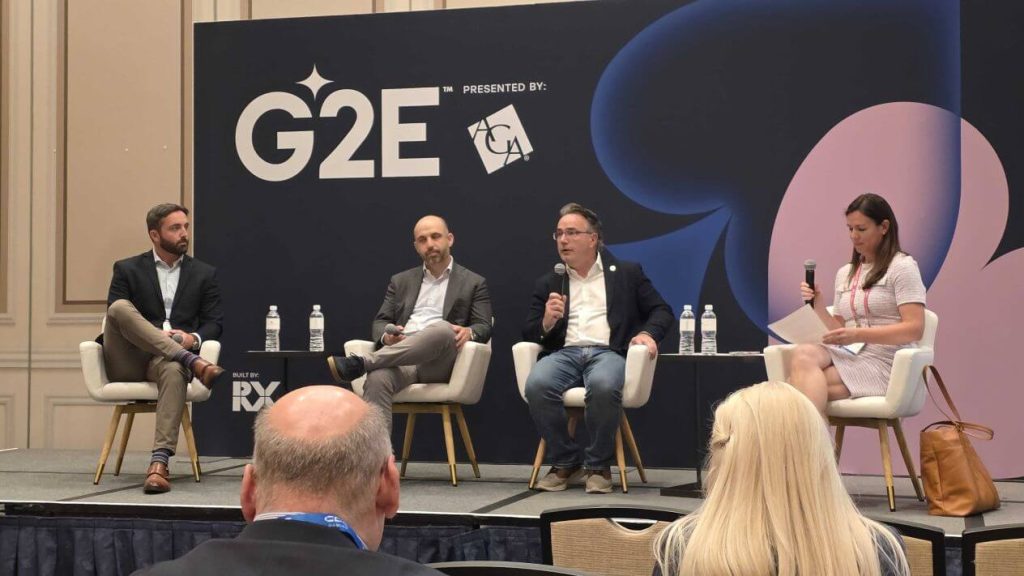
“We have levers at our disposal that may not have been tried in the past,” the minister responsible for Alberta iGaming, Dale Nally, said on a Canada-focused panel at the Global Gaming Expo (G2E) in Las Vegas on Sept. 29.

“I’m not going to broadcast what they are because I don’t want to tell the bad guys what we’re going to start doing. But we are intrinsically motivated to deal with the illicit market, and we’re going to pull every lever at our disposal to make sure that the good guys are rewarded and that we keep as much of the illicit market out of the province as possible.

“Our intention is to go as hard as we can against that illicit market. That’s our obligation, not just on behalf of Alberta but also on behalf of the operators that have chosen responsibility.”

Pay up or get out

Alberta officially began authorizing, licensing, and taxing commercial online gambling platforms this summer. Before that, Alberta iGaming was notionally a government monopoly for the Play Alberta site run by the market regulator Alberta Gaming, Liquor, and Cannabis (AGLC).

However, as was the case in Ontario when that province did the same in 2022, numerous online casinos and sportsbooks had been operating there anyway. Multiple assessments put Play Alberta’s share of the market at only around 30%, with the other 70% of iGaming activity happening on sites that were not supposed to be available.

Moving that unregulated gambling over to licensed sites (termed as ‘channelization’) is a core goal for Alberta, as it was in Ontario. The Ontario government estimates it has attained 90% channelization four years into its market. Alberta is publicly targeting around 75% by the second year of its market, although the CEO of the Alberta iGaming Corporation told SBC’s iGaming Daily podcast that’s a lowball estimate.

“Play Alberta did a great job, but the unfortunate part is they were only able to capture 30% of the market,” Nally acknowledged on the panel. “So, despite our best efforts, we knew that the black market was alive and well. When I describe the black market, the word that I use the most is ‘repugnant’.

“We’ve said throughout this process that the best way to deal with the illicit market is to have a strong, healthy legal market. The stronger your market, the more success you’re going to have pushing the illicit market out of that space.”

Alberta iGaming minister Dale Nally (second right) speaks at G2E. Image: Canadian Gaming Business

Alberta iGaming’s 3-month grace period ends Oct. 13

Once the commercial Alberta iGaming launch date was set as July 13, provincial authorities announced that they would allow three months for any sites that were operational in the previous grey market to complete the transition from unregulated play to licensed and regulated play.

That deadline is looming. Operators such as Super Group’s Betway, have completed that process in recent days. More will follow. In response to a question from Canadian Gaming Business at the end of the G2E panel, Nally said that he expects the list of licensed Alberta iGaming websites to expand from roughly 35 as of this week to around 60 by Oct. 13.

“The commitment I have given the market is that we will not go after illicit operators until Oct. 13,” Nally told the room at G2E. “Once we go live in Alberta, we are going to wrap up these conversations because we don’t want an illicit market in Alberta.”

Alberta’s plan unclear

Exactly how Alberta iGaming officials intend to crack down on still-active unlicensed operators after Oct. 13 is unclear. Canadian Gaming Business asked Nally for more details, but the minister again did not offer any specifics.

How much the province can do in practice is uncertain.

Other jurisdictions including numerous U.S. states have pursued action such as sending cease-and-desist letters to unlicensed operators or even trying to go after service providers that work with those operators, such as payment processors. Nally said that that those methods “are absolutely two levers that we’re going to be exploring.”

Ontario regulator feels it lacks power

On a separate G2E panel on Sept. 28, Alcohol and Gaming Commission of Ontario (AGCO) CEO Karin Schnarr commented that she wished she had as much power of some of her counterparts in other North American jurisdictions when it comes to enforcement against unlicensed operators.

In January 2025, the AGCO stated in its annual report that it was working on “a comprehensive strategy” to restrict access to the unregulated market. Ontario Attorney General Doug Downey subsequently wrote to the regulator to urge it to develop “additional resources to combat illegal gaming operators,” including potential options like cease-and-desist orders and fines.

The AGCO has not spoken at any length about that since, although its COO Dave Phillips said in April 2025 that the commission has “a real significant lack of authority” to take firm action.

Ontario’s regulator then issued a notice in May 2025 in which it called upon digital media platforms to “step up the fight” and stop advertising unregulated online gambling sites in the province, which it said gives unlicensed sites “a veneer of legitimacy.”

On the G2E panel, Alberta iGaming minister Nally referenced big tech firms like Google and Apple, which allow users to download apps of online casinos or sportsbooks that have not been authorized by provincial governments.

“You have to look at every possible avenue,” Nally added. “That means Google, it means Apple, it means social media. We have those conversations, and we will continue having those conversations. It’s important to manage our expectations. There’s a bit of Whac-A-Mole because these companies always seem to pop up under a new name or IP address. So, there’s lots of work to be done.”

Meet the winners of the Affiliate Leaders Awards 2026

Clever Advertising, Hub Affiliations, Flashscore Network, and Catena Media were among the big winners at the 2026 Affiliate Leaders Awards, a ceremony celebrating affiliate and performance marketing excellence across the global betting and iGaming industry.

Taking place at Lisbon’s MEO Arena on Wednesday, Sept. 30, the ceremony was co-hosted by globally recognized sports presenter Alison Bender and Portuguese football legend Nuno Gomes, who presented awards across 20 categories in front of 300 industry professionals.

Speaking after the event, Rasmus Sojmark, founder and CEO of SBC, said: “The global affiliate sector is an indispensable part of our industry, and we are incredibly proud to continue providing a ceremony dedicated to celebrating its achievements.

“It’s so much more than winning an award; it’s a physical representation of a job well done, a change made and an impact on the industry. With this year’s record-breaking number of entrants and the enthusiasm we saw in the room, it’s clear the industry feels the same.”

Clever Advertising, Catena Media among standout company winners

It was a standout evening for Clever Advertising, which retained the title of Affiliate Employer of the Year while also taking home Affiliate Traffic Source of the Year.

In the affiliate categories, Flashscore Network was named Sports Affiliate of the Year for the second year running, while Catena Media took home Casino Affiliate of the Year.

Hub Affiliations secured the title of Best Affiliate Network, while Anna Maria Baccaro of Hub Affiliations retained her title as Affiliate Content Manager of the Year.

Elsewhere, BIG4PLAY was named Rising Star of the Year (Affiliate), Better Collective took home Affiliate Product Innovation, GottaGamble secured Crypto Affiliate of the Year, and SlotCatalog won Affiliate-led Campaign of the Year.

In the operator categories, Vegas Legends retained its Affiliate Programme of the Year (Medium / Small) title for the second consecutive year, while Novibet won Affiliate Programme of the Year (Large) and Betsson Group was crowned Digital Marketing Campaign of the Year.

In the supplier categories, RavenTrack retained the title of Affiliate Management Platform of the Year, Evolution took home Casino Title of the Year, PartnerMatrix was named Affiliate Technology of the Year, and Basher Agency secured Marketing Agency of the Year.

Individuals also honoured

Recognizing outstanding leadership within the sector, Affiliate Leader of the Year was shared between Brian Christopher (Creator & CEO, BC Ventures) and Anastasiia Shсherbyna (CMO, Melbet).

Other individual honours included Affiliate Account / Community Manager of the Year, awarded to Leon Constantinou (Entain), and Affiliate Marketing Manager of the Year, presented to Giannis Stavropoulos (Stoiximan).

“I would also like to extend a huge thank you to our platinum sponsor, SuperPartners, as well as our esteemed panel of award judges,” Sojmark said. “Their commitment and support were essential in making this celebration possible.”

You can find the full list of Affiliate Leaders Awards 2026 winners here.

Portugal officials welcome SBC Summit back to Lisbon for third year

LISBON, Portugal – Multiple Portuguese government and Lisbon city dignitaries turned out to welcome SBC and its 40,000 attendees to the city for the third year running, taking part in an official ribbon-cutting ceremony to mark the opening of SBC Summit.

The Mayor of Lisbon, Carlos Moedas, delivered the event’s opening remarks ahead of the ribbon-cutting ceremony, where officials were joined by SBC leadership and the event’s key sponsors.

The dignitaries then took part in a VIP tour of the exhibition floor at Feira Internacional de Lisboa (FIL), meeting industry leaders, exhibitors and SBC Summit partners.

Key attendees at SBC Summit ribbon-cutting

Officials in attendance included:

  • Maria Luísa Aldim, deputy mayor for Innovation and Social Development
  • Rita Prates, CEO, Santa Casa da Misericórdia de Lisboa
  • António Ramalho, vice president, FIL
  • António Valle, director-general, Turismo de Lisboa
  • Carlos Abade, president, Turismo de Portugal
  • Jorge Vinha da Silva, CEO, MEO Arena

Senior representatives from several of SBC Summit’s major sponsors also attended the ceremony, including SoftConstruct, Digitain, Alea, EGT and Amusenet, joining city officials and SBC leadership.

  • Vigen Badalyan, founder & CEO, SoftConstruct
  • Vardges Vardanyan, founder, Digitain
  • Alex Tomic, founder, Alea
  • Vladimir Dokov, CEO, EGT
  • Ivo Georgiev, CEO, Amusenet

“We are very happy to have the support of the city we have chosen to host our biggest and most ambitious event,” said SBC founder and CEO Rasmus Sojmark. “Year on year, Lisbon is proving to be the perfect fit, and we’re grateful for all the support we’ve received so far, and for the time everyone here today has chosen to dedicate to attending and welcoming our attendees to Lisbon.”

Ahead of the ceremony, officials were hosted at the MEO Arena, Lisbon’s largest indoor venue and one of the biggest in Europe, for a ‘Leadership in Sports Business‘ keynote that will go down as one of the most high-profile ever staged in Europe, cementing Lisbon’s place in that history.

Basketball icon, investor and philanthropist Michael Jordan, Sportradar founder and CEO Carsten Koerl, and DraftKings co-founder, CEO and Chairman Jason Robins joined broadcaster Kirsty Gallacher on stage for the conversation.

This continues a pattern of high-level engagement from city and government officials: Moedas and then-Minister of Economy Pedro Reis attended personally when the event first relocated from Barcelona. 

SBC economic impact in Portugal

The event’s economic footprint has grown alongside it. In its first year alone, SBC Summit generated approximately €100m in indirect economic benefit for Lisbon, drawing visitors from 150 countries last year, up 22 on 2024. This year, the organizer estimates 85,000 room nights booked by attendees descending on the city, with final attendance figures still being confirmed.

In its third year in the city, SBC Summit is introducing plenty of firsts, including a standalone summit for the affiliate and performance marketing community, Affiliate Leaders Summit, alongside the Global Prediction Markets Forum and the African Gaming Forum. Attendees can also expect a brand-new structured networking program, an Opening Party featuring a headline performance from multi-platinum-selling band The Script, high-profile keynotes with football transfer journalist Fabrizio Romano, known worldwide for breaking major signings, and UFC champion Charles Oliveira, and a closing Infinity Lisbon night headlined by one of the best DJs of our era, Tiësto.

SBC Summit will return to Lisbon in September 2027

The global event will return to Feira Internacional de Lisboa and the MEO Arena on Sept. 21-23, 2027.

For more information, visit sbcevents.com/sbc-summit.

For sponsorship and exhibition opportunities, reach out to [email protected]. For general enquiries, contact [email protected].

Bede Gaming: Future of segmentation is no segmentation

With personalization being increasingly key to a successful engagement strategy, Sarah Hitchcock, Chief Product Officer at Bede Gaming, explains how the company’s product management team is helping partners keep ahead of evolving market trends and provide genuinely customizable experiences on a player-by-player basis. 

The future of segmentation is no segmentation. It’s an odd statement to make when personalized user journeys and more relevant content offerings have now become a non-negotiable part of operators’ engagement strategies, but the reality is that these days, genuinely unique experiences need to be created on a player-by-player basis, and not by following a set of pre-determined rules or grouping of players.

Although iGaming as an industry has made giant strides forward in terms of the segmentation criteria that can be applied to different user sets, true personalization comes from treating each player as an individual and accommodating their needs accordingly.

It’s for this reason that I believe as AI and automation evolve and segments are broken down even further, operators will find themselves moving away from the blanket configurations of yesteryear to a more distinctive approach; and Bede Gaming will be here to give them the head-start they need to keep ahead of the curve.

How segmentation has shifted

Of course, any discussion concerning the future of player segmentation needs to begin with a solid definition of what it is and where it currently sits within the iGaming industry. In its current guise, player segmentation is based on the idea of grouping certain sets of users together based on the traits they have in common, before applying specific actions to these segments as a whole.

The goal is to deliver user journeys and promotions that feel more relevant and personalized to each pre-defined group and the criteria used to build those groups are already fairly extensive.

Segmentation today draws on who the player is (demographic and account details, KYC and verification status), how they behave (transactional and behavioural activity), what they’ve consented to (marketing preferences), and how the operator chooses to treat them (responsible gambling status, VIP tiers, and other custom, operator-defined rules).

Although this list alone provides operators with a wealth of possible configuration options, it is by no means exhaustive. The reality is that the diversification of player segment criteria will only continue to grow in the future, so much so that there will be a potentially infinite mix of promotional and engagement triggers in place for varying players based on their own unique account settings.

With this in mind, segmentation will continue to become increasingly granular to the point that the concept itself will shift from ‘group rules’ to a more personalized engagement strategy. This trend will be accelerated by the increased adoption of AI analytics and automation capabilities, with operators being able to dissect segments further and further until they simply cease to exist.

Expectations inform engagement

So, what does all this mean for operators? Well, with personalization these days being less of a competitive advantage and more of a minimum business requirement, we’re already seeing the impact taking a more one-size-fits-all approach can have on engagement.

Put simply, modern audiences expect products to remember preferences, recognize behaviour and surface relevant content when it matters, with generic campaigns increasingly being experienced as interruption.

To satisfy these demands, operators need to be able to build real-time audience definitions that support contextual communication and allow them to surface relevant products based on what a player did moments ago, not when their segment criteria were last reviewed.

For example, Bede’s Dynamic Segmentation tool allows them to do precisely that by incorporating automation capabilities that can quickly identify patterns in behaviour that would be otherwise undetectable to a human operator, allowing them to respond to the most recent activity and adjust user journeys on the fly.

We’ve taken this further by building intelligent automation into our Campaign Manager tool, as well as through third-party integrations with trusted partners such as Future Anthem, so that these on-the-fly adjustments can happen automatically, without needing manual operator input.

By configuring their settings and adding relevant triggers, operators can have an AI tool issue communications, suggest games, and offer relevant promotions in real-time, ensuring each player journey feels unique and genuinely responds to what’s happening, rather than relying on outdated information.

While this undoubtedly improves personalization, both in terms of the level of behavioural insight that’s provided and the speed with which it can be acted on, it’s important to remember that the goal is not to remove human input from the equation.

With Bede, each operator can still set their own specific segmentation criteria and decide what triggers are used for issuing communications or promotions; we simply remove the manual burden of doing so and make these actions instant.

Personalization where it matters

Based on what we’ve seen from the direction the iGaming industry is heading and the capabilities we’ve built into our platform tools, the writing is very much on the wall when it comes to the future of segmentation; and the truth is that very soon, there will likely be no player segmentation at all.

With both background and behavioural analysis becoming increasingly granular and the range of applicable segmentation criteria also growing at an exponential rate, it won’t be long before things have been broken down in such detail that every player will have their own unique on-site journey.

The obvious benefit of this is that an operator’s communications and promotions will be far less likely to miss their mark. This will in turn empower operators to present players with relevant communications at the exact moment they’re likely to have the biggest impact, with AI and automation helping them execute on this smoothly.

Naturally, alongside the segmentation itself, this trend towards flexibility, customization and greater personalization needs to be incorporated by operators across their entire product suite, with player account management and bonusing both playing pivotal roles in delivering powerful player experiences.

And it’s not just B2C where this approach needs to be taken either. B2B is equally important, so on the provider side, there needs to be a bespoke process in place that offers personalized technical and product solutions that cater to each operator’s specific needs.

Keeping ahead of the curve

At Bede, our approach to partnerships reflects our approach to personalization as a whole, and our team of product managers are the champions behind the curtain that make each one unique.

A group of dedicated subject matter experts who know the ins and outs of each customer operator’s requirements and usage as well as wider industry best practice, our product managers go the extra mile to provide a service that’s not only fully bespoke, but also built to adapt to the needs of our partners as they continue to grow.

Underpinned by regularly recurring one-on-one sessions that refine the product roadmap and ensure it offers the maximum added value for each partner, our product function also provides ongoing competitive research and thorough competitive gap analyzes so that they can continually strengthen their offerings, both in live markets, and as they look to broaden their horizons in the future.

On this front, we also pair each customer with a dedicated compliance manager, who’s responsible for studying and maintaining regulatory requirements no matter where they operate, as well as a dedicated client success manager, who oversees their holistic account governance.

A commitment to staying ahead of the curve across all aspects of our operations is one of the big points of difference that Bede offers; and embedding this practice of competitive and predictive expertise within our product function is precisely how we’ve been able to identify industry trends early and take a longer-term view of topics – the evolution of player segmentation being just one such example.

Whereas other platform providers tend to package this information as a one-way service that ultimately leads to dependency, at Bede we share our insights with partners collaboratively and provide them with the tools and guidance they need to act on them accordingly.

With this giving them the freedom and autonomy to develop the most effective strategies for their own specific audiences, we don’t just help operators stay on top of the present – we help them take control of the future.

Betway launches in Alberta’s regulated iGaming market as ‘second wave’ of operators arrive

More licensed online gambling sites have joined Alberta’s regulated iGaming market, headlined by Betway and other Super Group brands. Many others will likely follow in the next few weeks.

Betway was one of several platforms that began taking bets in the province’s licensed market this week, the provincial iGaming management agency Alberta iGaming Corporation (AiGC) confirmed.

Others that went live in the last week of September or the first days of October include:

  • Another Super Group brand, Spin casino
  • Golden Tiger Casino, one of seven sites that Apollo Entertainment has registered in Alberta
  • Powerplay casino and sportsbook.

Super Group brings sites out of the grey in Alberta

Betway, which unveiled the Toronto Blue Jays’ Vladimir Guerrero Jr. as a brand ambassador in June, is a longtime active unregulated site in Canada, including Alberta. It has now joined 30-plus other online sports betting and/or casino sites doing business in that province with the blessing of the government under the licensed, regulated iGaming model launched on July 13.

Alberta becomes Betway’s second provincially licensed market in Canada, after Ontario, where it similarly transitioned over from the grey market after that province’s regulated iGaming launch in 2022.

Betway is one of five platforms that its parent company, Super Group, has registered for Alberta’s market:

  • Betway
  • Jackpot City
  • Royal Vegas
  • Ruby Fortune
  • Spin

All of those sites operate in Ontario’s regulated market, and they are also available in the unregulated market in other provinces, where the respective government gaming operators are the only ones authorized to do business. Data from H2 Gambling Capital provided to Canadian Gaming Business this month identifies Super Group as the biggest operator in Canada’s unregulated market by share of total revenue.

In Alberta, Super Group began transitioning its sites to the regulated market in recent weeks, first with Royal Vegas and Ruby Fortune before Betway completed the switch-over. Spin also officially joined the regulated market this week.

AGLC: ‘Second wave’ coming as Oct. 13 deadline approaches

In Super Group’s case, the reason this is happening now is that a key deadline is fast approaching in Alberta.

Once Alberta’s regulated market opened, Alberta Gaming, Liquor, and Cannabis (AGLC) required any operators like Super Group that were already active in the province to end all unregulated gaming activity and either pay licensing fees and tax or exit the province. The regulator offered a three-month grace period on a case-by-case basis, making the final deadline for ending unregulated gaming Oct. 13.

Several operators, including bet365 and Entain’s Sports Interaction, already completed that transition either on or after the July 13 launch day. Roughly 20 sites launched on day one on July 13; that has already grown to more than 30, and there are many more registrants waiting in the wings.

Some of those, such as Bet99 and newly registered Stake, were available in Alberta pre-regulation, while other eventual entrants will be brand-new to the province.

AGLC Chief Regulatory Officer and EVP Dave Berry told Canadian Gaming Business this week that he expects “a second wave” of registered iGaming sites to go live in the regulated market over the next few weeks as Oct. 13 comes and passes.

Alberta officials expect 60 licensed sites

Back in May at SBC Summit Canada, Alberta’s minister responsible for iGaming, Dale Nally, said that he ultimately expected as many as 70 operator sites to take part in the province’s regulated market. Berry echoed that number to Canadian Gaming Business as the likely ballpark total eventually.

More imminently, Nally responded to a question from Canadian Gaming Business at G2E in Las Vegas on Tuesday by suggesting that the current expectation is that Alberta will have 60 operator sites in the market by the Oct. 13 grey-market transition deadline.

“We know that there are other operators that want to join our market, but they’re still building, and they’re not in the grey market,” Nally said during the Q&A period of a Canadian iGaming-focused panel. “But, by Oct. 13, we think we’re going to be about 60 or 61.”

Not every previously active unregulated site like Betway will continue to operate in Alberta under the province’s new model. AGLC’s Berry also revealed that more than one operator that had been live pre-registration wrote to the AGLC to inform the regulator that it would not seek licensure in the new market and would instead exit the province.

With the additions of Betway and the other recent arrivals, AiGC lists a total of 35 active licensed iGaming sites as of the time of writing, some of which are shared by the same operating company. In contrast, Ontario’s four-year-old regulated market is currently home to 49 commercial operators running a total of 84 sites.

“Our plan is working,” said Nally. “We are going to build a responsible market. We’re going to put safety first. We’re going to put responsibility first. You need the operators to embrace it, and the fact that we’re at 30+ operators six weeks in signals that the AGLC, the AiGC, the department, everybody has done a great job.”

DraftKings named official sponsor of NHL on Prime in Canada-facing deal

DraftKings will be an exclusive sponsor of NHL on Prime’s ‘Wednesday Night Hockey’ in Canada throughout the 2026-27 NHL season.

The gaming giant announced on Monday that it has signed an agreement with Prime Video that makes it the exclusive sportsbook and online casino integration sponsor of NHL on Prime. The deal includes every ‘Wednesday Night Hockey’ game as well as select Stanley Cup Playoffs coverage on the streaming service.

DraftKings will get the benefit of exclusive integrations before and during ‘Wednesday Night Hockey’ games, including branded pregame and intermission features, commercial spots and broadcast sponsorship, and score clock elements. The operator said that its presence during NHL on Prime coverage is “designed to complement the viewing experience for hockey fans in Canada.”

NHL on Prime in Canada is shifting from ‘Monday Night Hockey’ to Wednesdays this season, with 27 national regular-season game broadcasts (each involving at least one Canadian team) beginning with the Toronto Maple Leafs against the New York Islanders at Scotiabank Arena on Wednesday, Sept. 30. This season’s NHL on Prime coverage also includes the rights to two first-round Stanley Cup Playoff series and one second-round series.

DraftKings gets hockey boost for key Canadian markets

The deal comes at a time when DraftKings, like many iGaming operators, has just started doing business in a second Canadian province.

The operator has offered online sports betting and casino in Ontario since 2022, and launched both its flagship sportsbook and casino app and its separate Golden Nugget Online Casino platform in Alberta on day one of that province’s new regulated market on July 13.

DraftKing is already an official partner of several sports leagues with Canadian teams and audiences, including:

  • The NBA
  • The NHL
  • The WNBA

Now, through the NHL on Prime deal, it gets more visibility and more engagement around Canada’s national winter sport in two provinces that between them host four of Canada’s seven NHL franchises.

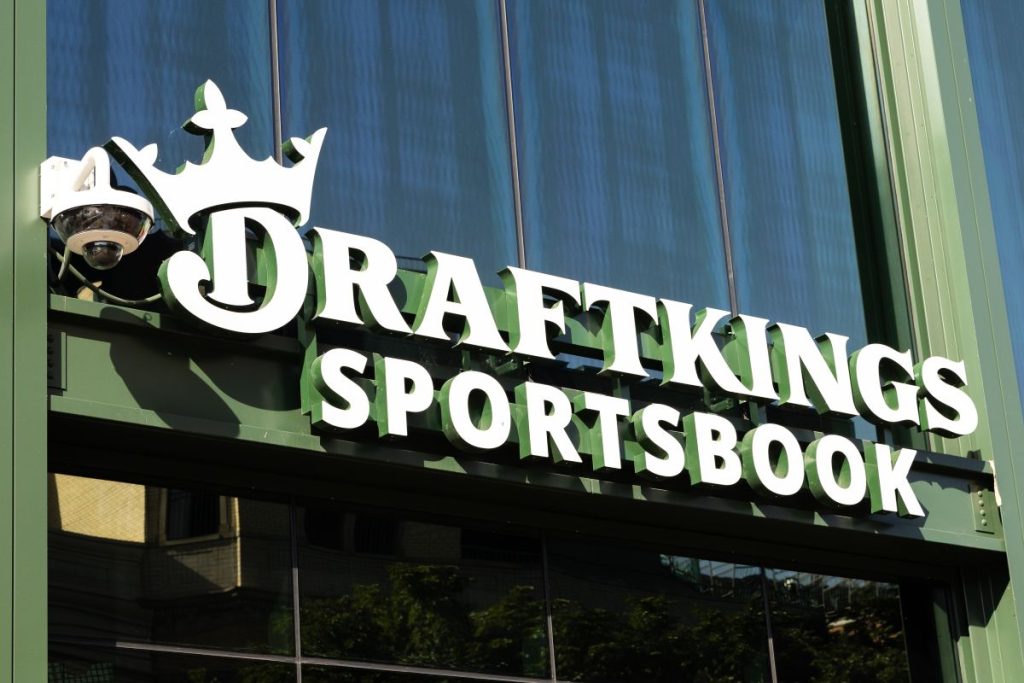
A sign for a retail DraftKings Sportsbook in the U.S.
Image: Joseph Hendrickson / Shutterstock.com

“Canada remains an important part of DraftKings’ continued growth, and this exclusive deal with Prime Video creates an exciting new way to connect with hockey fans throughout the season,” said DraftKings Chief Marketing Officer Stephanie Sherman. “NHL on Prime brings together the sport’s most passionate audiences, and we look forward to creating engaging experiences around the games and moments fans care about most.”

In Alberta specifically, DraftKings could look to establish an even stronger presence with future partnerships.

“Absolutely, we are exploring and are going to explore sports partnerships,” DraftKings co-founder and President of Operations Paul Liberman told Canadian Gaming Business in Edmonton on the province’s market launch day, July 13. “You get such passionate fanbases here, and loyal. I think it’d be crazy not to explore that. Hopefully, it’ll come with time.”

Liberman also floated the idea of exploring the potential for establishing a retail sportsbook at a pro sports stadium, something which Alberta’s iGaming regulations allow.

“We’ll see how that evolves. Those are conversations that happen. You know, if it’s at the Oilers stadium, maybe it makes sense.”

Operators strengthen Canadian sports ties

DraftKings is one of several major iGaming operators in regulated Canadian online gambling markets that have recently announced a sports-focused partnership aimed at a Canadian audience.

For example, PENN Entertainment-owned Canadian sports and gaming brand theScore Bet is not only now an official partner of the Canadian Football League (CFL) but also the prominent presenting partner of the league’s new app and its free-to-play CFL Fantasy game.

Meanwhile, BetMGM and the Minnesota Vikings announced this month that the operator is the NFL franchise’s official sports betting and online casino partner in Canada.

Century Casinos to sell Alberta’s Century Mile and Century Downs as it focuses on US

Century Casinos announced on Monday it will sell the racing and gaming operations at two of Alberta’s most prominent racetracks as it looks to reduce its debt and focus on its U.S. gaming operations.

The Colorado-headquartered operator has agreed to sell the operations at Century Downs Racetrack and Casino in Calgary and Century Mile Racetrack and Casino in Edmonton to Highfield Investment Group for approximately US$16.4m (C$23.2m), which the company said represents a 6.1x multiple of FY 2025 EBITDA.

The racinos sale is expected to close in the fourth quarter of 2026 or the first quarter of 2027, subject to all customary regulatory approvals and closing conditions.

“As part of our ongoing strategic review process, the sale of Century Mile and Century Downs racinos is an important step towards concentrating our resources on our U.S. properties, where we see the strongest opportunities for growth,” said Century Casinos’ co-CEOs Erwin Haitzmann and Peter Hoetzinger.

“This transaction improves our financial flexibility and operational efficiency as we focus on our core U.S. assets.”

How many Alberta casinos does Century Casinos own?

As alluded to by the CEOs, Century Casinos has been reevaluating its longstanding presence in Alberta in recent years.

The company owns and/or operates 11 casinos in North America, including in its home state of Colorado as well as Missouri and others. Currently, it runs more gaming venues in Alberta than in any other North American jurisdiction, with four:

  • Century Casino St. Albert
  • Century Casino & Hotel in Edmonton
  • Century Downs Racetrack and Casino in Calgary
  • Century Mile Racetrack and Casino in Edmonton

Century Casinos owns only the operations at its Alberta sites, having sold the real estate of all of its Alberta properties to VICI Properties in 2023.

The two commercial casinos, Century Casino St. Albert and Edmonton’s Century Casino & Hotel, are not affected by the Highfield transaction.

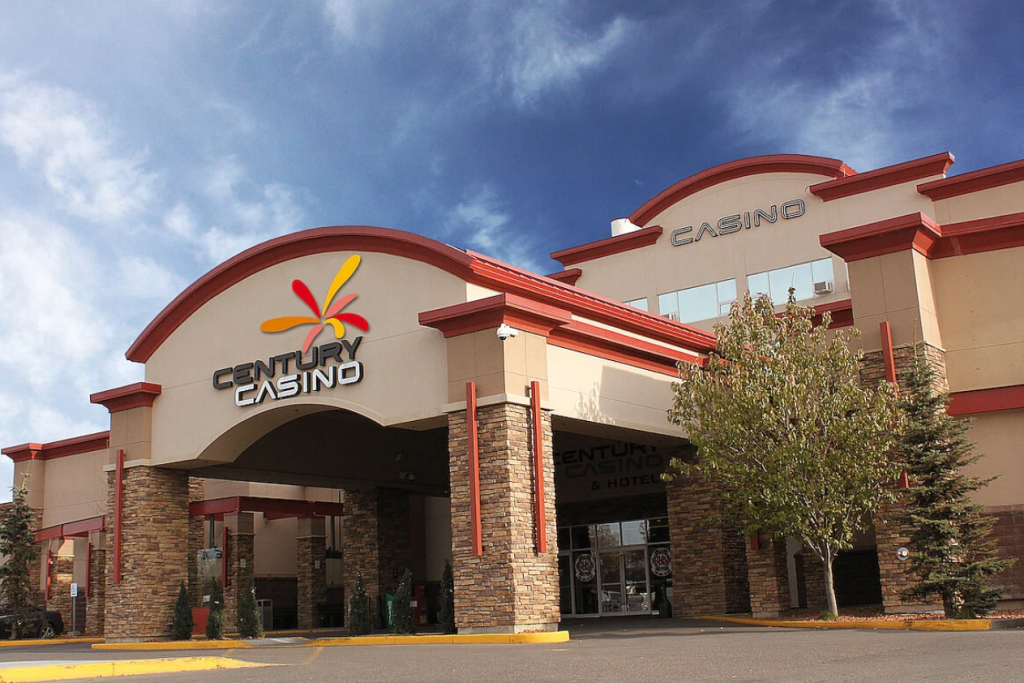
century-casinos-earnings-call-divest
Century Casino Edmonton, which is not part of the Highfield sale. Image: Century Casinos

Century forecasted Alberta sales amid net loss

Over the last 18 months, Century’s leaders have signposted that Alberta sales were likely. In March 2025, the CEOs said that selling off any non-U.S. operations, which also includes a controlling stake in Polish operator Casinos Poland Ltd., was under consideration, with Hoetzinger specifically referencing flat revenue from its Canadian business.

In August 2026, Century Casino’s Q2 2026 results showed that while all four of the company’s Alberta locations produced more revenue than they did in the same period in 2025, the aggregated Canadian revenue was still lower than all of Century’s U.S. geographic segments.

Most pertinently for Century’s leaders, the net loss attributable to shareholders from the Canadian operations almost doubled year over year in Q2, from US$599,000 to US$1.15m (approximately C$1.6m).

Century Casinos said in Monday’s press release that it will use the proceeds from the sale of the two racinos to reduce its indebtedness and its lease-adjusted net leverage. It also expects the sale to reduce its annual rent by approximately US$7.5m (C$10.7m).

Century Casinos could leave Alberta entirely

While the transaction announced on Monday involves only the two racinos, Hoetzinger confirmed to Canadian Gaming Business on Monday that “there is strong interest from other parties” in acquiring the two commercial casinos, Century Casino St. Albert and Edmonton’s Century Casino & Hotel.

Those comments suggest that there’s a very real possibility that Century Casinos could leave the province entirely, as leadership continues to focus more narrowly on its U.S. business.

Hoetzinger previously revealed on an earnings call in August, at the time of the company’s last financial update, that Century Casinos was considering multiple options for all of its Alberta properties, including selling all four in one transaction or striking separate deals for the racinos and the commercial casinos.

Century opted not to pursue Alberta iGaming

We already know that, unlike some other brick-and-mortar casino operators such as River Cree Resort & Casino and PURE Casino Entertainment, the latter of which has been greatly expanding its Alberta casino portfolio in recent months, Century Casinos has no intention of launching an online gambling platform in Alberta’s new iGaming market.

The company’s EVP of Operations for Canada and Europe, Nikolaus Strohriegel, confirmed to Canadian Gaming Business in July, around the time that Alberta opened its commercial iGaming market, that the company had no plans to offer online gambling in the province.

One option that remains on the table for the operator’s two remaining Alberta casinos is partnering with commercial sports betting operators to offer retail sportsbooks. “Some of those sports betting companies have knocked on our doors, and we are in, let’s say, early-stage talks,” said Hoetzinger on August’s call.

However, his latest comments suggest that the most likely scenario might be a total withdrawal from the province.