Search
Choose a style
Dark
Light

Q&A: BET99’s Andrew Garven on gambling affiliate success in the modern age

Canadian gaming operator BET99 has carved out a corner of the North American gaming market through its community-focused approach to gambling, sports, and entertainment.

The company’s Head of Affiliate and Content Marketing, Andrew Garven, will be speaking at SBC Summit Americas in Fort Lauderdale, Florida, next week about the modern affiliate marketing landscape in the gambling industry. Ahead of the event, we caught up with the former Covers brand strategy and marketing lead to pick his brain.

What has it been like for you transitioning from years as brand strategy and marketing lead at Legend to working on the operator’s side of the table at Bet99?

Garven: Transitioning from Legend to the operator side at BET99 has felt like a natural progression of the long-term goal I set from day one in iGaming. Coming from regulated CPG, most recently cannabis, where I experienced both pre- and post-legalization firsthand, I understood early that Canada’s gaming market would create clear winners and losers.

Legend was the ideal opportunity at that stage because it gave me a broad North American view of the industry. I was able to build strong operator relationships while developing a deep understanding of different business needs, whether supporting Tier 1 brands focused on retention and lifetime value or challenger brands aggressively pursuing acquisition.

That experience built an incredibly strong strategic foundation, but moving operator-side has allowed me to apply those insights directly within the business. Instead of advising from the outside, I’m now helping shape brand, acquisition, partnerships, and community from within, where strategy, execution, and commercial outcomes all intersect.

Having a front-row seat to BET99’s growth during my time at Legend also gave me the confidence that I had found the right culture fit and that I could step in and make an immediate impact.

BET99 considers itself a Canadian-focused entertainment company, not just a gaming brand. What has the approach been to the market, and what makes BET99 stand out from the crowd?

Garven: BET99’s approach has been rooted in thinking differently about what an iGaming brand can be in Canada, and our CEO, Jared Beber, deserves tremendous credit for that vision. From day one, Jared recognized that winning in this market wouldn’t come from simply replicating the playbook of large global operators. It required building something authentically Canadian for Canadian consumers.

What truly sets BET99 apart is our focus on community, cultural relevance, and strategic partnerships that go far beyond transactional marketing. Whether it’s through sports with the NHL, live entertainment with Live Nation, creator partnerships with icons like Georges St-Pierre, or hospitality through watch parties and local activations, our goal is to create genuine consumer connection.

We’re building a brand deeply embedded in Canadian culture. Our community of 99ers sees us at the same events they attend, whether big or small, and within the moments that matter most to them. That Canadian-first, community-driven approach is what keeps BET99 differentiated and top of mind in an increasingly crowded market.

The affiliate space has evolved so much in recent years, sometimes painfully for some stakeholders. How do you anticipate what comes next?

Garven: I believe the future of affiliate marketing in iGaming is a major shift from pure acquisition to full-funnel audience ownership. The traditional model built primarily on SEO, rankings, and first-time deposit conversions is becoming increasingly limited.

The next generation of successful affiliates will need to operate more like modern media companies: multi-channel, personality-led, and community-driven. Like leading media brands in finance, sports, or entertainment, affiliates must build trusted audiences across social, video, email, creators, and owned communities.

More importantly, affiliates have an opportunity to evolve beyond customer acquisition and become valuable retention partners. The future is not just telling consumers where to bet, but helping shape what to bet and why. By leveraging content, first-party data, loyalty ecosystems, and ongoing engagement, affiliates can help operators maintain relevance long after initial conversion, driving greater lifetime value.

Image: SBC

How would you compare the U.S. and the Canadian gaming affiliate sectors?

Garven: The U.S. affiliate sector is generally further ahead in its evolution, largely due to larger market size, state-by-state launches, and bigger capital investment. Many leading U.S. affiliates have already transitioned from traditional SEO models into fully developed multi-channel media businesses spanning social, video, creators, email, and retention.

Canada, while growing quickly, especially in Ontario, has been comparatively more cautious. Many affiliates have been waiting for broader provincial regulation before making the same scale of infrastructure and brand-building investments seen south of the border. That said, Canada’s opportunity is significant. As regulation expands, affiliates have the chance to build smarter, trust-led, multi-channel businesses from day one rather than simply replicating older models.

How would you advise an affiliate leader to handle negotiating the varying regulatory and operational differences between jurisdictions?

Garven: I think strong affiliate leaders need to approach each jurisdiction as its own distinct market. Every region comes with different regulatory frameworks, operational realities, and cultural nuances, so a one-size-fits-all strategy simply isn’t effective. Success comes from building localized playbooks around compliance, contracts, and consumer acquisition while leveraging strong regional expertise.

The best leaders view compliance not as a barrier, but as a competitive advantage that builds trust, reduces operator risk, and supports long-term scalability. Ultimately, it’s about pairing centralized strategic oversight with localized execution, balancing commercial growth, regulatory adaptability, and consumer trust. Take Canada as a perfect example: Ontario is a mature, highly competitive market, while Alberta represents a newly regulated opportunity. While there may be regulatory similarities, your Alberta playbook in 2026 cannot mirror Ontario’s. Market maturity, consumer education, and acquisition strategy all need to evolve accordingly.

Trust is integral to success in the affiliate space. How do you build it and sustain it?

Garven: “Trust takes years to build, seconds to break, and forever to repair.”

One of my biggest criticisms of legacy iGaming affiliate leaders in recent years is that many prioritized short-term profitability over long-term consumer trust. As traditional SEO models became more challenged, editorial integrity in areas like top lists often declined. At the same time, operator brands invested heavily across multiple marketing channels, making them far more recognizable to consumers. If a user visits an affiliate site and doesn’t see credible, familiar brands reflected in rankings, it can quickly erode years of built trust. In a regulated market, trust is everything. Once you compromise it for short-term gains, it becomes incredibly difficult to rebuild.

The strongest affiliate leaders understand that maintaining editorial credibility and consumer confidence is essential for sustainable growth.


BET99’s Andrew Garven will be speaking at the SBC Summit Americas Affiliate Leaders Summit on Wednesday, June 10, on a panel entitled ‘Content That Travels: Affiliates Thinking Beyond Borders‘. You can register for tickets here.

Casino.org’s Chris Jonat analyses Canada’s iGaming industry

Canada’s iGaming industry is going through big changes. Recent years have seen some provinces overhaul their legislation in response to evolving consumer demands and changing economic conditions. The result is that things are slowly but surely opening up for consumers, with Ontario offering its residents access to licensed international operators, and Alberta soon to follow.

During periods of change like these, consumers can be left caught in the middle. With Canada’s patchwork approach to gambling legislation in mind, it’s little wonder that players might not always feel they’re on steady ground when choosing online platforms to play at.

To glean some clarity on the issues faced by Canadian online casino players, we spoke to expert Chris Jonat. During the last fifteen years, Jonat has worked with major operators and start-ups before moving into affiliates. With all that experience, he was an ideal fit to talk about how the industry has developed, and what’s next for Canadian iGaming.

First of all, could you give our readers a rundown on the current state of affairs in Canada’s iGaming scene?

Chris Jonat
Image: Casino.org

The first thing to understand is that there is no official ‘national license’. That’s because iGaming laws operate on a provincial level. The federal Criminal Code only allows gambling when it’s conducted and managed by a provincial authority. As a result, it’s up to provinces to decide what kind of iGaming market they want.

At the moment, Canada only has one truly open market, and that’s in Ontario. Alberta is well on the way to launching its own competitive market later this summer. Every other province maintains a government-run monopoly through its lottery corporation. British Columbia, Québec, Manitoba, Saskatchewan, and the Atlantic provinces all offer legal online casino and sports betting exclusively through their own platforms, with no pathway for private operators. 

The three northern territories provide only limited lottery products and no dedicated online casino framework. As a result, Canada’s legal environment is a mix of one liberalized market and a broad set of tightly controlled provincial monopolies, with offshore operators continuing to exist in a grey zone outside any formal licensing.

What makes Ontario’s open market different from those of other provinces?

Ontario’s open iGaming market stands apart because it is the only province that has built a regulatory framework designed for competition rather than a single government‑run platform. It created a dual‑entity system in which AGCO regulates, and iGaming Ontario conducts and manages gaming. Meanwhile, private operators run their own brands, technology, and customer experiences. 

The result is a market that looks more like a European licensing regime than a Canadian lottery model. Players benefit from a wider selection of platforms, games, and bonuses. In contrast, the offerings available in other provinces are limited in both variety and quality. Many Canadians prefer to use offshore casinos instead of their local government-run platform for this reason.

What is the latest update in Alberta?

Alberta’s regulated sports betting and iGaming market is due to launch on July 13th. Dale Nally, the minister in charge of the regulatory overhaul, recently said that they were considering a slightly earlier launch, but settled on the July date at the request of operators. A lot of planning goes into the process, so understandably, everyone wants to be 100% ready on the day.

This has all been rumbling along for several years now, with a market launch suggested as far back as 2024. Bill 48 was passed in May 2025, setting Alberta on its present course. Since then, ministers have been busy building up infrastructure to make the market safe, secure, and fair for players. At the moment, 28 operators have confirmed their interest in obtaining Alberta licenses, and many more will likely join.

What are the benefits of an open iGaming market?

At this point, we know that the government monopoly model doesn’t really work. The quality just isn’t there, and so most players prefer to use offshore platforms. That isn’t inherently a problem if it is done safely. However, it does leave consumers vulnerable to scams and less scrupulous sites. That’s why the role of affiliate sites like Casino.org has become so important in terms of enabling players to make safe and informed choices.

In contrast, a regulated open market gives players the choice and quality they deserve as well as robust consumer protections. The local regulator holds operators to account, ensuring high standards and the safety of players. Healthy competition between operators also keeps the standards of offerings up.

For the province, there are significant economic benefits. When players use offshore casinos, provinces lose out on potential revenue. Ontario’s model captures that revenue and directs it toward public services, where it helps everyone. While online casinos in Canada don’t need to tether themselves to local land-based casinos, iGaming does help to create new local employment opportunities.

Do you think that any other provinces will follow in the footsteps of Ontario and Alberta?

So far, we can only speculate, but it seems likely that some of the bigger provinces will follow suit. Ontario has proven that a competitive market can be safe, taxable, and appealing to residents. Other provinces are watching closely, but each faces its own political, economic, and institutional barriers.

Let’s take BC and Québec, for example. Both provinces have strong, entrenched lottery corporations that generate reliable revenue and have little incentive to open their markets. However, both are facing growing pressure as offshore play continues to erode the relevance of their monopolies. 

The Atlantic provinces are even less likely to liberalize in the near term, because their populations are small and the ALC model is deeply integrated across four jurisdictions. Manitoba and Saskatchewan sit somewhere in the middle, acknowledging the impact of offshore casinos but not yet displaying the political appetite to restructure their systems. 

The most realistic scenario, in my mind, is a slow and staggered approach. Provinces will be keenly watching how things shake down in Alberta. If it can demonstrate how a competitive model can coexist with responsible gambling priorities, that could move the conversation on significantly. One or two mid-sized provinces may well follow, then.

Ontario didn’t just open up its market; it changed the game. Other provinces are eventually going to have to respond, even if that takes time.

Alberta: the new sheriff in town? 

All eyes are on Alberta as the market gears up for its July 13 launch date. The regulator has been named, the finer details of the regulations have been polished, and industry operators and suppliers are already in the process of registering for a licence.

But in the weeks running up to that all-important go-live date, there are still a lot of questions that need to be answered: Who will go-live from day one? Can Alberta emulate the success seen in Ontario? Is the hype going to pay off? 

At SBC Summit Canada last week, if you listened into the conversations taking place across the expo floor, you’d find that the overwhelming majority of people are confident that Alberta is most certainly going to live up to expectations. However, as with any new market launching, there are going to be a number of challenges too.

For Soft2Bet’s VP of Business Development, Harrison Barrett, one of the biggest challenges that face operators entering the newly regulated market is not only ensuring that you deliver a product that appeals to players, but also ensuring that your strategy is truly localized to the Alberta market. 

Harrison Barrett, VP Business Development, Soft2Bet

Speaking on a panel entitled ‘Alberta: The new sheriff in town’ last week, Barrett shared that Soft2Bet has already had great success in the Ontario market; entering Alberta gives the provider the opportunity to leverage the lessons learned in Ontario, and ultimately use that experience to deliver stand-out experiences for players.

He said: “When we’re talking with our prospects and partners ahead of the Alberta market launch, we’ve been able to ultimately present a product-first led strategy as the market looks to go live. An example of that with Soft2Bet, is our Motivational Engineering platform that allows players to ultimately put the product first. 

“We understand that some of the smaller operators don’t have the budget to go toe to toe with the big guys on things like acquisition or bonus offers. So, for us, it’s really about making sure that the product is the best it can be, and making sure that our partners are as competitive as they can be. 

“We look at how we can put the product first, how we can keep those players within our ecosystem and ultimately extend that player lifetime value – that’s particularly important in the first few months of the market going live. It’s important for our partners to ultimately make sure that they’re as competitive as they can be.”

You can be a global company, but you must think local

With more than 31 sportsbooks and casinos registered for a licence from Alberta Gaming, Liquor and Cannabis (AGLC) – six of those platforms planning to launch multiple brands – the market is already shaping up to be a busy one. 

However, Barrett warned that operators must err on the side of caution when it comes to replicating the strategy that they might have used in Ontario. A new market, he said, requires a totally different approach – in terms of marketing, product, compliance and innovation. 

“Alberta is a very different, different province, and it carries different characteristics and different players,” he continued. “Having spent some time in Alberta – Calgary, Edmonton, and a few other places – it’s been so important that we try to demonstrate that we understand the local element.

“We tried to showcase our knowledge of the local market with ToonieBet in Ontario and play on that Canadian association. But now, as we move forward into Alberta, it’s ensuring that we take that layer of localization even further. How do we create a true association that resonates with Albertans? And for our partners, how do we make sure that they can contribute to the local market?”

Andrew Murano, Assistant Vice President of Business Development and Government Affairs at bet365

This emphasis on localization was echoed by fellow panellist Andrew Moreno, Assistant Vice President of Business Development and Government Affairs at bet365. Headquartered in Stoke-on-Trent in the UK, bet365 has certainly made a name for itself in markets all around the world; and, as of this week, it has outlined its plans to debut its platform in Alberta.

But with over 20 years of experience launching in different jurisdictions, Moreno shared that bet365 takes a “very hyper-localized approach to every single market launch that we have”.

“I think that is the way that you build trust with the players, showing them that you know the market, that you can showcase your products and how it’s adapted to local players. That strategy has been something that we’ve been doing for quite a while,” Moreno said. 

“Every single state that we’ve launched in the United States is the same way. We’re very hyper localized, we know that what works for players in Missouri doesn’t necessarily work for players in New Jersey.

“Of course, the only time that a one size fits approach applies is to consumer protection and responsible gaming. Those are principles that never go away; you want to be to the highest standards when it comes to that. At bet365, we ensure that every marketing strategy that we have for every single locality is subject to a very robust review process, responsible gaming and consumer protection process.”

Not all Canadian markets are the same

The comparisons between Ontario and Alberta have, arguably, been inescapable. It’s been a few years now since Ontario launched its regulated framework; during that time, the market has gone from strength to strength – recently hitting a record-breaking month in terms of amount wagered during the month.

Ron Segev, Founding Partner of Segev LLP

But sportsbooks and casinos must ensure that those comparisons don’t creep into replication of strategy. For Ron Segev, Founding Partner of Segev LLP, Alberta should be treated as an entirely different kettle of fish. 

“It’s critically important to understand that Edmonton and Calgary are two completely different places. It’s almost like a different country. Western Canada is then completely different to the rest of Canada.” 

At the beginning of the session, Segev focused his attention on some of those key differences between the two provinces – particularly how Alberta has learnt from some of the mistakes made during the early days of Ontario launching.   

“Alberta didn’t really reinvent the wheel. So many hallmarks of the Alberta approach will be instantly recognizable. Similar to Ontario, Alberta will have a dual entity structure, where we have a regulator and Crown Corporation, which is your commercial partner. 

“I think the big difference, with all due respect for the great job that the AGCO did, was that Alberta has the benefit of hindsight and the ability to make some improvements after gauging how effective the Ontario regime was. In my experience, the most effective change for the registration process was to just inject a little bit more foreseeability and transparency with respect to the fee structure, especially for investigations. 

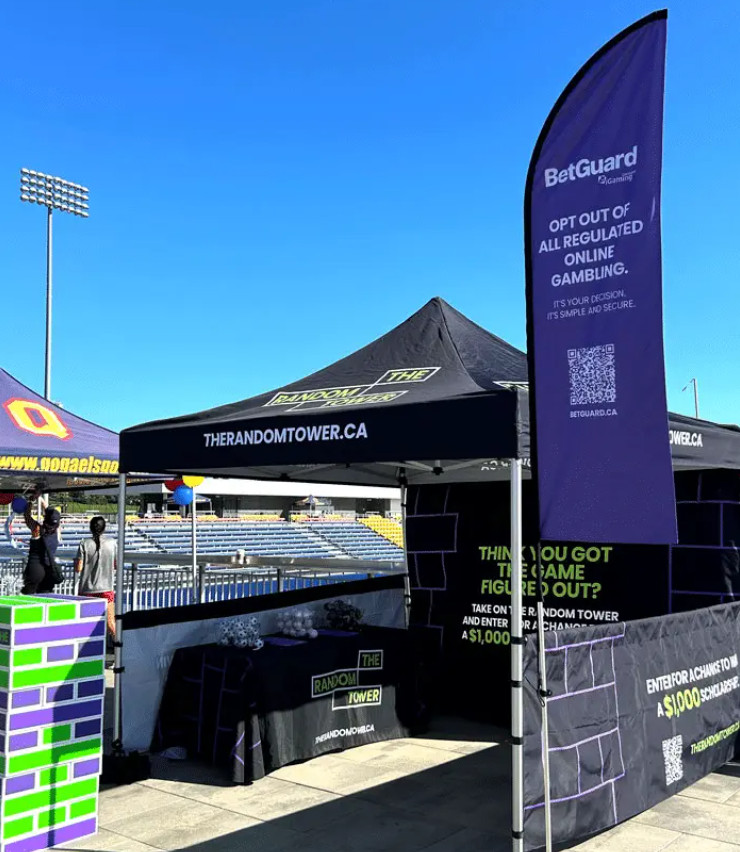
“I think Alberta took a good approach. It’s just a $50,000 application fee. Alberta also has a centralized self-exclusion from day one. Ontario recently adopted the BetGuard platform. Alberta requires you to API into their self-exclusion platform before launch. It’s the same for responsible gambling requirements. Ontario gave some runway to adopt that.” 

SBC Summit Americas to address new realities of affiliate growth in Latin America

SBC Summit Americas will examine how affiliates can adapt to Latin America’s rapidly evolving gaming landscape through its dedicated Latin America Marketing and Affiliates conference track, taking place on Thursday, June 11, at the Broward County Convention Center.

As operators across the region place greater emphasis on retention, localization, and long-term player value, the track will explore how affiliates are evolving their acquisition strategies, content formats, and commercial partnerships to remain competitive in an increasingly mature market.

The track forms part of SBC Summit Americas six-stage conference agenda, covering sports betting and casino, affiliation, leadership, player protection, payments and technology, and regulation, with each stage alternating between North and Latin America across the two-day event.

“Latin America continues to present huge opportunities for affiliates, but success in the region is becoming far more sophisticated,” said Rasmus Sojmark, founder and chief executive of SBC.

“Operators are no longer simply looking for traffic at scale. They want partners that understand local audiences, can create trusted and engaging content, and ultimately contribute to long-term player value. This track will give delegates practical insight into how those expectations are reshaping affiliate marketing across the region.”

One of the key sessions, Affiliate Leaders 2026: Strategies for the Next Wave of Growth, will examine how affiliates are adapting as Latin America’s gaming market moves beyond explosive growth and into a more strategically mature phase. 

Panellists Florencia Brancato (chief strategy officer, Azar Latino) and Pablo Espuela (head of corporate development, BETANDEAL), will discuss how acquisition strategies, operator expectations, and market priorities are changing across the region, while identifying which markets offer the strongest long-term opportunities.

The session Emerging Channels and Formats: Diversifying your Output will then shift focus to how affiliates are using more immersive, mobile-first content to reach a new generation of players. 

Panellists Cristian Barbosa (COO and co-founder, InsightPlay.ai), Matheus Estrella (head of latam, Z2A Digital), Miguel Gonzalez (director comercial, Byads), Christopher Guzman (head of affiliates, Logrand) and Alex Junior (head of business and brand, TREVO Influencia) will explore formats such as live streaming and short-form video, as well as how niche content can help affiliates build stronger trust with their target audiences.

The track will then turn to the evolving relationship between operators and affiliates in Latin America. The Operator / Affiliate Partnership Imperative: From Acquisition Volume to Player Value panel will see Christopher Guzman (head of affiliates, Logrand), André Machado (CCO, Clever Advertising) and Felipe Maturana (media and sponsorship, Jugabet) explore how the industry is moving beyond CPA-focused acquisition strategies and towards partnerships centred on retention, localisation, and long-term player value.

Alongside the conference program, affiliates attending SBC Summit Americas will have multiple opportunities to connect directly with operators, affiliate managers, and marketing teams from across the region through networking events, meetings, and exhibition floor discussions designed to encourage new commercial partnerships and regional collaboration.

For affiliates looking to build stronger operator relationships, SBC Connections formats such as The Briefings will offer a more focused way to meet relevant contacts. These topic-led breakfast and lunch discussions will cover areas including affiliate marketing, adtech, player acquisition and CRM, helping delegates move beyond chance encounters and connect with people focused on the same commercial priorities.


Want to attend SBC Summit Americas?

Operators and affiliates can apply for a complimentary VIP pass, granting full access to the event, including conference sessions, the exhibition floor, and premium networking opportunities

All other attendees can choose from a range of ticket options tailored to different goals and budgets, from expo-only access to full VIP experiences. Secure your pass and explore your options here.

SBC Summit Canada reinforces role as industry’s meeting point amid Alberta momentum

SBC Summit Canada returned to Toronto last week, bringing the industry together at a pivotal moment for the Canadian gaming sector, as Alberta’s upcoming regulated market launch accelerated conversations around regulation, responsible gambling, advertising reform, cybersecurity and future market expansion.

Held at the Metro Toronto Convention Centre from May 19-21, the event marked the first edition under the SBC Summit Canada name following its rebrand from the Canadian Gaming Summit. 

Rasmus Sojmark, CEO & Founder of SBC, said: “This year’s event showed just how important Canada has become within the global gaming industry conversation. The level of discussion, the calibre of attendees and the urgency around topics like Alberta, regulation and player protection demonstrated a market that is evolving rapidly.

Across three days, the summit brought together operators, suppliers, regulators, government representatives, affiliates, sportsbooks, responsible gambling organisations, payment providers and technology companies for what many described as the industry’s central meeting point in Canada.

The timing of this year’s event placed Alberta firmly at the centre of industry discussions, with Alberta Minister of Service Alberta and Red Tape Reduction Dale Nally delivering a keynote titled “Launching Alberta’s Safe, Regulated iGaming Future.” 

SBC Summit Canada reinforces role as industry’s meeting point amid Alberta momentum

Alberta’s incoming market remained one of the defining themes across the summit, with representatives from Alberta iGaming Corporation (AiGC) and AGLC also in attendance, while Dan Keene, CEO of AiGC, joined Martin Lycka for a live edition of The Safe Bet Show to discuss the province’s evolving regulatory framework and responsible approach to market launch.

Keene said the event played a crucial role in helping industry stakeholders prepare for launch discussions.

“We’re not here to grow the gaming market, we’re here to channel the illegal market into the legal and regulated space,” he said.

He added: “If my schedule over the last two days has been any indication, it’s been great. It’s been back-to-back meetings and engagements. Very fulfilling and full of meaningful connections.”

Across the conference agenda, discussions focused heavily on the regulatory and operational challenges shaping the industry’s next phase of growth. Panels explored advertising reform, AI, cybersecurity, compliance, player protection, payments and evolving omnichannel strategies, alongside the opportunities presented by the 2026 FIFA World Cup.

Tom Burdakin, Marketing Vice President at FanDuel, said: “Everybody’s really excited about Alberta and the World Cup, and I think a year from now, when we’re all back at this summit, we’re gonna look back on those two moments as ones that transformed the industry a little bit.”

Burdakin also highlighted the increasingly international profile of the event, noting: “It’s amazing how many folks are coming up from the US, from Europe, in order to attend this event in Toronto.”

While 64.6% of attendees were based in Canada, the summit also attracted a significant international audience, reinforcing Canada’s growing importance within the global gaming industry conversation.

The exhibition floor featured companies spanning sportsbook technology, payments, compliance, marketing, AI, data, lottery and casino solutions, reflecting the breadth of the Canadian gaming ecosystem and the increasingly interconnected nature of the industry.

SBC Summit Canada reinforces role as industry’s meeting point amid Alberta momentum

Tracy Parker, SVP, Accreditation, Advisory & Insights at the Responsible Gambling Council, said the event reflected the increasingly collaborative nature of the Canadian industry.

“The cross-sector collaboration is something that I see happening in the creative content and the programs,” she said. “There is a really vibrant mix of land-based gaming, iGaming, charitable gaming, and lottery stakeholders here.”

Thomas Metzger, CEO of Lotto.com, said: “You really get your name out there, you get to tell your story, you get to have productive dialogue about where the industry is going with other CEOs.”

Paul Pellizzari, Vice President – Global Social Responsibility at Hard Rock International, said: “It is the only event in Canada where you will get balanced representation from across all types of players in the industry.”

Nearly half of attendees held senior decision-making positions, reinforcing the summit’s position as a high-level business and policy forum for the Canadian market, with executives, regulators and industry leaders using the event to drive strategic conversations and build new partnerships.

Amanda Brewer, SVP Policy & Communications at the Canadian Gaming Association, said: “When you look at the type of networking events that take place here and the caliber of people who are attending, you’re definitely seeing a lot of C-suite VIP level and above.”

Jeff Laniado, Director of Sales at Optimove, highlighted the breadth of representation across the industry, adding: “Earlier today, I met with a C-level executive from a tier-one operator, so really everybody from every size operator and every area of these companies seems to be represented.”

Mark Wrigley, Head of Betting at F1, said the seniority of attendees was key to the value of the event: “It’s crucial that we’re speaking to those decision-makers at that high level because that’s ultimately where we want to have those dialogues, really drive things forward, and get buy-in from the whole company.”

“SBC Summit Canada has become the place where the industry comes together to discuss what happens next, and we’re incredibly proud to provide that platform,” Sojmark added.

With Alberta’s market launch approaching and industry attention increasingly focused on Canada’s evolving regulatory landscape, the conversations and partnerships formed in Toronto are expected to shape the sector’s next phase of growth well beyond the summit itself.

SBC Summit Canada will return to Toronto from 15–17 June 2027. For sponsorship and exhibition enquiries, contact [email protected] 

Leo Perri, Delta Bingo & Gaming: scaling a brand that is rooted in community trust

Speaking to Canadian Gaming Business ahead of the upcoming SBC Summit Americas, Delta Bingo & Gaming CEO Leo Perri explores how its Delta Casino brand has established an edge in Ontario’s increasingly competitive iCasino market.

Delta has over 60 years of experience in the land-based gaming sector, and as you can imagine, the industry has undergone some tremendous changes during that time. Drawing upon that foundation, Perri discusses the three pillars that shape Delta’s strategy, and the secrets to creating a brand that players want to come back to.

Can you tell us more about Delta Bingo and Gaming’s long history in land-based charitable gaming in Ontario and the U.S.?

Delta Bingo and Gaming has been part of the fabric of charitable gaming in Ontario for over 60 years. What started as a straightforward bingo hall operation grew into something much more meaningful, a network of venues that last year have helped raise over $40 million for local charities and community organizations across the Province of Ontario. We currently operate 18 locations in Ontario and 2 locations in the State of Maryland.

What we are most proud of isn’t the number of locations or the revenue figures, it’s the relationships. The charities we support, the staff who’ve been with us for decades, and the players who treat our venues as a genuine gathering place. Charitable gaming is different from commercial gaming in a meaningful way: every dollar wagered has a community purpose behind it. That’s been our north star since day one, and it still is.

Delta has made notable moves into iGaming, beginning with iBingo. What does a compelling, modern iBingo offering look like, and how does Delta engage mobile and online players in a way that resonates and lasts?

When we looked at iBingo, we didn’t want to just digitize a bingo card and call it done; that would have missed the point entirely. The thing that makes bingo special, in any format, is the sense of shared experience and community. You’re not playing alone; you’re part of something. Our challenge was: how do we recreate that online?

What we landed on was a focus on live chat, special events and the structure of our jackpots. We’ve worked hard to make sure the interface feels intuitive for players who are new to online gaming while still being rich enough to keep experienced players engaged.

Mobile is central to everything we do. A significant number of our online players are on their phones, so the experience has to be seamless, fast, and genuinely fun on a screen.

Last year saw the launch of Delta Casino, with a mobile app following in 2026. How is Delta Casino uniquely positioned in such a competitive iCasino market? What sets it apart?

The Ontario iCasino market is crowded and very competitive. There are well-funded international operators with large marketing budgets competing for the same players. So, we’ve had to be thoughtful about where Delta Casino can genuinely win.

Our edge comes from a few places. First, trust. We have decades of land-based operating history in Ontario. Players and regulators know who we are. That kind of credibility is something we’ve earned over time. Second, our community connection is authentic. We’re a local operator with real people, real venues, and real charitable partnerships. All of our employees are in Ontario, which includes our chat and customer service. That resonates with a segment of players who want to feel good about where they play and who they connect with.

On the product side, we’ve focused on our bingo product replicating the sense of community achieved in a land-based centre.  On the casino side we have looked to replicate popular titles on our slot products while also introducing suppliers that only offer products in the online space. The mobile app launching in 2026 was a big step as it allows us to better communicate and deepen our relationship with players who prefer gaming on the go. We’re building this for the long term, not chasing short-term acquisition at the expense of experience. Something about sustainable committed experience that will grow based on the feedback of our community of players. 

In today’s online gaming world, what keeps a player coming back to a particular iGaming platform rather than looking elsewhere?

It comes down to three things: trust, value, and feeling seen.

Trust means the platform works reliably, payouts are fair and fast, and the operator behaves with integrity. Players are savvy – they talk to each other, they read reviews, and they know when something feels off. We take that seriously.

Value doesn’t just mean bonuses, though those matter. It means the overall experience feels worth the player’s time and money. Are the games fun? Is the platform easy to navigate? Do the bonusing programs actually reward them in ways they care about? We’re continually looking at our offers to make sure they’re genuinely compelling and fair with uncomplicated play-through requirements.

And feeling seen is perhaps the most underappreciated factor. Players want to feel like the platform knows them, their preferences, their history, their milestones. Personalization, done responsibly, is a powerful retention tool. When someone hits a big win or reaches a milestone, we acknowledge that in a meaningful way that goes a long way.

How can operators balance creativity, engagement, and responsible gaming?

This is a question we feel strongly about, and we want to make sure that as an operator we don’t treat responsible gaming as a constraint on creativity but rather a part of it.

At Delta, our charitable gaming roots mean we’ve always operated with the community’s wellbeing in mind. That culture carries into our digital products. Responsible gaming features such as deposit limits, session reminders, self-exclusion tools, aren’t buried in a settings menu for us; they’re part of the player experience from the start. The entire team brings a culture of Responsible gaming at every level.

Where creativity and responsible gaming intersect well, in our view, is in how engagement is designed. You can build compelling loyalty programs, exciting promotions, and fun game mechanics without relying on predatory patterns. The best operators, the ones that build lasting businesses, understand that a player who feels in control and feels respected will stay with you far longer than one who burns out.

We also work closely with the Responsible Gaming Council of Ontario and iGaming Ontario to make sure we’re meeting and exceeding our obligations. Delta Casino has been RG Check certified since 2024; we believe this certification is a pillar to our RG culture. For Delta it’s not just compliance, it’s the right thing to do.

Can you tell us more about Delta’s plans in North America for the rest of 2026 and beyond?

We’re in an exciting moment for Delta. The foundation we’ve built over 60 years in land-based gaming gives us something many iGaming entrants don’t have: operational depth, community trust, and a proven ability to run regulated gaming responsibly at scale.

For the rest of 2026, the priorities are clear: continuing to grow our iCasino and iBingo player community, expanding into additional markets, including Alberta, and deepening the integration between our land-based and digital offerings so that our players have a seamless experience across every touchpoint.

Looking further out, we’re watching the U.S. market closely and seeking out potential expansion opportunities as they may arise. The regulatory landscape is evolving quickly, and we believe our current experience positions us well to move into new markets when the timing is right.

Above all, our goal is to grow in a way that stays true to who we are, a community-rooted gaming company that takes seriously the responsibility that comes with this industry. That’s what’s driven us for 60 years, and it’s what will guide us going forward.

Leo Perri will be speaking at SBC Summit Americas on a panel session entitled ‘Designing the Future of Play: Creativity Meets Casino’, on 10 June, 4:50-5:30PM EDT. You can register for tickets here.

bet365 takes next step in Canadian expansion with Alberta registration

UK-headquartered bet365 has become the latest gambling operator to join the party in Alberta ahead of the market’s launch in July. 

According to the registrations list of Alberta Gaming, Liquor and Cannabis (AGLC), the operator has completed the registration for both its online casino and sportsbook platforms to enter the province. 

bet365’s registration brings the total number of operators registered to 31, with six operators preparing to launch multiple platforms in Alberta. 

Other operators looking to launch multiple brands include: 

  • Bally’s: preparing to launch BallyBet and Monopoly Casino platforms
  • Cadtree Limited: registered five branded platforms
  • Caesars: plans to launch Caesars Palace, Horseshoe, and Caesars Sportsbook
  • DraftKings: has registered to launch both the DraftKings brand and Golden Nugget
  • Electraworks: expected to launch two platforms
  • Super Group: plans to launch six brands – Betway, Grizzly’s Quest, Jackpot City, Royal Vegas, Ruby Fortune, and Spin Casino

As per AGLC guidelines, any sportsbooks or casinos that are unable to complete their registration to enter the Alberta market before the July 13 launch date may request an extension of up to three months, subject to the regulator’s approval. 

However, should the deadline be extended to October 13, and the operator fails to register before the extended deadline, the AGLC has said that the operator may face permanent exclusion from Alberta’s online gaming market.

Who else plans to enter Alberta? 

So far, the number of operators expected to go live in Alberta from day one stands at 31, with BetVictor also added to the AGLC registrants list this week.

In addition, the other brands registered to enter Alberta include, but are not limited to:

  • Albertix Gaming Limited (Soft2Bet’s ToonieBet)
  • Bet99 
  • BetMGM
  • BetNova
  • Betty
  • Boyd Gaming-owned Pala Interactive’s Stardust Casino
  • Casino Time
  • Entain’s Sports Interaction
  • FanDuel
  • Lucky Days
  • PartyCasino
  • PENN Entertainment’s theScore Bet
  • AGLC-operated Play Alberta
  • Pure Casino Entertainment
  • River Cree iGaming
  • Rush Street Interactive’s BetRivers
  • PointsBet Canada

Can Alberta mirror Ontario’s success?

With Alberta becoming the second Canadian province to regulate online gambling, the industry is now going to be keeping a close eye on whether Alberta can mirror the success seen in the Ontario market. 

And the pressure is on. 

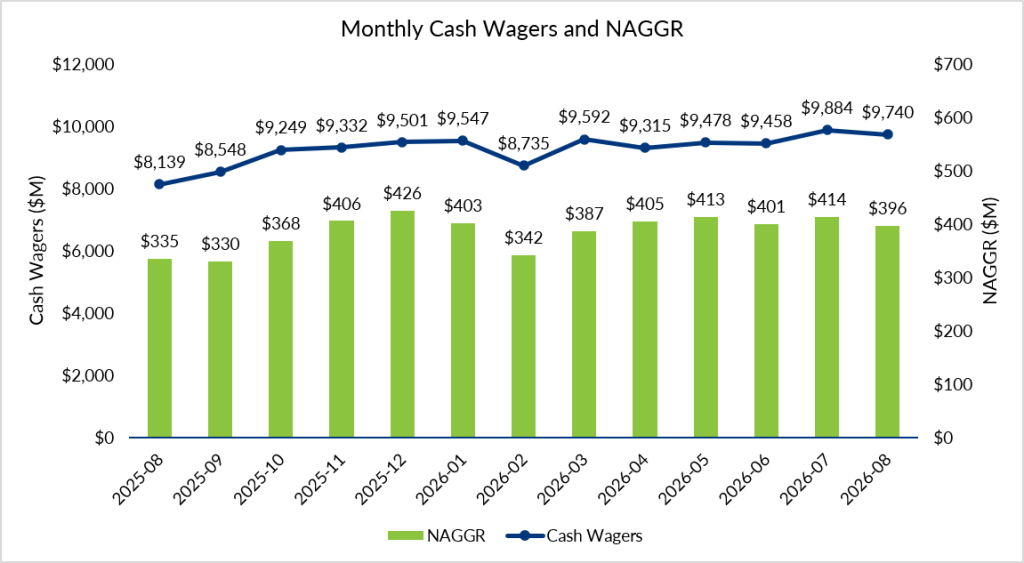
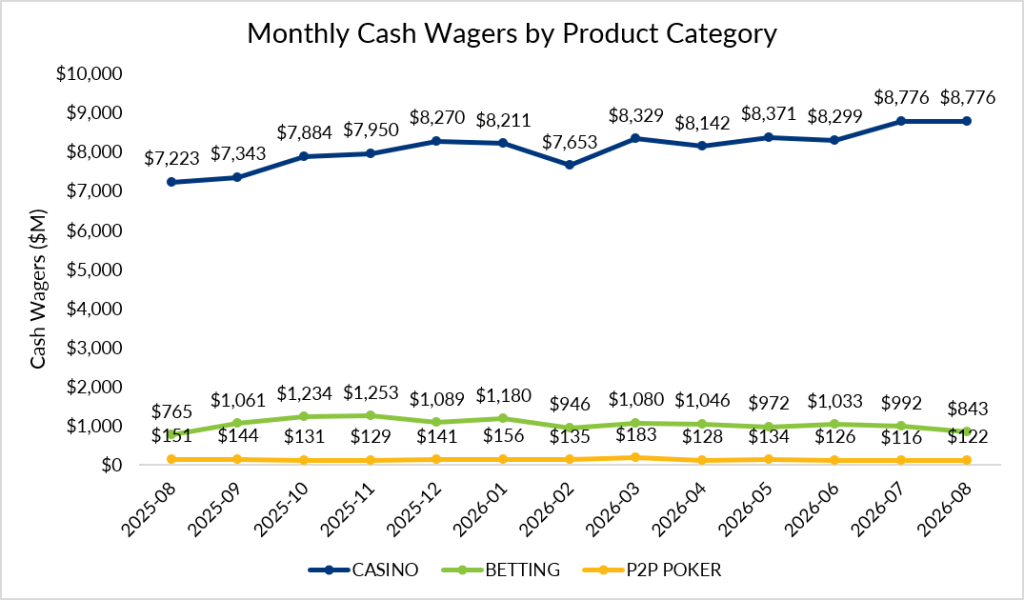
Back in March, Ontario hit a record breaking month as players wagered almost $9.6bn in cash bets via licensed online casinos and sportsbooks across the month.

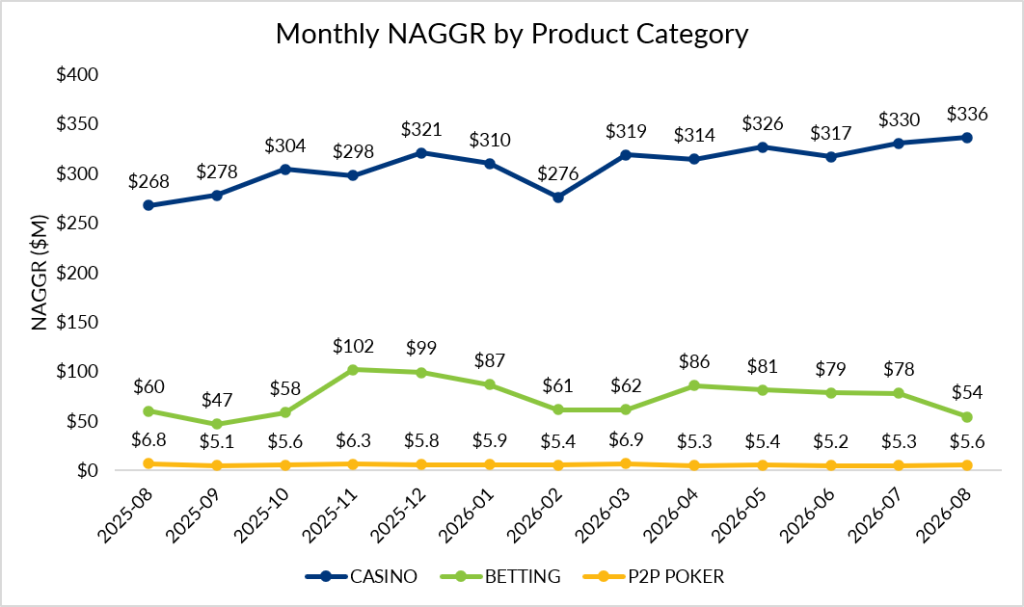
March 2026’s $9.59bn in handle beat the previous record high, the $9.52bn reported in January. Meanwhile non-adjusted gross gaming revenue hit $387m, a 13% jump compared to the previous month. However, this was second to the record $426m set in December 2025.

Looking at the opportunities available to sportsbooks and casinos across Alberta, bet365’s Andrew Moreno told Canadian Gaming Business last week that Alberta offers plenty of new avenues for future growth – but that the province requires a completely unique approach compared to Ontario.

He said: “A major component of bet365’s brand and strategy is the recognition that no two markets are the same. Just as the US is different from our UK business, the Alberta landscape differs from Ontario. 

“We appreciate that each unique market has its own sports culture, betting preferences, and product expectations, and this is why localization is such a key piece of our approach – our partnerships, promotions, and overall goals are designed to authentically reflect each market, rather than a one size fits all strategy.”

For now, however, the industry waits with baited breath to see how the cards will fall for Alberta’s market and who else might throw their hat in the ring to expand their Canadian footprint.

SBC Summit Americas’ Leaders Stage to tackle AI, Prediction Markets, and Regulatory Reform

SBC Summit Americas will welcome prominent voices from betting giants bet365 and DraftKings Predictions, together with former U.S. Representative Patrick Kennedy, to its Leaders Stage for strategic discussions on the evolving future of gaming and sports betting in the Americas.

Taking place June 10-11 at the Broward County Convention Center, the Leaders Stage will gather senior leaders from operators, regulatory bodies, Tribal organisations, and adjacent industries to discuss what it takes to gain a competitive edge in 2026.

The Leaders stage forms part of SBC Summit Americas’ six-stage conference program, covering sports betting and casino, affiliation, leadership, player protection, and regulation, with each stage alternating between North and Latin American market focus across the two days.

“Player expectations have evolved in ways I don’t think anyone in the industry truly expected. A great product is no longer enough. You have to be an entertainment platform, a media brand, even a financial service, all at once,” said Rasmus Sojmark, Founder and CEO, SBC.

“The range of conversations happening across the Leaders Stage shows just how broad the industry has become. That gives us the opportunity to bring together voices from both inside and outside gaming, and this year’s lineup includes everyone from executives at some of the region’s biggest operators to an actual Kennedy.”.

The session The Current State of Prediction Markets in the US’ will examine how prediction markets are blurring the lines between financial trading and sports betting, and what their rapid rise means for future US regulation. Experts Jeanine Hightower Sellitto (Senior Vice President & General Manager, DraftKings Predictions), Alex Kane (CEO, Sporttrade), and Joshua B. Sterling (Partner, Milbank) will debate whether prediction markets represent a natural evolution in gaming or a direct challenge to existing regulatory frameworks.

The wider implications surrounding emerging gaming models continue with the session From Regulation to Representation: Giving Tribes a Voice in the Future of U.S. Gaming.’ Joe Nayquonabe (CEO, Soaring Eagle Casino & Resort), Jacob Coin (VP Advisor, Tribal Council), and Sheila Morago (CEO, Trilogy Group) will discuss how Tribal Nations are working to protect sovereignty and influence future gambling policy as prediction markets and sweepstakes-style platforms continue to expand.

Expanding the regulatory discussion is the session Regulator Rumble: The Future of LatAm,’ which examines the increasing pressure on Latin American markets to balance rapid digital growth with regulatory clarity. Experts Juan Carlos Santaella Marchán (Executive Director, Puerto Rico Gaming Commission (Government of Puerto Rico) ,Fabio Macorin (Deputy Secretary, Secretariat of Prizes and Betting, Brazil’s Ministry of Finance), andJaime Rivera Emmanuelli (Member, Saiber LLC / Ex-Regulator) will explore how regulators and operators can work toward a unified regulatory approach, ensuring sustainable growth across the region.

The conversation then shifts to engaging today’s modern player, with a series of panels exploring how technology and personalized marketing are driving long-term loyalty.

The exclusive fireside chat, ‘Winning Is Everything,’ will see bet365 CMO Stephanie De Flora break down the company’s expansion across North America and how the operator built long-term customer engagement through localized marketing strategies. 

The keynote Unlocking AI to Drive Growth’ will further explore the theme of personalization, as David Edelman (former CMO, Aetna) offers guidance on how to engage players effectively, yet responsibly, by integrating AI to personalize and automate customer experiences at scale.

Beyond commercial strategy and regulatory evolution, the Leaders Stage will also address the growing importance of player protection and public health during the keynoteBuilding a Public Health Response to Gambling Harm.

Former U.S. Representative Patrick Kennedy, alongside industry and medical representatives, will explore how prevention, treatment, education, and healthcare systems can better combat gambling addiction, as sports betting and online gaming continue to expand across the United States.

More than just a conference agenda, SBC Summit Americas will serve as a meeting point for the C-levels, regulators, Tribal leaders, and policymakers, defining the next era of gaming across the Americas. 

Industry C-level executives set to appear across the agenda’s other conference tracks include Andrew Cochrane (COO, Soft2Bet), Ian Botts (CTO, Fanatics Betting & Gaming), Kip Levin (CEO, Geocomply), Manuel Stan (CEO, Catena Media), Marco Emilio Hincapie (President, Coljuegos), Macario Gallegos (SVP & Chief Information Officer, Seminole Hard Rock), Stuart Simms (Group CEO, FairPlay Sports Media) and many more. 

SBC Summit Americas will take place from June 9 to 11, 2026, at the Broward County Convention Center in Fort Lauderdale, Florida.


Get your tickets for SBC Summit Americas! 

Expo Pass ($0) – Exhibition Floor Access and basic access to SBC Connect

Conference Pass ($399) – Full access to the conference, show floor, and SBC Connect

Networking Pass ($399)– Full access to the show floor, SBC Connect, SBC Connections and evening networking sessions

Business Pass ($549) – Full access to the show floor, conference, SBC Connect, and SBC Connections

VIP Pass – Full access to the show floor, conference, SBC Connect, and SBC Connections, evening networking, and complimentary food and drink from our Food Festival

SBC Leaders magazine: Putting the fans first at Fanatics Betting & Gaming

Issue 40 of SBC Leaders magazine is published today and features interviews with Fanatics, bet365, Hard Rock, FanDuel, DraftKings, Betsson, Apuesta Total and Allwyn executives. 

Creating a great product that sports fans can relate to is key to building a strong sportsbook brand, Fanatics Betting & Gaming’s Chief Marketing Officer Selena Kalvaria, tells the new edition of SBC Leaders magazine.

Kalvaria uses the cover interview to explain why she jumped from a successful career in the world of high fashion to the sports betting industry and what she found after making the switch.

Fanatics is a brand every US sports fan is familiar with, thanks to its vast replica sportswear and merchandise division, and that unrivalled profile was initially what made the role attractive to Kalvaria. 

Since joining the company, she has learned that its brand name would count for little to bettors if the online gambling team had not followed the clothing division’s example and taken a fan-first approach to product development. 

Its Fair Play injury refund feature proved so popular with customers that it has been replicated by rival sportsbooks, while FanCash recreates the engagement of retail loyalty schemes for the betting audience. 

“You have to build an incredible product and proposition that people care about and the team that pre-existed me here was exceptional in the pursuit of having the best product in the market,” Kalvaria says. 

“With the integration of FanCash and what’s become core to our positioning in Fair Play and the connected ecosystem and loyalty program, we relentlessly enhance the customer and fan experience. That’s what Fanatics exists to do.” 

In the same cover feature for SBC Leaders Magazine, Fanatics Chief Trading Officer Mark Hughes explains that in a competitive market with well-established rivals, having the right product can help to “give customers zero reason to leave”. While he acknowledges that those rivals have “some really good stuff”,  Hughes is confident his team have got their product right. 

“We’re at a phase where the product is very high quality, the loyalty scheme runs throughout all channels, we have tenured customers who are really sticky,” says Hughes. 

“It’s all come together. We get a lot of feedback from customers now saying, ‘I joined because of FanCash but your product is as good as FanDuel or DraftKings’.”

No-one’s predicting the apocalypse for sportsbooks

Part of Hughes’s job is to create “reasons for customers to switch and to stay” and, as a US operator, that means doing something to attract prediction market players.

However, while the company has launched its own Fanatics Markets offering, Hughes does not expect to see the likes of Kalshi and Polymarket being able to compete with licensed sportsbooks in the long term.

“The product breadth will be hard to match. If it plays out in a way where there’s a parlay product and margins and generosity can be high, maybe it will compete,” he says. 

“But without that, I don’t really see them as the same product, even if they look and feel very similar to a customer. I struggle to see it cannibalising too significantly in states where sports betting is allowed.”

That view is echoed elsewhere in the SBC Leaders Magazine by James Cooper, Senior Vice President of FanDuel’s Flywheel & New Ventures division, which is focused on identifying and launching new high-growth products.

One of those products is FanDuel Predicts, which has had the benefit of expanding the operator’s total addressable market into states such as California and Texas, where legal sports betting is not widely available. 

Despite being directly involved in the launch of one, Cooper does not expect prediction markets to do significant damage to the legal sports betting industry. 

“We don’t see the sportsbook ecosystem as outdated at all, and it continues to be our north star,” he says.

“Sports betting remains the most direct and established way for fans to engage with sports outcomes, particularly in regulated markets with strong consumer protections and meaningful benefits to states.”

The magazine also sees IMGL President Marc Dunbar evaluate the dispute around the legal status of prediction markets.

bet365 eyeing US top spot 

While prediction markets have dominated the headlines, the growth of bet365 in the US over the past 12 months has been under-reported. 

The UK-based operator initially took a cautious approach to the US but, unlike many of its European counterparts who spent heavily during the post-PASPA gold rush phase of the market, it is now beginning to thrive.

It has established itself as a top five operator in many of the 17 states it is live in, something that its Head of Business Development for North America, Trip Stoddard, attributes to its investment in localisation and technology.  

Stoddard is happy with the progress made in recent months, but no-one should expect the company to be content with its current status in the pack chasing FanDuel and DraftKings.  

“If you look at bet365’s history, you look at everything we’ve done globally, we don’t go to markets where we’re happy with the top five. We don’t go to markets where we’re happy with the top three,” he says

Stoddard adds: “We’re here to be number one,.There’s clearly a top two. We’re watching them, but we’re tailoring our product and our marketing to (a point) where we don’t just think we can compete with them. I’m comfortable saying we think we can beat them.”

A trip around the betting world  

Issue 40 of SBC Leaders Magazine also includes interviews with Steph Sherman, Chief Marketing Officer at DraftKings, about customer acquisition at the World Cup and Betsson’s Chief Information Security Officer Donald Tabone about the dangers posed to operators by cybercriminals.

Meanwhile, Hard Rock Digital Chairman Rafi Ashkenazi recalls his career in gambling, Allwyn’s Group CFO Kenneth Morton shares the inside track on the OPAP merger, and Apuesta Total CEO Gonzalo Perez discusses the Peruvian market. 

Additionally, there is a deep dive into Latin America’s emerging market opportunities and an examination of why industry lobbying efforts continue to fall flat.

You can pick up a copy of issue 40 of SBC Leaders Magazine at SBC Summit Americas in Fort Lauderdale in June, or you can read the digital edition here.

Unpicking Canada’s iGaming industry with Casino.ca’s Lara Wilson

Canada‘s online gambling landscape is undoubtedly going through a major upheaval. Alberta is well on the way to launching its own competitive iGaming market this summer, following Ontario‘s successful model. These are positive developments, but some players are understandably struggling to keep up with the pace of change. 

With provinces taking different regulatory paths, offshore sites still competing for attention, and new technologies reshaping how people play, the market has never been more dynamic, or more confusing.

Amid this landscape, CGB spoke to a Canadian online casinos expert to unpick how the market is evolving, what these changes mean for everyday players, and how a well-run affiliate site can help them to make smarter and safer choices.

Lara Wilson has over twenty years of experience in Canada’s iGaming industry and has worked with brands including Sportingbet, LeoVegas and ParadisePoker. She is now an expert contributor at Casino.ca, where she has turned her focus toward sharing her many years of expertise with players.

By giving players independent reviews, transparent breakdowns of bonuses, and clear guidance on which casinos are licensed and trustworthy, affiliates like Casino.ca have become an essential tool for navigating this crowded space.

Hi Lara, thanks for talking with us today. First off, could you tell us a little about your role at Casino.ca?

Lara Wilson
Image: Casino.ca

Thanks, yes of course. As a writer and editor, I’m concerned with crafting the best content I can around everything iGaming. It’s a large brief that includes in-depth reviews, guides, and updates. It feels really gratifying to be in a position where I can share all that I’ve learned over the course of my career with players to help raise the standard of their online casino experiences. 

As someone who enjoys playing at online casinos in my spare time, I know just how tricky it can be to find a reliable, top-quality platform. At Casino.ca, we want to level the playing field by providing players with all the information they need to make the best choices. Whether that’s learning how to spot scams, what makes the best bonus deal, or which slots are hot right now, we cover it all. We also want to unite players with the best site for them. That might be helping readers find the fastest withdrawal online casino, the latest live dealer games, or a good bonus to stretch out their bankroll.

What makes Canada’s iGaming market so complex for players to navigate?

Canada’s iGaming market isn’t a single, unified system. It’s a patchwork, in which every province has its own rules. The experience for players in Ontario’s open, regulated market is radically different from that of players in B.C. or Québec, where government-run platforms are offered. It’s only Ontario that currently offers an open market, although Alberta will soon follow suit, so most Canadians are faced with two choices. Either they can opt for the regulated site in their region, which often offers a poor selection and uncompetitive bonuses, or they can try offshore casinos.

To be clear, it is legal for Canadians to play at offshore casinos. The issue is how to pick a safe, secure, and fair platform. Without the protections of a local regulator, it is important to choose wisely. The reality is that most Canadians play at offshore casinos and are reliant on affiliate sites like Casino.ca to help make those safe choices.

What do you look for when compiling your online casino reviews?

We have a really thorough set of criteria in place that we follow to a T. This ensures that all our reviews are detailed, covering all the relevant information that players want, and unbiased. It also makes it easy for our readers to make side-by-side comparisons. The first step is to test the platform. That means trawling through the small print, contacting customer service, and most enjoyably, playing some games.

What we’re looking for is a responsive, easily navigable platform with clear terms and conditions, and trustworthy payment options. We love a large and varied gaming portfolio, with top-quality options from the best software developers. The site has to be safe and secure, that’s non-negotiable. Perks and promotions are essential too, and they shouldn’t stop after the first welcome bonus. Extra marks go to sites that are optimized for mobile play or have developed their own convenient apps.

Why should readers trust what you say?

Trust is a top priority for us, and it guides everything we do. As an affiliate site, we do earn commissions when a reader signs up to a platform through one of our links. This doesn’t cost the reader a thing, nor does it influence how we will rank a casino. We make our recommendations based on independent research, and casinos have a very high bar to hit. 

If we do find, in the course of our research, that a casino falls short of our standards, we won’t promote it. It’s that simple. As real fans of online casinos ourselves, we respect our readership and understand that biased reviews don’t help anybody. Our mission is to empower players, not to mislead them.

What are your top tips for players looking for a new platform to play on?

The number one thing to check is that the casino you choose has a reputable license. You can find this by scrolling to the footer of the casino’s homepage. If there’s no clear license, then there’s no regulatory oversight. That means that you can’t be sure that the site isn’t a scam. 

Pick a site that is upfront about its bonus terms. It’s a big red flag for me when a site tries to bury its wagering requirements in confusing language. Make sure there are strong safer gambling tools in place; these will give you real peace of mind. I find that setting deposit and loss limits makes the whole experience more relaxing and enjoyable.

Where do you see the Canadian online casino market heading next?

“It is a really exciting time to be in Canadian iGaming. Over the last few years, I’ve seen the overall quality of online casinos rise and rise, as customers vote with their wallets. Operators are investing in new technologies, such as AI and VR, which are making games more immersive and entertaining. Behind the scenes, these tech advances are also making online casinos safer, more secure, and more convenient to use. I think that’s where the market is really going to thrive next, by offering consumers the convenient entertainment they’re looking for.”