Leading global prediction market platform Polymarket quietly changed its terms of use recently to reveal that it has blocked access to its trading exchange in several Canadian provinces.
Already banned in Ontario through a 2023 settlement agreement with the Ontario Securities Commission (OSC), Polymarket has now added three more provinces to its restricted list:
- Alberta
- British Columbia
- Quebec
Canadian Gaming Business reached out to Polymarket seeking more information on the rationale behind this decision, including why it only cut off those provinces but not others, but had not received a reply at the time of publishing.
Polymarket geoblocked itself, says Alberta iGaming minister
At a launch event for Alberta’s brand-new provincially regulated online gambling market in Edmonton on Monday, July 13, a mainstream media journalist noted in the process of asking a question to Minister Dale Nally that Polymarket geoblocked itself in Albania last week. Polymarket’s terms of service were last updated on July 6, 2026.
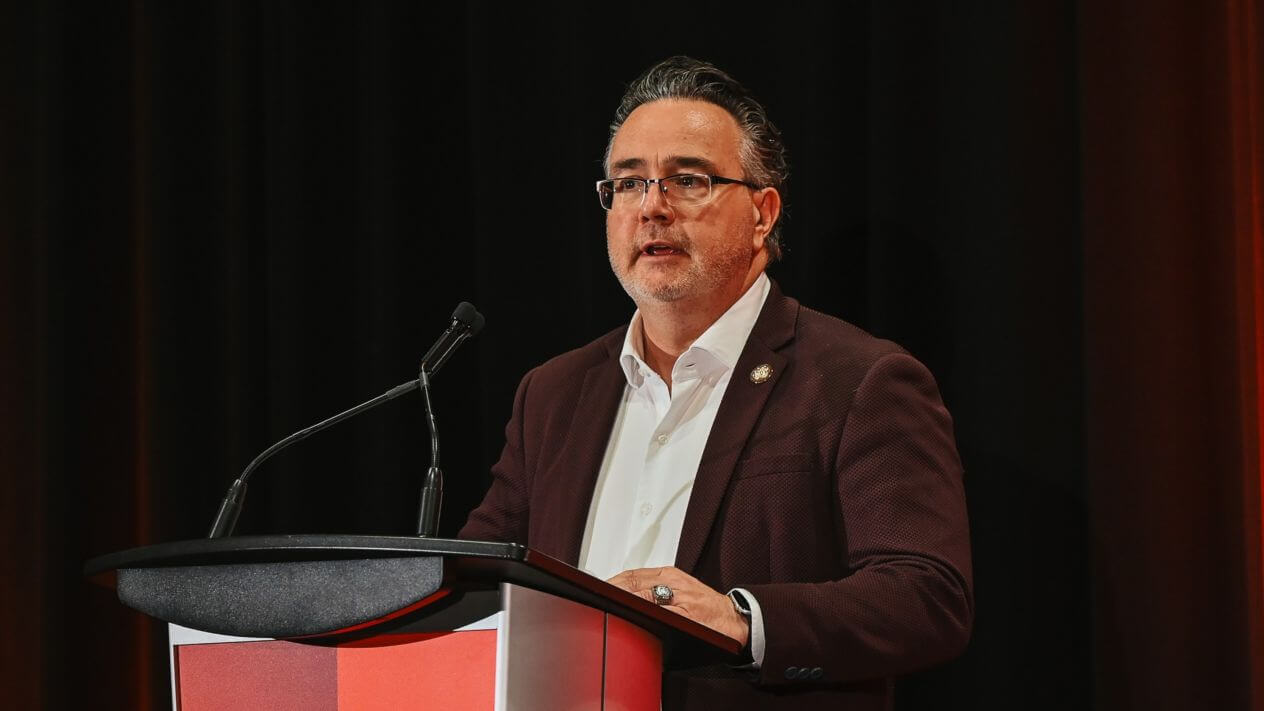
“Polymarket made the decision themselves to geo-fence themselves out,” Nally told the room. “I think that was good news.”
Nally stressed that online gamblers in Alberta should look for the Alberta iGaming Corporation (AiGC) to verify that the iGaming platform they are using is licensed and regulated in the province. More than 20 online casino and/or sportsbook sites launched on day one of Canada’s second commercial regulated iGaming market on Monday.

Why is Polymarket banned in Ontario?
Polymarket is currently serving a ban in Ontario after settling with the OSC last year.
The company admitted it violated Ontario’s rules by offering and advertising short-term yes/no event contracts, which Canada terms “binary contracts”.
Polymarket was prohibited from operating in Ontario for two years as part of the settlement agreement, but it has typically been available in most other regions of Canada. It continues to market itself in Ontario and other provinces, and has also signed Canadian-facing sports partnerships.
What kind of prediction markets are available in Canada?
Meanwhile, Polymarket’s big U.S. rival Kalshi is bringing its prediction markets to Canada, but in a limited for that does not include sports event contracts.
Kalshi announced last month that it has partnered with Toronto-based financial services and technology firm Wealthsimple to offer event contracts on certain categories in Canada, in line with Canadian Investment Regulatory Organization (CIRO) rules.
While the likes of Polymarket and Kalshi do huge business in sports in the U.S., CIRO’s rules, as outlined in a bulletin published on March 26, only allow event contracts based on economic forecasts, environmental forecasts, and financial indicators.
CIRO specifically mentions political events like elections as a forbidden category, and trading on sports events is also not allowed. Incidentally, one of the ways that Alberta’s regulated iGaming market differs from Ontario’s is that it does not allow betting on political elections.
CIRO also mandates that all event contracts must have a settlement period of 30 days or longer, so they cannot be based on markets that would resolve in a few days, which is common for sports contracts.
CIRO authorized Wealthsimple in March to offer event contracts trading and a new Wealthsimple Predict platform launching this summer will host approximately 4,000 of Kalshi’s binary event contracts. Companies are allowed to facilitate Canadian access to yes/no event contracts if approved to do so by CIRO; currently only Wealthsimple and Interactive Brokers Canada are authorized to offer them.
CIRO and the Canadian Securities Administrators (CSA) said in an April press release that they will continue to monitor developments regarding prediction markets and intend to issue further guidance. They also stated that they could take further regulatory action if they deem it to be required, including changes to CIRO’s terms and conditions or the imposition of further restrictions.