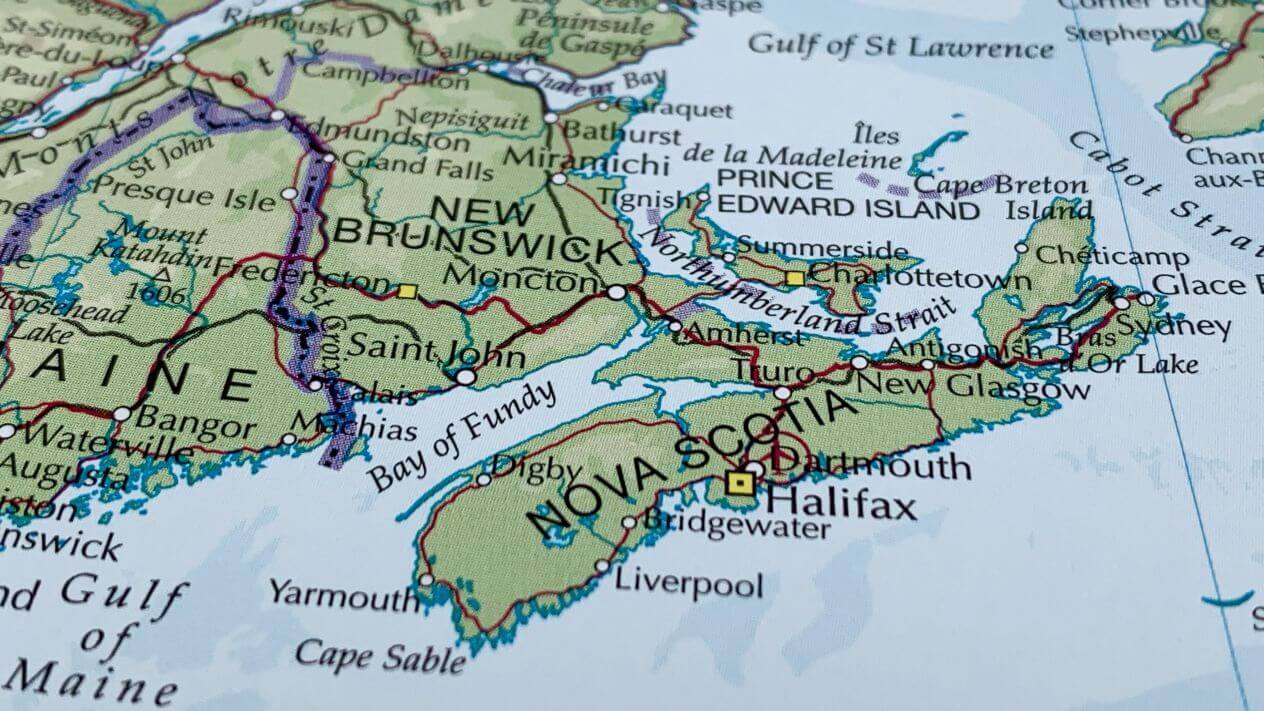
First came Ontario, then followed Alberta. Since the second regulated Canadian iGaming province opened in July 2026, talk has grown in recent weeks about the potential of others following suit, particularly:
- New Brunswick
- Nova Scotia
- Quebec
Experts believe things may be likely to accelerate towards greater adoption of licensed, taxable, commercial online gambling across the country.
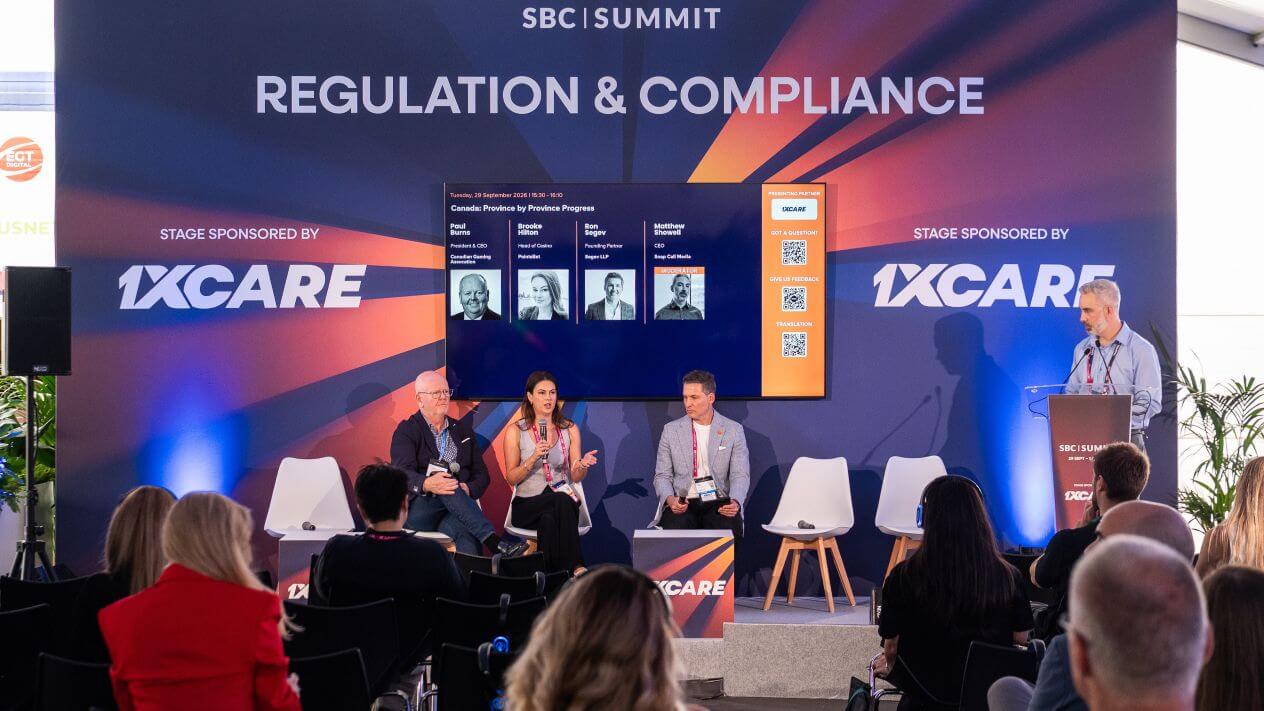
“It looks like the dominoes may be falling in Canada,” Segev LLP founding partner and veteran gaming lawyer Ron Segev told host Martin Lycka on a new edition of ‘The Safe Bet Show‘ this week.
Quebec will take 2-3 years, say experts
After Quebec’s new Premier Paul St-Pierre Plamondon voiced support for ending Loto-Québec’s monopoly on authorized online gambling, Ron Segev called the Francophone province “probably the most exciting thing we’re looking at” in Canadian iGaming.
However, he cautioned that an actual market launch is likely still two or three years away, and reiterated comments he made on a Canada-focused panel at SBC Summit Lisbon in September that Quebec will not be a simple replication of Ontario’s model in the way that Alberta was, at a high level.
“Quebec is not like the rest of Canada,” added Ron Segev. “People will nod in agreement saying, ‘yes, it’s French,’ but it’s beyond that. Culturally, it’s different, and critically, the legal regime is very different … Quebec always does things a little differently, so we think the compliance burden is going to be a bit different.”
Change may be afoot in Atlantic Canada
Meanwhile, government ministers in both New Brunswick and Nova Scotia confirmed in October that they are exploring potential expansion of regulated online gambling beyond the Atlantic Lottery Corporation.
Ron Segev and his brother, Segev LLP Managing Partner Alon Segev, expect iGaming change in the Maritimes to be “close behind” Quebec. Key to the momentum, they say, was Alberta getting off the ground after years of discussion about mirroring Ontario’s approach.
“I think Alberta is just wonderfully timed for the rest of the provinces to see how you could take an Ontario model and tailor it towards local cultural preferences and make great success of it,” Alon Segev said. “We are seeing initial numbers are really, really strong [in Alberta]. Their launch is actually stronger than Ontario’s launch in terms of gaming revenue, account signups, and player spend per capita …
“This isn’t a case of one province being successful. This is now a case of two provinces being successful.”
International liquidity could change Canadian iGaming
More provincial markets isn’t the only way that Canadian iGaming could expand in the coming years.
The Supreme Court of Canada will soon decide on whether or not Ontario and Alberta are legally allowed to connect their player pools for peer-to-peer games like online poker with international jurisdictions.
Ron Segev predicted that Canada’s highest court will agree with a lower Ontario court and rule that it is legal. There is no confirmed timeline for the court issuing its ruling.
The Segev brothers and Lycka also discussed other timely topics in Canadian iGaming, including the advertising issue and broader responsible gambling priorities.
You can watch the full episode here.