It seems as though it’s always an important time for the Canadian gaming industry these days, but Alberta opening Canada’s second commercial regulated iGaming market this month was a bona fide milestone years in the making. It was also the result of a great deal of work from provincial governments and other industry stakeholders, not least the Canadian Gaming Association (CGA).
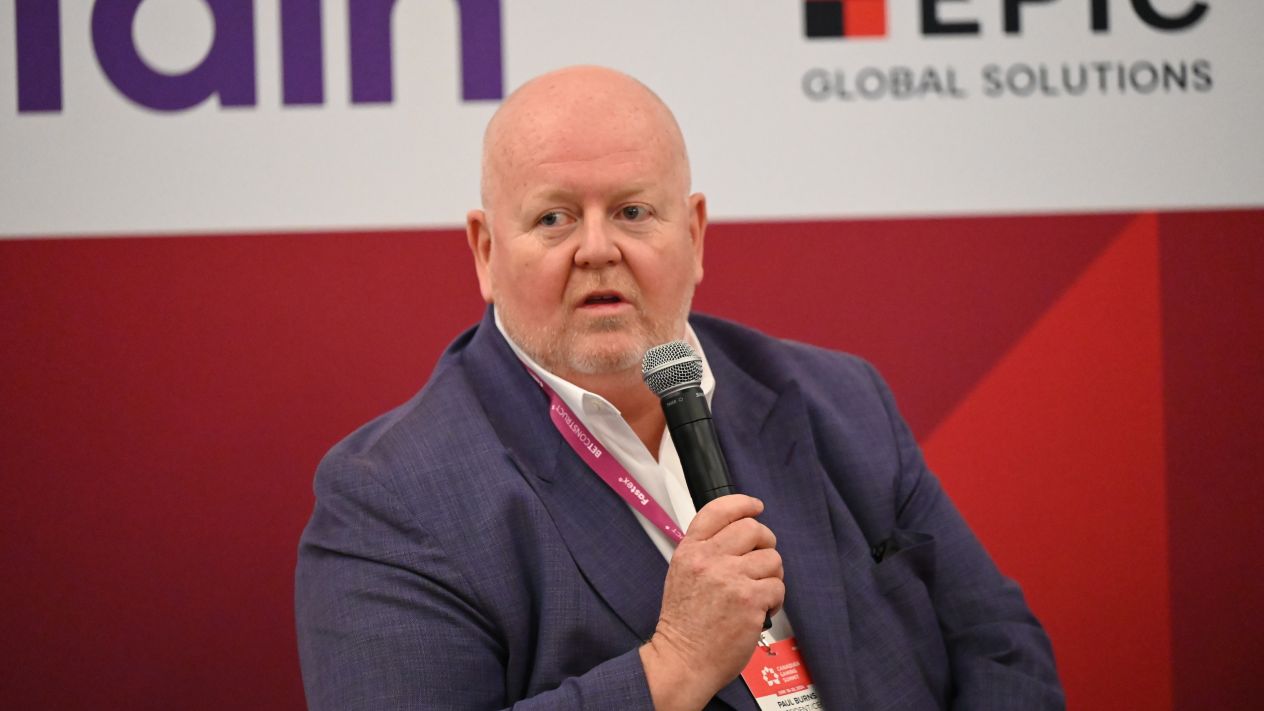
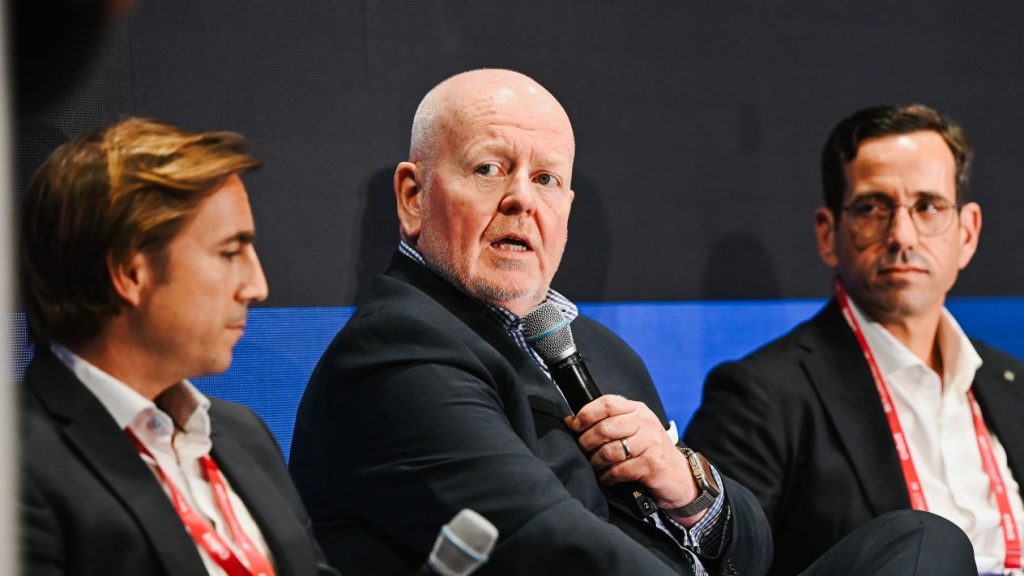
CGA President and CEO Paul Burns will speak about Alberta and more at SBC Summit 2026 in Lisbon on a panel called ‘Canada: Province by Province Progress‘, assessing what’s happening right now in that province and Ontario, as well as what may come next for Canadian gaming.
Ahead of SBC Summit, we caught up with Burns to get his thoughts on the state of play.
Alberta is finally up and running. Why is this such an important milestone for the Canadian gaming industry at large?
Burns: The Canadian Gaming Association commends Alberta for establishing an expanded, regulated iGaming market. Alberta is now the second province in Canada to show that a market can reflect consumer preferences while delivering world-leading player protections and strong regulatory oversight.
With 10 companies launching 22 sites on day one and another 25 operators seeking licenses, Alberta will demonstrate that government can strike the right balance between taxation, regulation, and consumer protection.
How does Alberta differ from Ontario?
Burns: Since its launch, Ontario has developed into one of the world’s strongest and most comprehensive regulated iGaming markets. Alberta largely modeled its approach on Ontario’s framework, leading us to expect a similar path while introducing several unique features.
The province launched with a centralized self-exclusion system already in place, has begun public awareness campaigns to educate residents about the changes and the role of regulated gaming, and is moving quickly to help land-based casinos benefit from enhanced retail gambling regulations alongside the rollout of online gaming offerings.
Alberta is home to approximately 5.5 million people. Although its population is smaller than Ontario’s, Albertans consistently rank among the highest in the country for gaming spend per capita. Combined with a younger, growing population and relatively low tax rates, this makes Alberta a highly attractive gaming market.
The latest research pins Ontario’s channelization rate at over 90%. Should we expect similar results in a mature Alberta market?
Burns: Alberta has said it aims to reach a 70% channelization rate in its first year and a 75% rate in its second year, and we are optimistic the province can exceed that target.
Over in Ontario, the government is reviewing its own gaming sector from the top down. What’s the aim there?
Burns: The Ontario government’s gaming review has focused on reducing duplication and overlap between regulatory agencies and industry stakeholders.
The CGA and its members have actively participated in the review and look forward to working with the province on measures that streamline processes, improve efficiency, and lower industry compliance costs.
What topic do you believe will most define Canadian gaming industry discussions over the next 12 months?
Burns: Responsible gaming will be a top priority, along with the need for the industry, regulators, broadcasters, and professional sports leagues to work together to address ongoing concerns about advertising.
We will also focus on the new Financial Crimes Agency, modernizing AML regulations, and advocating in Ottawa for stronger enforcement tools to support Canada’s regulated markets.
Canadian Gaming Association President and CEO Paul Burns will be speaking at SBC Summit 2026 on Tuesday, Sept. 29, on a panel called ‘Canada: Province by Province Progress‘ alongside: