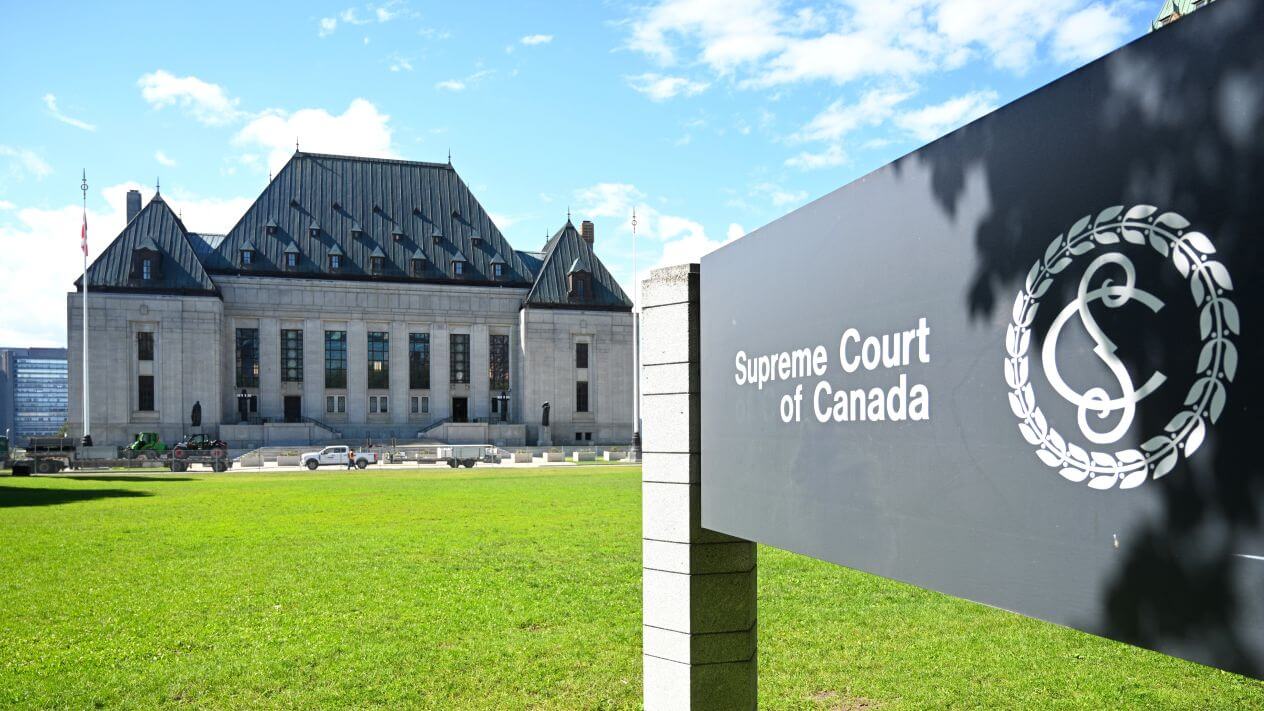
The provincial governments of Ontario and Alberta will state their cases in the Supreme Court of Canada next month, where an appeals process centres on whether Ontario should be allowed to pool players of iGaming products like online poker and daily fantasy sports with other jurisdictions.
Several parties including Canada’s two commercial iGaming provinces have filed to present oral arguments in the court case at a hearing scheduled for Oct. 7.
As of Sept. 8, judges are set to hear from legal counsel representing:
- The Attorney General of Alberta
- The Attorney General of Ontario
- The Canadian Gaming Association (CGA)
- Flutter Entertainment
- NSUS Group
All of those parties hope to see the Supreme Court uphold an Ontario Court of Appeal decision in November 2025 that it would be legal under the Criminal Code for Ontario to connect peer-to-peer iGaming play to jurisdictions outside of Canada by combining the jurisdictions’ respective player pools into one larger pool.
How did iGaming issue reach the Supreme Court?
Ontario, the CGA, FanDuel and PokerStars owner Flutter, and GGPoker parent NSUS were all parties to the original reference question filed by Ontario in the provincial appeals court in late 2024. In short, Ontario asked whether it can take its play across borders, thereby greatly expanding the potential of P2P games like online poker and DFS, which are currently limited to Ontario players competing against other Ontario players.
The Ontario Court of Appeal judges ruled 4-1 that such expansion would be legal, concluding that the Criminal Code does not require all players to be physically situated within the province as long as Ontario retains operational control over the gaming activity offered to Ontario users. That opinion lined up with the arguments of Ontario, the CGA, and the poker operators, who contend that, as the Ontario side of the game would be hosted and regulated by the province, it would still constitute gaming that happens “in” the province.
Outside of Ontario and Alberta, in all other Canadian provinces, the respective government-owned gaming operator is the only approved iGaming site. Three of those government lottery corporations appealed the Ontario court decision to the Supreme Court:
- Atlantic Lottery Corporation (ALC)
- British Columbia Lottery Corporation (BCLC)
- Manitoba Liquor and Lotteries (MBLL)
Loto-Québec subsequently joined its fellow lotteries in the appeal in April.
In summary, the appellants argued that the Criminal Code should not allow cross-border play because that would mean that the gaming no longer takes place entirely within the province; instead, they say, it would involve Ontario conducting and managing gaming outside its borders. The one dissenting Ontario Court of Appeal judge broadly agreed with that counter-argument.
Another gaming entity opposed to the idea of cross-border play, the Québec-based Mohawk Council of Kahnawà:ke, pulled out of the appeal in June, determining that its perspective was adequately covered by the other appealing parties and that it did not believe its further participation would be an effective use of its resources.
Why does Alberta care?
Ontario in April 2022 and Alberta in July 2026 are the only two Canadian provinces to open a commercial, regulated online gambling market. If the Supreme Court were to uphold the Ontario court’s decision, it would allow Ontario to sound out other jurisdictions about connecting peer-to-peer play.
Alberta wanted to become a party to the appeal process because, in the words of Alberta AG Mickey Amery, the outcome would be of “significant interest” in relation to its new iGaming market, which it launched on July 13.
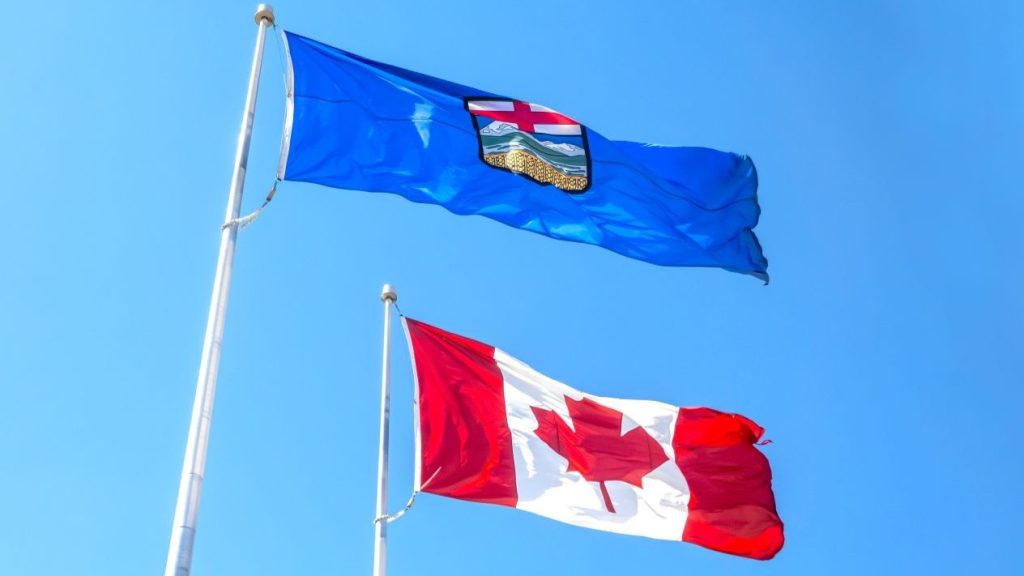
While Alberta said in a court filing on May 25 that it has not taken a position on the facts of the case, the filing noted the repercussions the decision could have on its own regulated iGaming model.
“The Attorney General of Alberta intervenes because this Court’s interpretation of whether iGaming Ontario remains lawful under the Criminal Code could impact the validity and operation of Alberta’s own online gaming statutory regime (iGaming Alberta),” reads a line in Amery’s filing.
The Alberta AG supported Ontario et al’s argument that the Criminal Code should not be interpreted as preventing Ontario from connecting P2P play with other jurisdictions if all involved jurisdictions agree.
That includes not only other countries but other provinces within Canada.
The Ontario court’s decision noted that the Criminal Code’s language states that it is lawful for a province, “either alone or in conjunction with another province, to conduct and manage a lottery scheme in that province, or in that and the other province, in accordance with any law enacted by the legislature of that province.”
Ontario and Alberta would like to link play
In essence, that would mean that two provinces can connect their play if they both want to do so. And, while the court process plays out, Ontario and Alberta have plans to join hands. Officials from each province have been saying for months that they would like to explore the idea of pooling their P2P gaming.
iGaming Ontario (iGO) President and CEO Joseph Hillier told Canadian Gaming Business last year that pooling play with Alberta’s regulated iGaming market would be “very much a topic of conversation at the table” once Alberta opened its market.
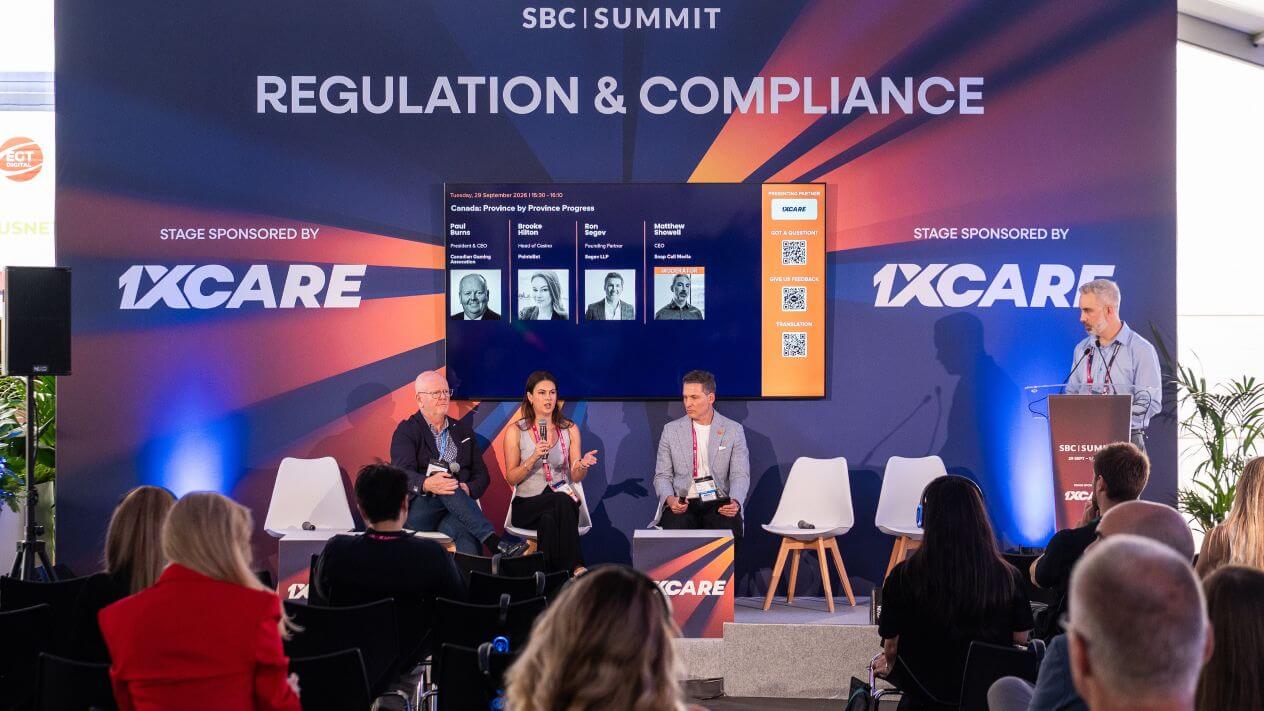
Hillier’s counterpart out west, Alberta iGaming Corporation (AiGC) CEO Dan Keene, said at SBC Summit Canada in May that the two provinces were already working on a memorandum of understanding to combine their player pools.
“We’ll try and get that done as quickly as we can with our friends in Ontario,” Keene said at that time. “We are in favour of that … From a business and commercial perspective, it makes a lot of sense.”
That could make online poker and DFS play more appealing to both consumers and operators. It would allow operators already licensed in both Ontario and Alberta, including the likes of Flutter’s PokerStars and NSUS’s GGPoker, the latter of which last month secured Alberta approval, to host games and tournaments involving players from both provinces. For players, it would mean more competitive contests and bigger prize pools.
A somewhat similar model already exists in the U.S., where the Multi-State Internet Gaming Agreement (MSIGA) connects players in several states. Depending on the outcome of the Supreme Court appeal, Ontario and Alberta could feasibly soon be able to explore the idea of connecting with U.S. states themselves.