Quebec political leaders’ support for expanding online gambling came “out of the blue” but is indicative of more provinces recognizing the potential that regulated iGaming offers.
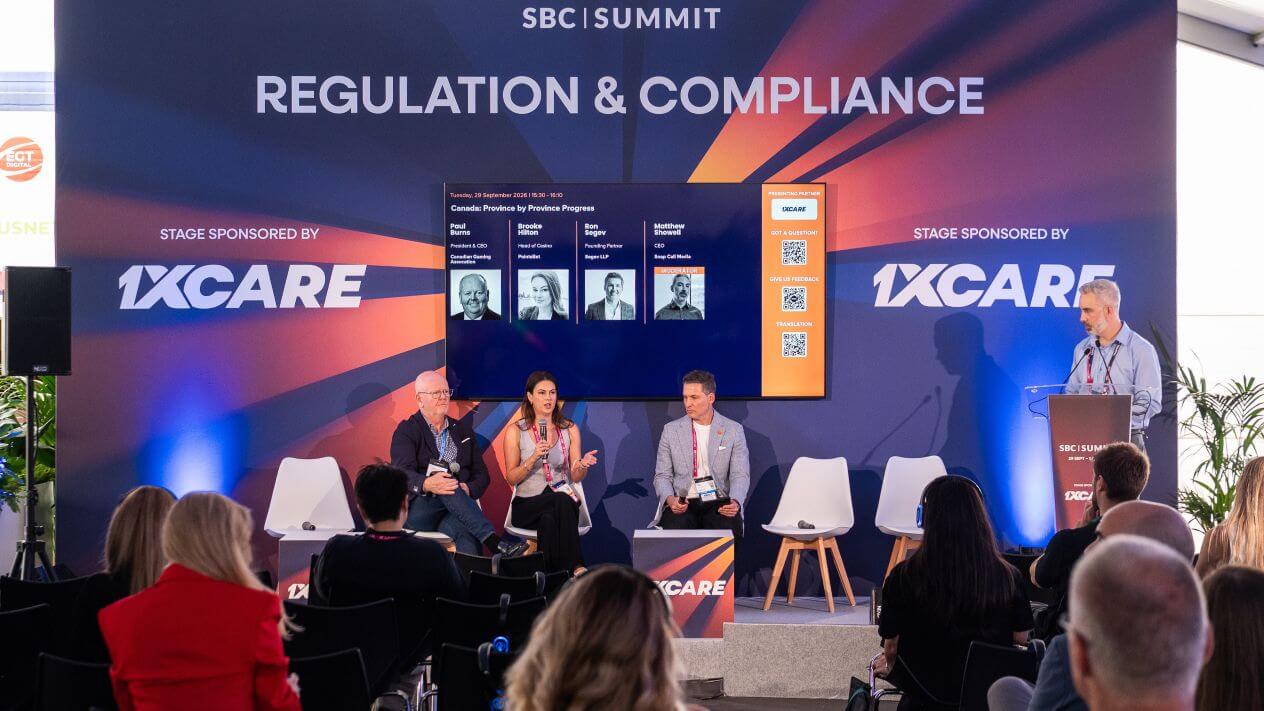
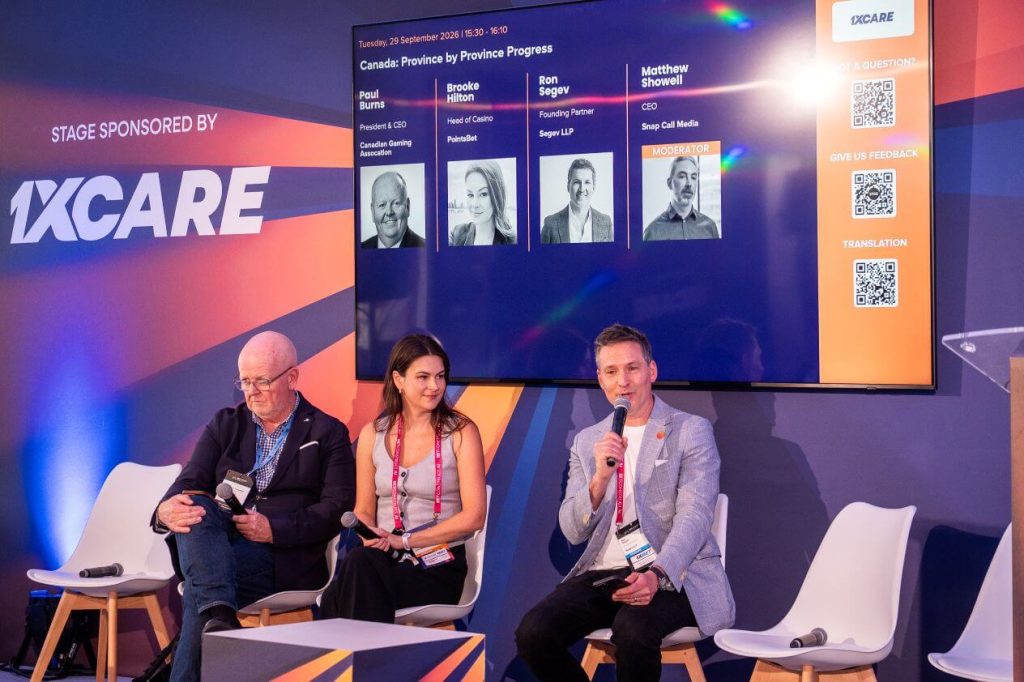
That’s the view of Canadian gaming industry stakeholders who gathered for a Canada-focused discussion at the recent SBC Summit in Lisbon, featuring:
- Canadian Gaming Association (CGA) President and CEO Paul Burns
- Segev LLP founding partner and veteran gaming lawyer Ron Segev
- PointsBet Canada Head of Casino Brooke Hilton
- Panel moderator and Snap Call Media CEO Matthew Showell
Held days before the Quebec election, the conversation turned to the changing winds in that province.
“That came out of the blue,” Burns said of Quebec politicians’ public backing for expanding iGaming. “… Their comments to date had been protecting their provincial lottery corporation and nothing else. So this was a very surprising moment.”
CGA predicts most of Canada will expand iGaming in next 5 years
Alberta followed Ontario’s lead this summer, becoming the second Canadian province to launch regulated commercial iGaming, opening its doors in July. Within a few short months, eyes turned eastward to Quebec in the lead-up to that province’s election on Oct. 5.
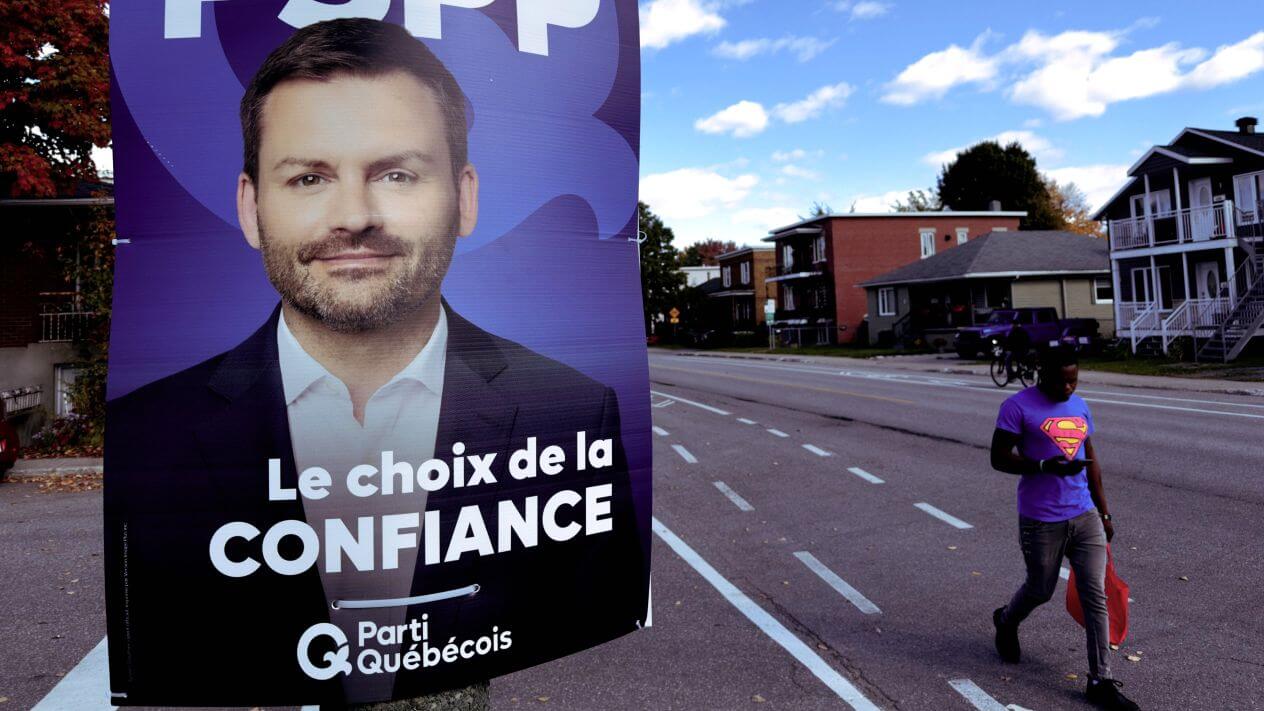
First, Quebec Liberal Party leader Charles Milliard included licensing and regulating online gambling in his list of ideas for modernizing Quebec. Then, Parti Québécois leader Paul St-Pierre Plamondon supported that idea in public comments given to national media. Both politicians cited a need to generate more revenue for the province by taxing and overseeing existing iGaming activity that happens outside of the government-run Loto-Québec platform.
Parti Québécois ultimately won the election, meaning that Plamondon will be the province’s next Premier. The Liberals came second, making Milliard the official leader of the opposition.
Speaking on the SBC Summit panel on Sept. 29, three weeks after Milliard and Plamondon’s comments and six days before the election, Segev noted a question from the audience: Which province will be next to regulate iGaming, and when?
“I would say Quebec is the next to regulate, and I think we’re going to see something in 24 to 36 months,” Segev suggested. He added that after Ontario set a base expectation, Alberta set a strong standard for the second wave of regulated iGaming in Canada.
“I can’t wait to see what the third and following waves look like,” said Segev.
While Quebec surprisingly emerged as a frontrunner to be next in line, Burns is confident that others will also follow Alberta. More than four years after Ontario moved first, the trade group CEO thinks most of Canada will soon authorize commercial iGaming.
“It’s a really exciting time,” Burns said. “We’re adding more markets. There’s more interest, and there will be more markets …
“We’ve got elections in British Columbia right now. There’s conversations going on in Atlantic Canada. Everybody has seen the results. They recognize that they can’t avoid it, and so I’d say in the next three to five years, we probably will have most of the country involved.”
“I’d say in the next three to five years, we probably will have most of the country involved [in iGaming].”
Canadian Gaming Association President and CEO Paul Burns
Showell noted that estimate painted “an optimistic picture,” but the overarching feeling on the panel was that there is strong momentum in Canada right now for regulated online gambling.
Quebec is a different beast, panelists warn
The results that Burns referenced include not only the billions of dollars that the Ontario government has made from regulated iGaming since it launched its market in April 2022, but also data that suggests that it has achieved an iGaming channelization rate (i.e. the amount of iGaming play that moved from unregulated platforms to licensed sites) of more than 90%.
Meanwhile, data presented by iGaming expansion advocates at SBC Summit Canada suggested that Loto-Québec currently captures just 27% of all online gambling activity in Canada’s second-biggest province by population, with 73% going to the unregulated market. That purportedly equates to an estimated $2.3bn in lost gross gaming revenue and $563.3m in uncaptured government revenue.
“Estimates put it at a $3bn market with only a 27% channelization rate to Loto-Québec, so there’s a lot of opportunity there,” noted Segev.
However, while Alberta largely followed Ontario’s playbook in how it approached regulated iGaming, the SBC Summit panelists cautioned that Quebec would likely be significantly different.
PointsBet’s Hilton noted that, from a potential operator’s point of view, a huge amount of localization would be required, not least because Quebec is an officially Francophone province. “The regional language has to be Quebecois French, and everything has to be stated in the second language as well.”
Burns echoed that point, emphasizing that iGaming sites would need to operate French-language platforms.
“It’s not a rip-and-tear-and-translate language,” he noted. “The regulatory regime will need to be probably made a little more robust.”
Quebec would be hard work, but worth it
To that end, Segev, whose firm advises operators and suppliers on the legal processes required to enter Canadian markets, warned attendees that they would need to put significantly more upfront effort into establishing a presence in a regulated Quebec market.
“I don’t think it’s going to be a cookie-cutter Ontario to Alberta to Quebec,” Segev said. “Quebec always does things differently. Your content, your CS, your compliance team, getting your brand ambassadors. All of that, it’s going to be different.
“So I would do your homework well in advance with respect to Quebec. But it’s worth it.”
For now, regulated iGaming in Quebec is still far away from becoming reality. Plamondon will be sworn in as Premier on Wednesday, and must still form a minority government before deciding on his immediate priorities as leader of the province.
But judging by the conversation at SBC Summit, the Canadian gaming industry believes it is only a matter of time.
“The government of Quebec owns and operates all the gaming within the province,” added Burns. “So, it’s actually very easy for them to start to move to do this.”