The Canadian gaming industry is full of all sorts of storylines. One of the biggest may still be flying under the radar: The First Nations casino movement that has gathered pace across the country.
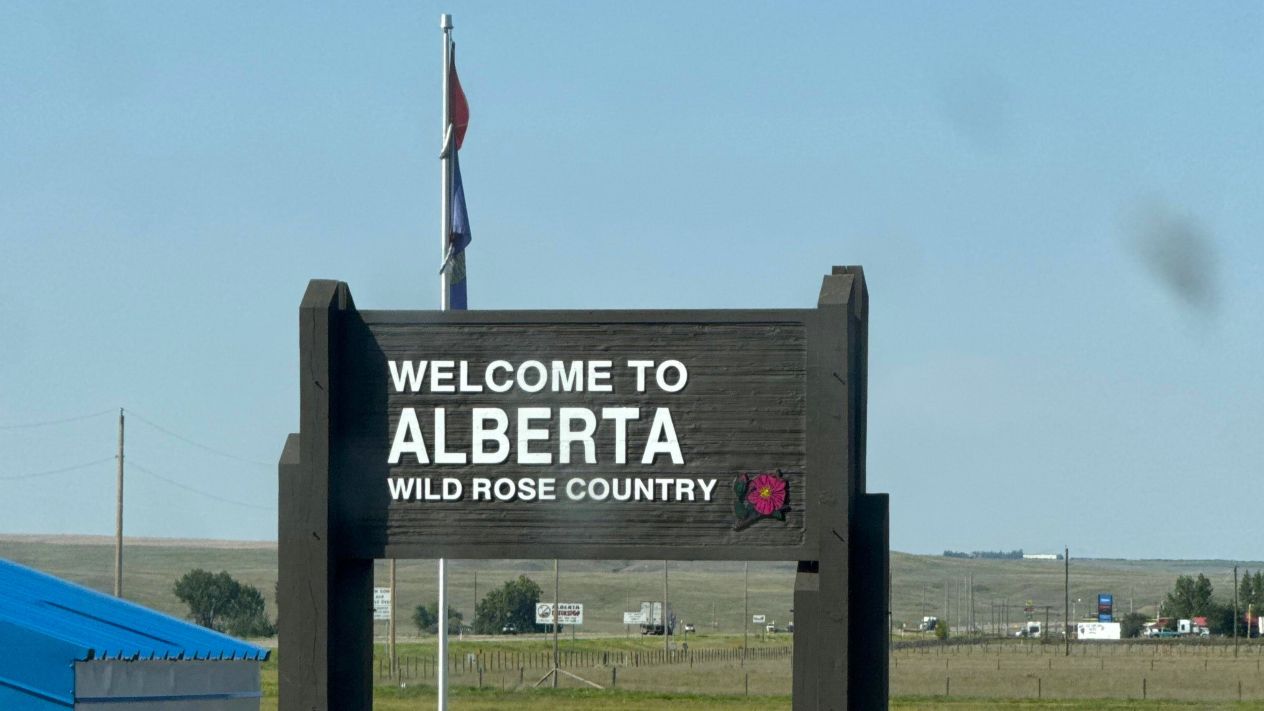
Most pronounced in British Columbia and Alberta, things are changing fast as Indigenous groups from coast to coast turn to commercial gaming ownership as a way of generating their own revenues, reaffirming their sovereignty, and safeguarding their future.
A major shift in the British Columbia casino landscape
One of the biggest characters in this story has been the Snuneymuxw First Nation.
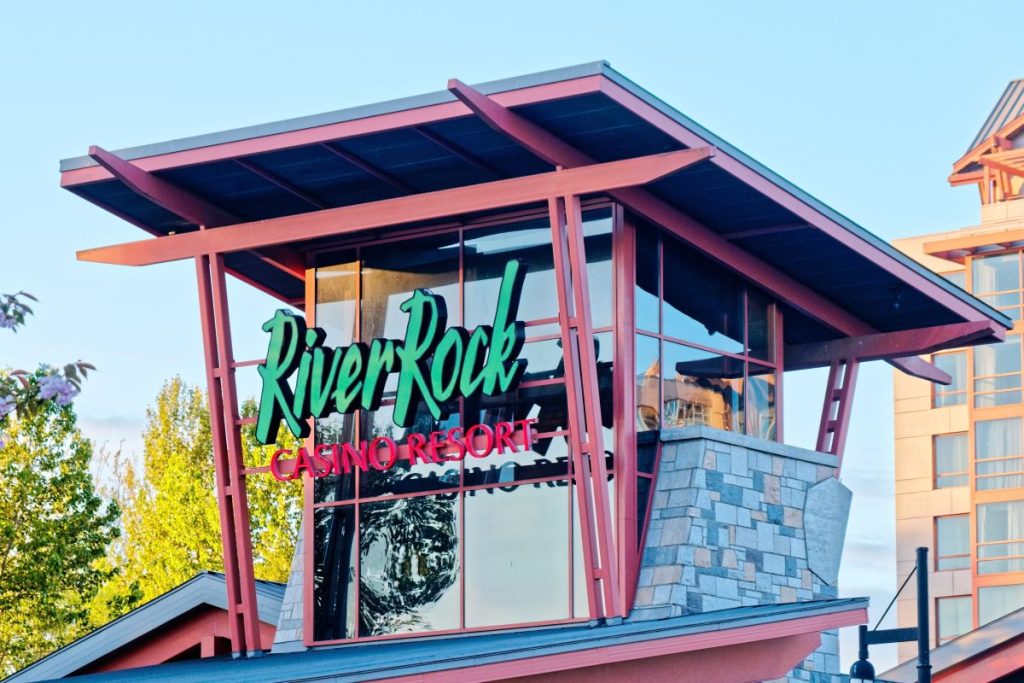
The Vancouver Island nation, whose name is the etymological root of the present-day name of the city of Nanaimo, has bought five separate B.C. casinos from Great Canadian Entertainment in the last two years. Those acquisitions range from Casino Nanaimo on its own historic lands to renowned Greater Vancouver properties like River Rock Casino Resort and Great Canadian Casino Vancouver.
Snuneymuxw Chief Mike Wyse and Ian Simpson, CEO of the First Nation’s economic development arm Petroglyph Development Group, said the acquisitions are a concerted effort to maximize the nation’s economic self-determination and long-term prosperity.
Simpson told Canadian Gaming Business last year that Snuneymuxw held “a strong desire” to move into casino ownership for decades before the Great Canadian opportunities emerged in 2024. Casino Nanaimo was the first priority on the agenda. As part of the deal, the land on which the now-First Nations casino is located, a part of the Snuneymuxw xwsol’lexwel village, was returned to the First Nation.
“It’s important to the nation for us to be reacquiring these sites by whatever means necessary,” Simpson said of that acquisition. “In this transaction, we’re paying market value for land that was taken from us, which is bittersweet, but we’re really happy to have it brought back to us.”
Snuneymuxw help to set trend
Simpson also predicted at that time that more Indigenous nations could follow the lead of Snuneymuxw’s early acquisitions.
“Other nations in B.C. and even across Canada can follow that same path that we’ve gone down to acquire these gaming assets for the benefit of their own nations,” Simpson said. “I’m quite confident we’ll see that in the not-too-distant future.”
Since he made those comments, things have developed significantly.
Staying in B.C., coast-to-coast operator Great Canadian has sold facilities to three other local First Nations:
- The casino operations at Hastings Racecourse & Casino to the Tsleil-Waututh Nation
- Elements Casino Chilliwack to the Ts’elxwéyeqw Tribe
- Elements Casino Surrey at Fraser Downs to the Semiahmoo First Nation
As with Snuneymuxw, each of those First Nations cited a desire to strengthen their communities and their self-determination through gaming ventures, as well as to decrease their reliance on federal government funding.
Once they are all completed, Great Canadian will have sold eight of its nine B.C. casinos to various Indigenous groups, leaving the Chances Dawson Creek location in the remote northeastern municipality near the border with Alberta as the lone casino in the corporation’s once-stacked B.C. portfolio.
Alberta casinos change hands as iGaming arrives
Speaking of Alberta, things are changing there, too. As the province embraces commercial regulated iGaming, major First Nations casino deals have altered its brick-and-mortar gaming landscape.
At the end of 2024, Indigenous Gaming Partners (IGP), a group of five rural Nova Scotia First Nations working with casino company Sonco Gaming, bought the casino operating assets of Edmonton-based PURE Canadian Gaming, including:
- PURE Casino Edmonton
- PURE Casino Yellowhead
- PURE Casino Calgary
- PURE Casino Lethbridge
Then, in late March, IGP-owned PURE, now known as PURE Casino Entertainment, acquired Alberta casino operator Gamehost Inc. In doing so, it took over a portfolio that includes Deerfoot Inn & Casino in southeast Calgary, Rivers Casino and Entertainment Centre in Fort McMurray and Great Northern Casino in Grand Prairie, as well as multiple hotels.
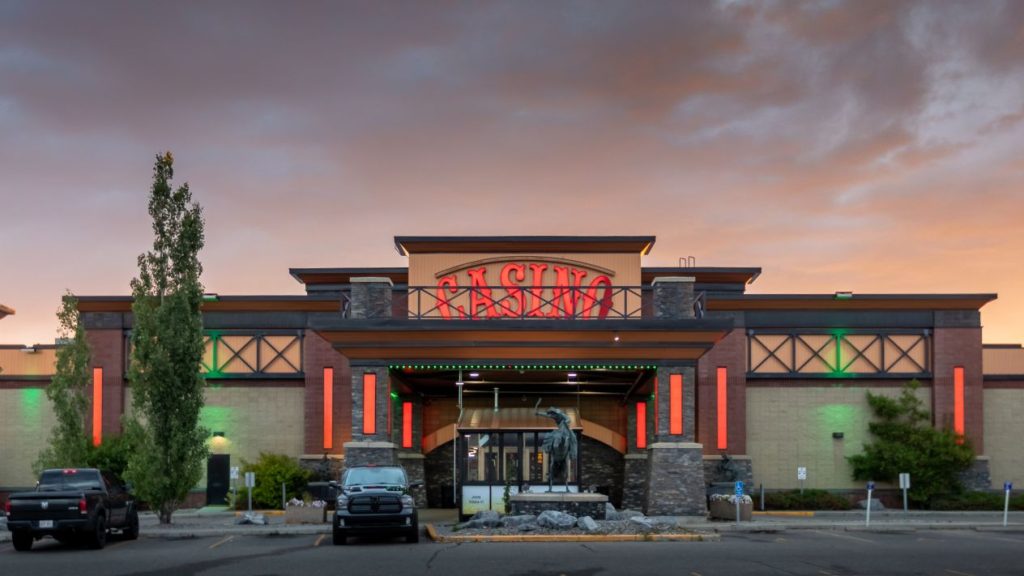
Like Snuneymuxw, IGP is focused on developing a portfolio of First Nations casinos through strategic acquisitions, with a mission to create meaningful economic opportunities for Indigenous communities.
“The PURE acquisition has done what we set out to do,” IGP Chairman Michael Peters, CEO of member First Nation body Glooscap Ventures, told Canadian Gaming Business. “It’s created a new source of own-source revenue and added additional diversification for our partner First Nations.”
To that point, Peters’ Glooscap First Nation generated more than $600,000 in six months between acquiring the initial slate of PURE Canadian Gaming casinos and the end of the 2024-25 fiscal year, money that the nation put towards community and infrastructure services like housing and healthcare.
“The first year has been focused on integration and stability,” Peters added. “We’re now starting to see the value of scale. Bringing multiple properties together gives us a stronger platform for disciplined growth.”
As well as brick-and-mortar First Nations casino developments, new digital opportunities have emerged in Alberta.
Previously limited to in-person activities, the opening of the province’s regulated iGaming market on July 13 has offered Indigenous operators the chance to expand their horizons into online and mobile gaming. PURE has registered to offer a digital Pure Casino brand provincewide, and River Cree Resort and Casino will also offer a licensed online platform.
A new chapter for First Nations gaming
Now, with five B.C. casinos and seven Alberta casinos, respectively, Snuneymuxw and PURE Casino Entertainment have quickly become two of the largest First Nations casino operators in Canada. They are the headliners of this developing story, but other characters may well emerge in the coming months and years.
“First Nations from coast to coast are extremely well-positioned to enter into the gaming industry,” Anthony Novac, President of IGP partner Sonco Gaming, told Canadian Gaming Business last year. “There’s interest, there’s access to capital, there’s expertise. Gaming opportunities are attractive, and they’re also viable.”
Peters added that the heart of the matter is that First Nations are moving beyond participation in gaming and into outright ownership.
“Ownership changes the conversation,” Peters said. “It creates long-term revenue, provides more influence over decision-making, and allows for more room to align business goals with community priorities. First Nations have a long history of being involved in gaming and have operated casinos successfully. What we are seeing now is an expansion of those opportunities beyond reserve lands and into broader commercial markets.
“Gaming is part of a larger economic story. Indigenous communities increasingly have the governance capacity, the capital partnerships and the strategic experience to lead major transactions. That is good for our communities, and it is also good for the industry as a whole.”
As federal lawmakers continue to debate the idea of strengthening and codifying First Nations’ jurisdiction over gambling on their lands via the proposed Act to Amend the Criminal Code and the Indian Act, forward-thinking groups like Snuneymuxw First Nation and IGP’s PURE are charting a course for others to follow and writing the next chapter for First Nations casinos and communities.
A version of this story first appeared in the Summer 2026 issue of Canadian Gaming Business magazine.
To stay updated on all things Canadian gaming, why not sign up for our weekly Canadian Gaming Business newsletter, sent directly to your inbox every Friday?