Times are changing for First Nations gaming in Canada, as Michael Peters knows well.
Peters is the Chair of Indigenous Gaming Partners (IGP), a group of five Nova Scotia First Nations working with casino operator and management company Sonco Gaming. He is also the Chief Executive Officer of Glooscap Ventures, the economic development and investment arm of IGP member Glooscap First Nation.
After multiple high-profile acquisitions over the last 18 months, IGP now owns a portfolio of seven brick-and-mortar casinos in Alberta. Ahead of speaking at SBC Summit Canada in Toronto in May, Peters stopped by to talk about the movement that’s happening across Canada in First Nations gaming right now.
Parts of this interview have been condensed for length.
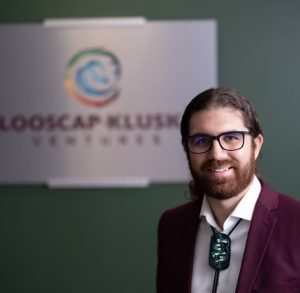
CGB: Michael, for those who may not know, what is IGP’s mission statement? And where does Glooscap come in?
Peters: At its core, IGP brings together Indigenous ownership, strong governance and experienced operators to build a portfolio of high-quality gaming and hospitality assets across Canada. For me personally, this work goes far beyond business opportunities. It’s about building an economic foundation that allows communities to make more of their own decisions; to invest in their people and ensure that future generations have greater opportunity.
That’s the lens we bring. Our model ensures Indigenous communities have meaningful ownership in a major Canadian industry. It’s a collaborative approach, with all five Nations and their respective board representatives working together to guide decisions and shape the direction of the partnership.
Our vision is to build equity and take a leadership role in the sector, while delivering long-term value for our member communities: Glooscap First Nation, Millbrook First Nation, Annapolis Valley First Nation, We’koqma’q L’nue’kati, and Paqtnkek Mi’kmaw Nation. It reflects a broader shift toward economic self-determination. Glooscap Ventures plays a key role in that; our mandate has been to build a diversified portfolio of businesses that generate reliable, recurring revenue. We’ve taken a disciplined approach, focusing on strategic partnerships and investments in sectors that can provide stability and create a resilient economic base that supports the community over time.
Gaming fits directly into that broader strategy. It adds scale, diversification and access to a well-established industry with strong operating fundamentals. But more importantly, it aligns with our long-term objective: building economic strength in a way that supports housing, education, infrastructure and opportunities for future generations.
CGB: It’s been more than a year since IGP purchased the operating assets of Pure Canadian Gaming, a well-established casino operator in Alberta. Can you fill us in on the work the group has done since that acquisition?
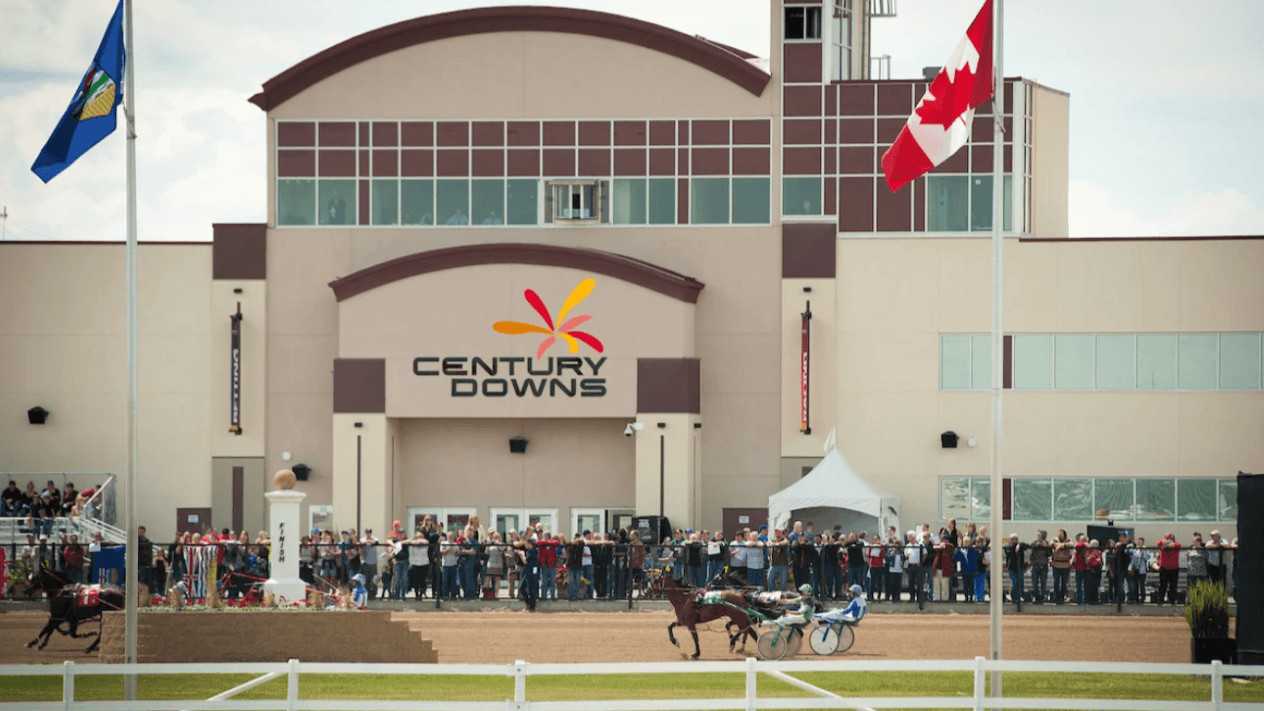
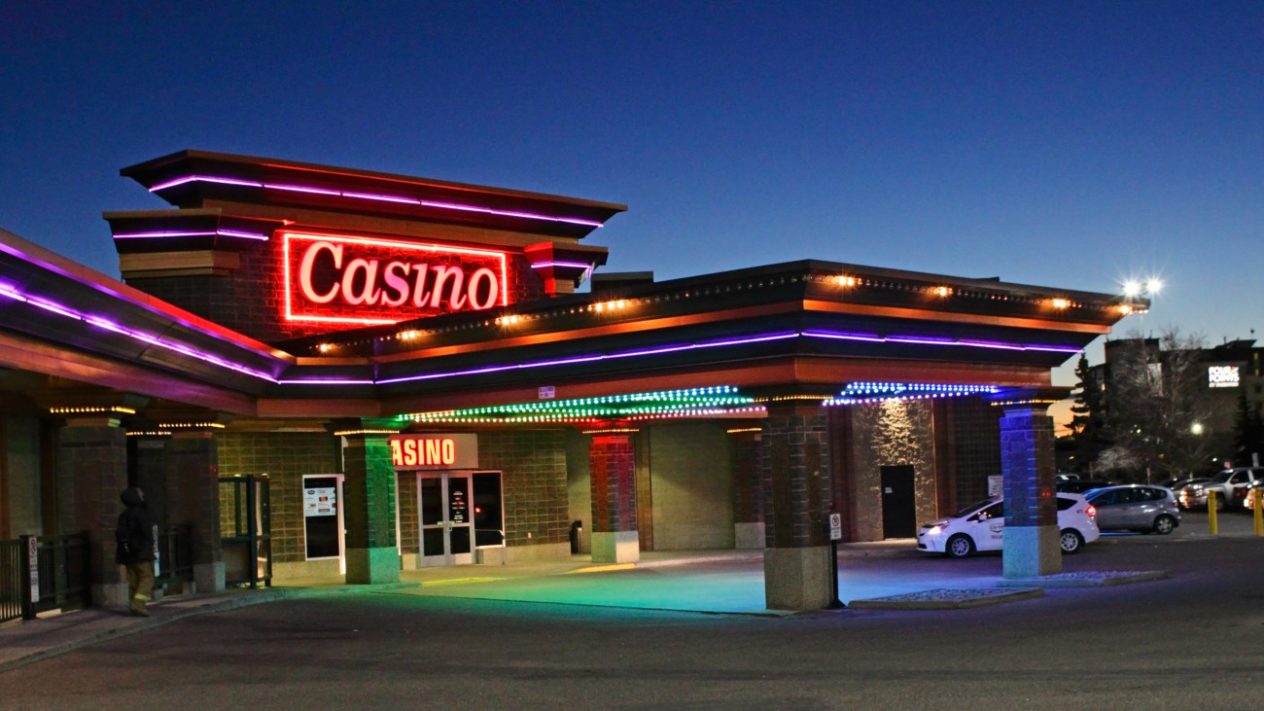
Peters: It’s been a really exciting year. It has really been about building a solid foundation. Through Pure Casino Entertainment Limited Partnership, IGP owns and operates Pure Casino Edmonton, Pure Casino Yellowhead, Pure Casino Calgary and Pure Casino Lethbridge. Collectively, those properties employ more than 1,200 people and welcome millions of guests each year.
Since that acquisition, the work has focused on operational excellence, governance and long-term planning. We have worked to support the teams already in place, maintain a strong guest experience and make sure the transition to Indigenous ownership is backed by the right structures and the right partners.
We are also investing back into the properties. A major renovation is underway at Pure Casino Calgary, and we’re looking forward to welcoming guests into a newly updated facility later this year.
From my perspective, the first year has also reinforced something we already believed: gaming can provide stable revenue when it is approached with discipline. At Glooscap, we have tried to build a portfolio where different sectors serve different purposes but all contribute to long-term resilience. Gaming fits that model very well.
CGB: Just a few weeks ago, Pure announced an agreement to acquire more Alberta casinos. How did that opportunity arise? Will IGP and Pure look to make similar strategic M&A moves elsewhere?
Peters: Pure has entered into a definitive agreement to acquire all the issued and outstanding common shares of Gamehost, and the deal is expected to close in mid-2026. If and when finalized, it would cement Pure’s position as Alberta’s largest casino operator, with seven casinos and three hotels spanning the province’s biggest regional markets.
It was a strategic fit. We’re looking for quality assets in a stable jurisdiction, and this opportunity aligned with that. It reflects IGP’s continued growth and focus on high-quality gaming assets across Canada, and it’s also significant because it would represent a rare example of a First Nations-led group taking a public company private in Canada.
As for future acquisitions, our approach remains the same: We are looking for assets that are well-run, market-leading where possible, and capable of generating stable long-term value. Do they strengthen the portfolio and create dependable value that can flow back to community priorities? For our communities, the value is in ownership. This is revenue tied to real assets and long-term value creation for our community.
To that end, the Pure acquisition has done what we set out to do. It’s created a new source of own-source revenue and added additional diversification for our partner First Nations. The first year has been focused on integration and stability. We’re now starting to see the value of scale. Bringing multiple properties together gives us a stronger platform for disciplined growth.
CGB: Outside of IGP’s work with Sonco Gaming, a notable trend has emerged in B.C. of First Nations buying land-based casinos, citing similar economic and self-determination motivations. Are we witnessing something of a fundamental shift in the landscape?
Peters: I think we are seeing First Nations move beyond participation into ownership. That is significant, because ownership changes the conversation. It creates long-term revenue, provides more influence over decision-making, and allows for more room to align business goals with community priorities.
First Nations have a long history of being involved in gaming and have operated casinos successfully. What we are seeing now is an expansion of those opportunities beyond reserve lands and into broader commercial markets.
So, yes, I do think gaming is part of a larger economic story. Indigenous communities increasingly have the governance capacity, the capital partnerships and the strategic experience to lead major transactions. That is good for our communities, and it is also good for the industry as a whole.
CGB: As things continue to progress for First Nations gaming interests across the country, how can the rest of the industry collaborate in a meaningful manner to the benefit of all parties?
Peters: Meaningful collaboration starts with recognizing Indigenous groups as long-term business partners and as leaders, not as stakeholders to be consulted. That means making room for equity participation, building partnerships that create opportunities for Indigenous businesses across procurement, services, construction, security, hospitality and operations.
It also means investing in our people. One of the things I care about deeply is making sure young Indigenous people can see themselves in all of Canada’s industries as employees, as managers, as executives, as entrepreneurs, as tradespeople, and as owners. The same principle applies in gaming. Economic participation should lead to career pathways and leadership pathways.
The best partnerships are built on respect, honesty and a long-term vision for the future. The gaming industry has an opportunity to work with First Nations in a way that strengthens businesses and creates broader social and economic value at the same time. When that happens, everyone benefits: operators, communities, employees, regulators and the provinces where these businesses operate.
Michael Peters will be speaking at SBC Summit Canada 2026 on May 21 on a panel titled ‘Building Sovereignty: The Rise of First Nations Ownership and Innovation in Western Canada’s Gaming Sector’.
To catch this panel, along with the full conference program and everything else that SBC Summit Canada has to offer, secure your ticket here. Affiliates and operators qualify for complimentary passes.