The Mohawk Council of Kahnawà:ke this week pulled out of the Supreme Court appeal over the question of whether Ontario can pool liquidity of peer-to-peer iGaming with other countries.
The Québec-based First Nations authority was an intervening party in the initial Ontario Court of Appeal reference question filed in late 2024, which was raised by the government of Ontario and comrades including the Canadian Gaming Association and major poker operators Flutter (PokerStars) and NSUS (GGPoker).
After the Ontario court said that it would indeed be legal under the Criminal Code for the province to connect players of peer-to-peer games such as online poker and daily fantasy sports with players in other nations, numerous Canadian Lottery Coalition members filed an appeal in the Supreme Court:
- Atlantic Lottery Corporation (ALC)
- British Columbia Lottery Corporation (BCLC)
- Manitoba Liquor and Lotteries (MBLL)
They have since been joined in the appeal by Loto-Québec, while Alberta Gaming, Liquor, and Cannabis (AGLC) is an intervening party advocating on the side of Ontario.
Supreme Court appeal risked wasting Kahnawà:ke’s resources
However, while those crown corporations have jumped into the fight, the Mohawk Council of Kahnawà:ke has backed out.
“The Mohawk Council of Kahnawà:ke carefully considered its involvement at the appellate level and determined that its perspective would be sufficiently reflected by other intervenors in the proceedings based on the arguments raised at the Court of Appeal,” a representative of MCK, Tehosterihens Deer, told Canadian Gaming Business by email.
“In addition, the Council is mindful of the need to allocate its resources strategically and did not consider that further participation would be the most effective use of those resources in this instance. As a result, it elected not to seek leave to intervene before the Supreme Court of Canada.”
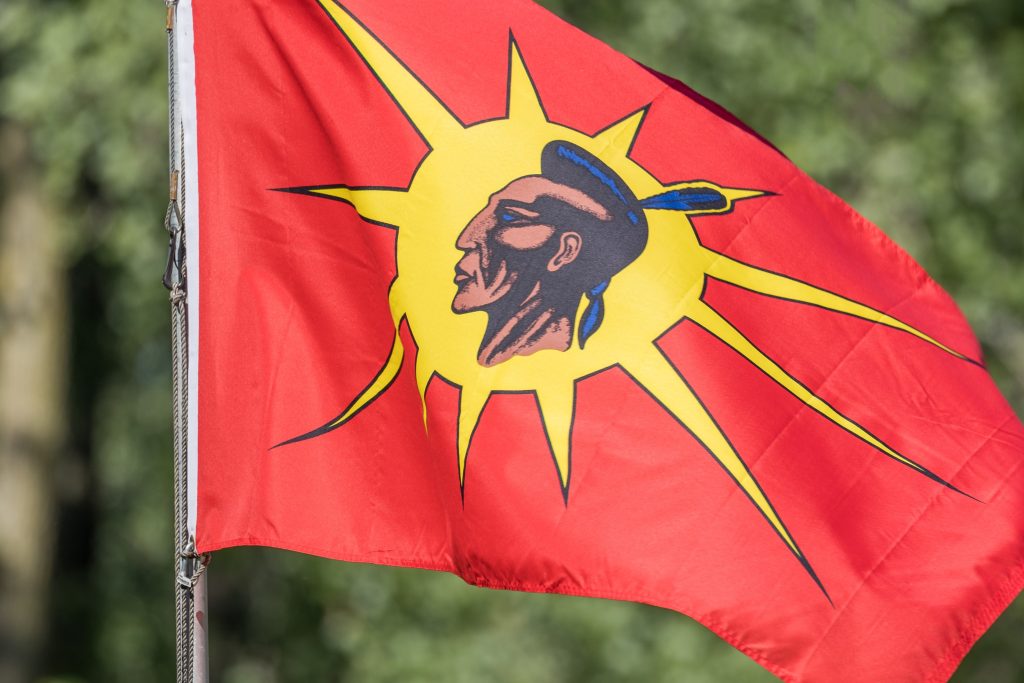
The Mohawk Council of Kahnawà:ke is the primary governing and administrative body for the Kahnawà:ke Mohawk Territory, a First Nations reserve near Montreal. It conducts and licenses gaming from its territory, overseen by the Kahnawà:ke Gaming Commission (KGC).
In addition, its wholly-owned Mohawk Online Limited subsidiary was also formerly the operator of the Sports Interaction online gaming platform in Canada outside Ontario via an agreement with Entain that ended in late 2024. Sports Interaction was one of the first brands licensed by the KGC in the 1990s.
In its filings in the original Ontario appeals court reference question over international liquidity, Kahnawà:ke alleged that a proposed player-pooling model would be illegal because it would not be entirely hosted “in” Ontario. The government of Ontario and other supporters of the idea contend that, as the Ontario side of the game would be hosted and regulated by the province, it should be legal; an opinion the Ontario court broadly agreed with.
Kahnawà:ke lost a previous court fight
The Mohawk Council of Kahnawà:ke has an unsuccessful recent history of challenging Ontario online gambling in court.
It lost an Ontario Superior Court case in mid-2024 in which it had argued that Ontario’s existing iGaming model was illegal and unconstitutional. The Council claimed that the province had re-interpreted the Criminal Code, which permits provinces to regulate single-event sports betting, by allowing operators to “conduct and manage” themselves, and also argued that Ontario iGaming compromises First Nations gaming rights.
Supreme Court Justice Lisa Brownstone rejected Kahnawà:ke’s challenge, finding that iGaming Ontario (iGO) runs online gaming in a perfectly legal way.
Kahnawà:ke opted not to appeal that decision to a higher court. It shut down Mohawk Online Limited’s operations in Ontario as a result of the verdict.
Alberta and Ontario want to group together
The Mohawk Council of Kahnawà:ke’s exit from the Supreme Court appeal comes a few weeks after the government of Alberta entered the chat, being approved as an intervenor and filing its first submission in the case.
In a factum filed May 25, Alberta Attorney General Mickey Amery argued that nothing in the Criminal Code should be interpreted as preventing Ontario from connecting P2P play with other jurisdictions if all involved jurisdictions agree.
Speaking of agreeing, Alberta iGaming Corporation CEO Dan Keene confirmed in comments at SBC Summit Canada in Toronto last month what his counterpart at iGO, Joseph Hillier, and Alberta minister Dale Nally previously told Canadian Gaming Business: Alberta and Ontario want to share player pooling to whatever extent possible.
“We’re currently working on a memorandum of understanding with Ontario about interprovincial liquidity,” Keene said during a panel at the event. “We’ll try and get that done as quickly as we can with our friends in Ontario. We are in favour of that … From a business and commercial perspective, it makes a lot of sense.”