Canadian iGaming warned it is losing its social license when it comes to advertising
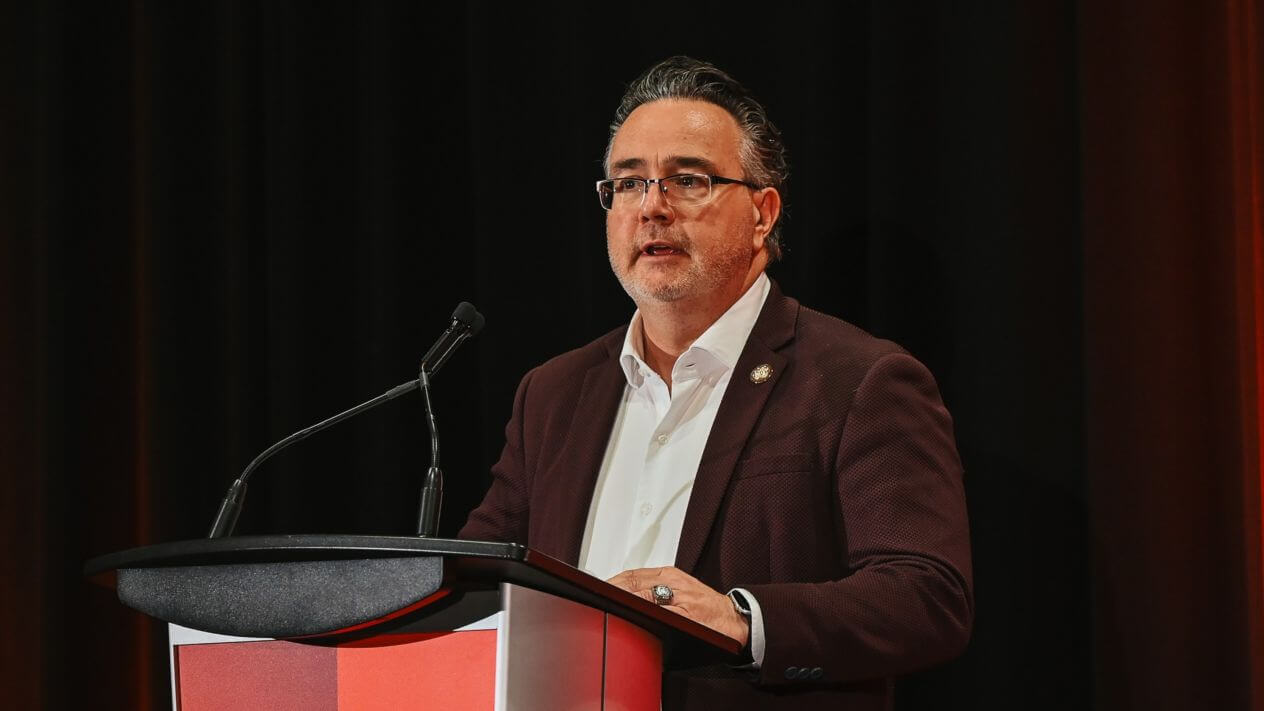
Patrick Harris, President of Rubicon Strategy, issued a stark warning to the gambling industry in Canada that it is losing its social license when it comes to advertising.
“I’ve been screaming this from the rooftops for a while now, the industry needs to come up with some tangible solutions to deal with the proliferation of advertising; if not, the government is going to intervene”, stated Harris as he issued a rallying cry to the industry to step up during a panel session at SBC Summit Canada.
Ariane Gauthier, Spokesperson for the Quebec Online Gaming Coalition, elevated this warning as she revealed that one of the key reasons cited in Quebec for the lack of willingness to embrace iGaming was the levels of advertising seen in the Ontario market since its opening.
Nonetheless, she stated that the ability to advertise is a key tool of the regulated industry and shouldn’t be too significantly handicapped as regulated operators compete against the unlicensed sector.
Offering advice to the Quebec market, Harris stated that it is hugely beneficial that Ontario and Alberta have set their regulatory goals up for opening, which have helped guide the framework in a direction that is effective.
It comes as Gauthier expressed significant optimism that Quebec could progress with iGaming in the coming years.
Gauthier lamented the absence of political leadership in Quebec in recent times, but was buoyed by an upcoming election and probable leadership change on the horizon, which she hopes will bring a shift in the approach to iGaming.
Right now, according to Gauthier, Quebec is ‘facing a Minister of Finance who is personally opposed to regulating iGaming. He personally believes that eye gaming should be hidden, controlled by a monopoly, and essentially invisible.’
But Harris emphasised that it is political leadership that drives the shift towards iGaming, underpinning the pivotal crossroads that Quebec is facing as an election approaches.
She continued: “I think one of the lessons learned from Ontario and Alberta is around the importance of the collaboration between the industry and the government public policymakers”, warning that this is not necessarily natural in Quebec.
Mirroring the approach of the other Canadian markets is not necessarily the most beneficial path for potential new markets in Canada, though.
Gauthier emphasised: “I think Alberta’s example shows us that we can gain the inspiration for the mechanism of the regulation from Ontario, but our own rules may be a little bit different.”
She pinpointed advertising as a key area variable that could be differentiated in the new markets as they take a nuanced approach from Ontario.
As frameworks develop across Alberta and Canada in general, Troy Ross, President of TRM Public Affairs, was confident that shortfalls in US policy that have been exploited by derivative prediction markets won’t be replicated in the Canadian market, taking aim at the messy US approach that has led to the prediction market surge.