As another Canadian province prepares to greatly expand its gaming market, Las Vegas giant Caesars Entertainment is taking a cautious approach to the idea of deepening its brick-and-mortar footprint north of the border.
One of the most recognizable names in land-based casinos and sports betting, Caesars owns or operates more than 50 physical properties in the U.S. under various brands, including its own name as well as Harrah’s, Horseshoe, Tropicana and Eldorado.
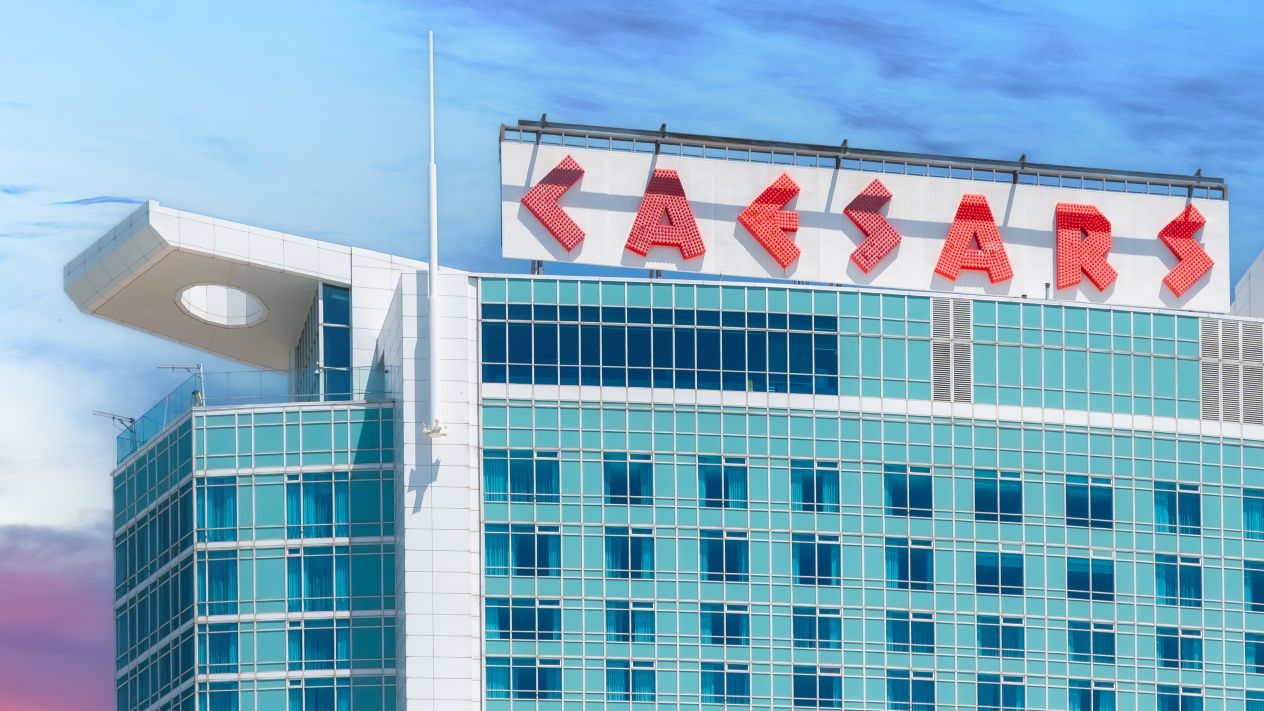
The Reno, Nevada-based company also has a longstanding existence in Ontario through Caesars Windsor, near the waterfront of the Detroit River. The Windsor casino and its accompanying full-service retail Caesars Sportsbook remain the operator’s only branded land-based resort in the country.
CEO Tom Reeg was asked on an earnings call this week whether the company could pursue additional opportunities for casino expansion up north.
“We would look elsewhere in Canada,” mused Reeg. “But I’ll tell you, most of what you find in Canada, to get a property the scale of Windsor, you have to operate a number of very, very small properties in tough locations. And that’s not typically been interesting to us.”
Caesars taking firmer control of Windsor
Caesars has operated the Windsor casino, which is publicly owned by Ontario Lottery and Gaming Corporation (OLG), since 1998. It rebranded from Casino Windsor to Caesars Windsor in 2008. Last May, Caesars was selected by OLG to continue for another 20 years, reportedly beating out competing bids from Bally’s and Mohegan.
Caesars executives confirmed on the Feb. 17 call that as of March 2026, the border city resort will transition to an owned property, changing Caesars’ status from management contractor (as it is at some of its tribal casinos in the U.S.) to independent operator. In practice, little will change. Casino staff will be officially under Caesars umbrella rather than OLG’s, the Vegas company will have more license to further integrate its back-of-house system and Windsor will be folded in under the Regional properties section on the company’s books.
Reeg was asked on the call whether the renewal and the change of status of Windsor were indicative of any additional opportunities in Canada, or whether it was a unique situation in isolation.
“This was a unique situation for us,” the CEO replied. “We were long-time managers of the asset and we effectively bought the OpCo EBITDA [operating company earnings before interest, taxes, depreciation, and amortization] at two times what it’s doing now. I think we’ll be able to improve upon that as a wholly owned entity.”
The Alberta opportunity
Caesars Windsor is the gaming giant’s historic foundation in Canada, but its presence extends far beyond that these days. The company operates three online gaming platforms in Ontario’s regulated iGaming market: its eponymously branded Caesars Sportsbook and Casino and Caesars Palace Online Casino and the Horseshoe Online Casino app that it introduced north of the border in late 2024.
Caesars will apply for an operator’s license to enter Alberta’s upcoming iGaming market, if it has not done so already. Canadian Gaming Business understands that the company will lean particularly heavily on its Caesars Palace online brand in that province.
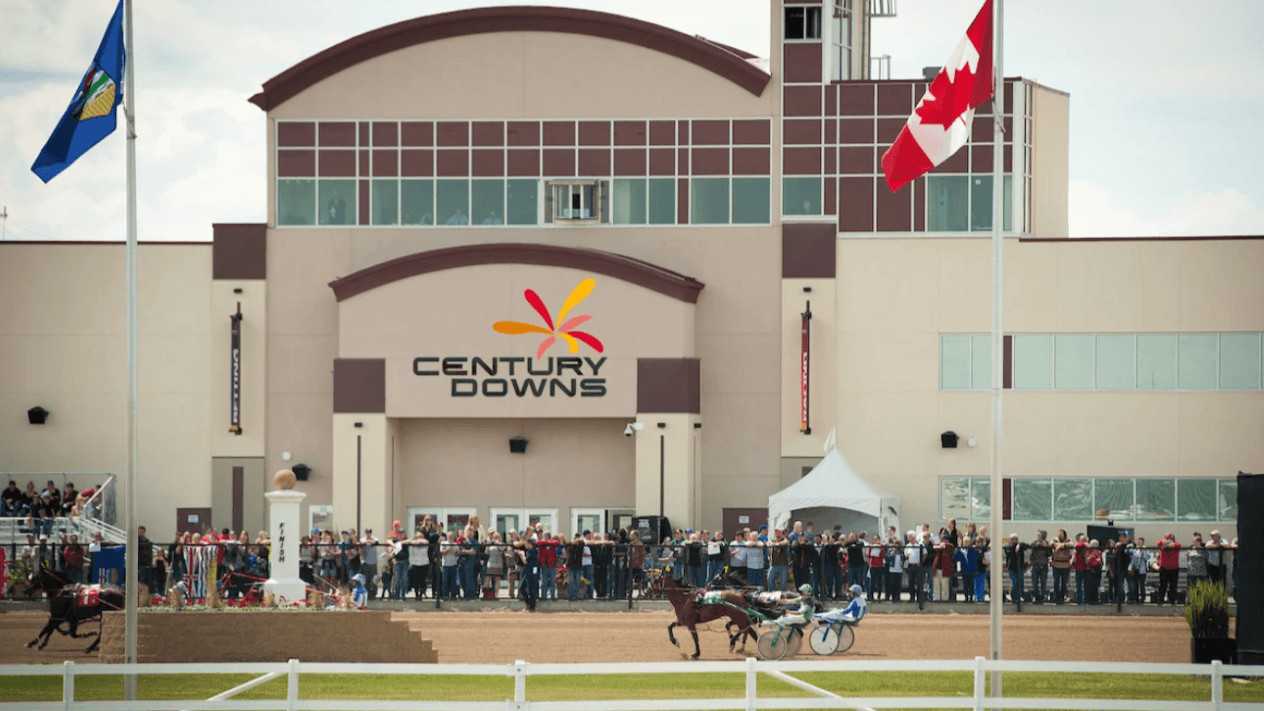
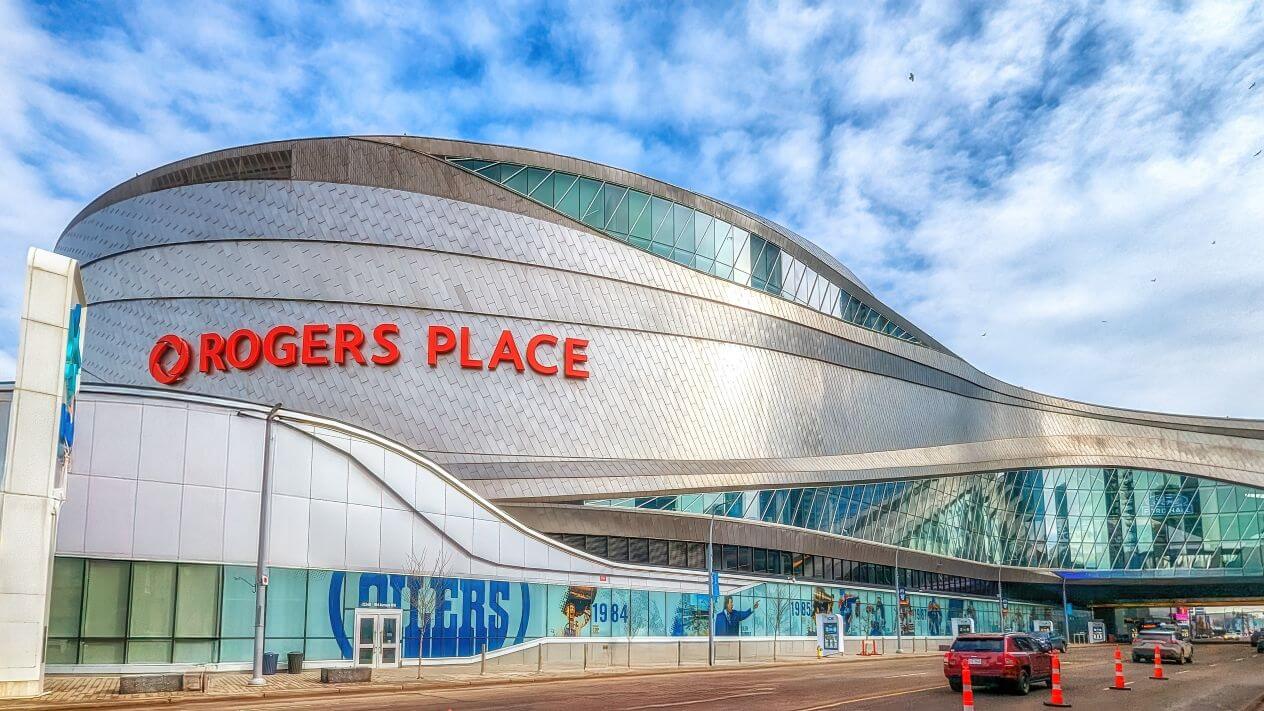
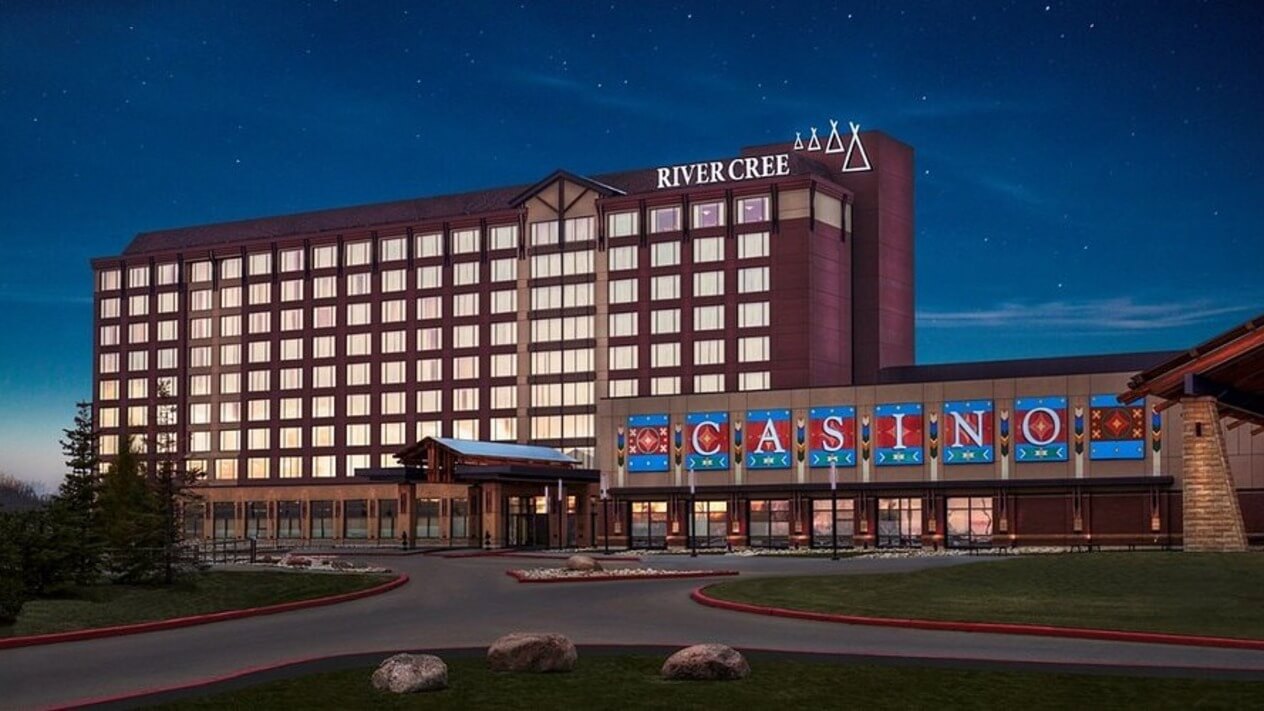
For operators like Caesars who offer sports betting as well as online casino, there are cross-pollination opportunities to pursue if they want to. Alberta Gaming, Liquor and Cannabis (AGLC), which will regulate the upcoming iGaming market when it launches in a few months’ time, will allow the province’s casinos, racing entertainment centres and professional sports teams to partner with licensed iGaming operators to run retail sportsbooks within their venues.
“Operators and land-based casinos were asking for it,” Alberta’s minister responsible for iGaming, Dale Nally, told Canadian Gaming Business last month. “It can be a great revenue opportunity for these land-based casinos.”
We’re still early in the application process, but that may appeal to some. Before AGLC published the first version of its iGaming framework in January, PENN Entertainment CEO Jay Snowden suggested that theScore Bet’s parent company would continue to assess any opportunities to re-establish a brick-and-mortar footprint in Canada. Like Reeg, though, Snowden pointed to a lack of options compared to the U.S.
“There’s not a lot of options there, there’s sort of two large operators in Canada from a retail perspective,” he said on a PENN earnings call in November, referring to Great Canadian Entertainment and Gateway Casinos and Entertainment. “If opportunities presented themselves at the right time and the right price, we would definitely take a hard look at that. There would be synergies from an omnichannel perspective similar to what we’ve seen in the U.S.”