Days after the B.C. government announced it would no longer dedicate a portion of slot machine revenue to Hastings Racecourse, the province’s last operational horse track announced it is shutting down racing.
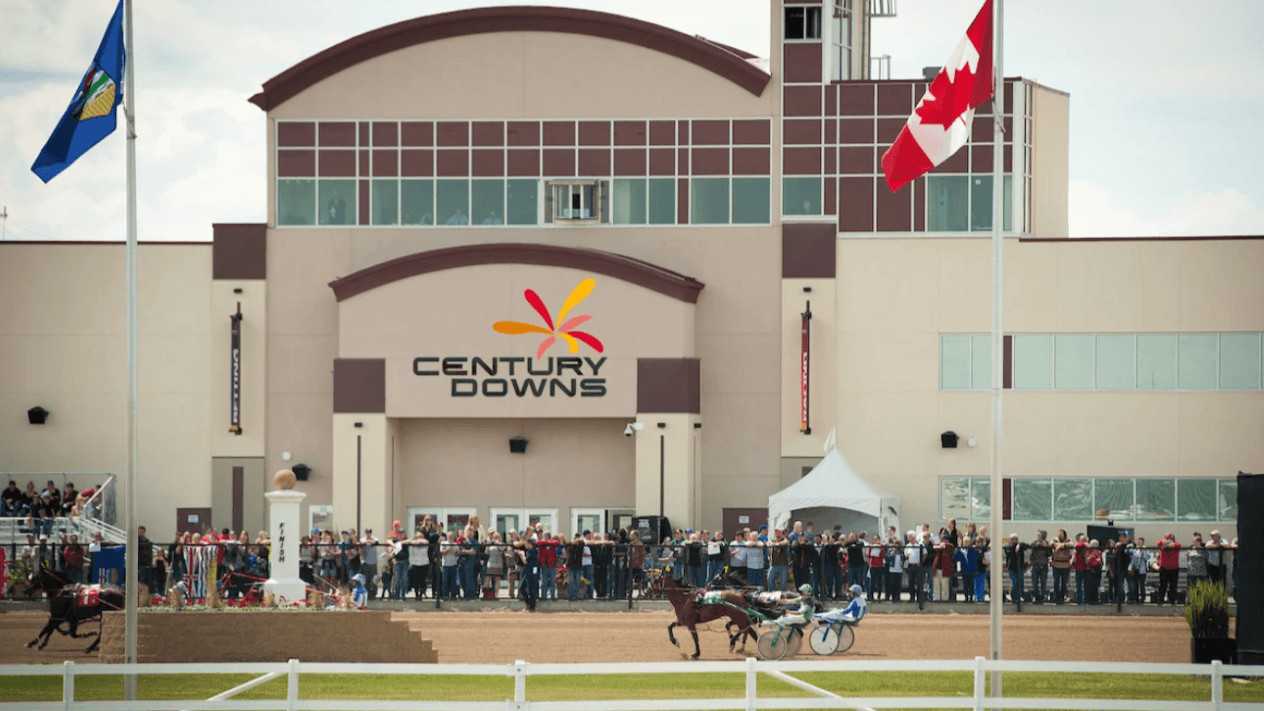
In a statement posted on Friday, Dec. 5, Hastings Racecourse & Casino said that all thoroughbred horse racing at the facility would end, effective immediately. There are currently no horses stabled at Great Canadian Entertainment-operated Hastings as thoroughbred racing runs from April to October.
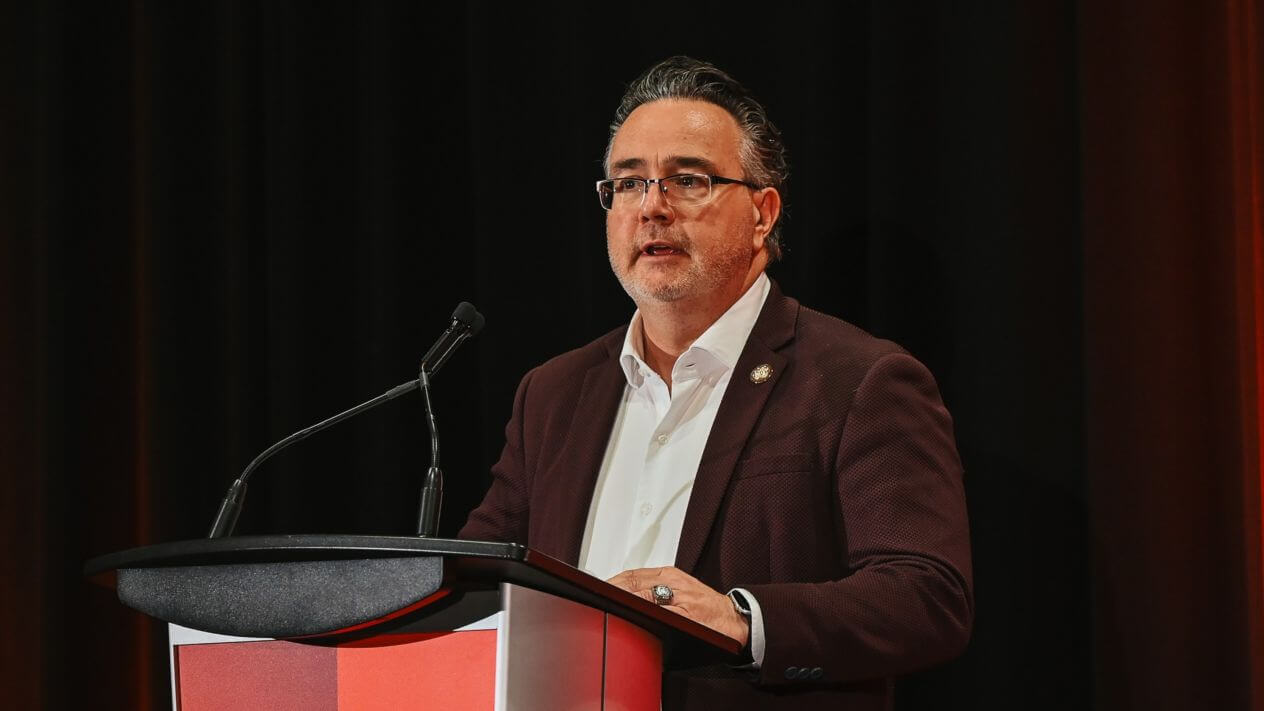
“This was an extremely difficult decision, especially given the historical legacy of Hastings Racecourse in the local community and its importance to the province’s racing industry,” said Great Canadian Regional Vice President Wayne Odegard.
“Unfortunately, this is strictly a business decision based on a lack of economic feasibility to move forward with another season of horse racing at Hastings. We are incredibly thankful for our dedicated team members, racing participants and fan base for their support and patronage for so many years. Our focus moving forward will be supporting our impacted team members through this transition, as well as racing participants as they assess their options for thoroughbred racing in the province in the future.”
The Hastings Park area is speculated to be the most likely spot for the City of Vancouver to build a new soccer-specific stadium for Major League Soccer’s Vancouver Whitecaps and Canadian national team games.
Great Canadian offered no further comment to Canadian Gaming Business.
Great Canadian selling Hastings casino ops to First Nation
Hastings said that the casino operations at the site will not be impacted by this decision, nor will the simulcast racebook at the facility.
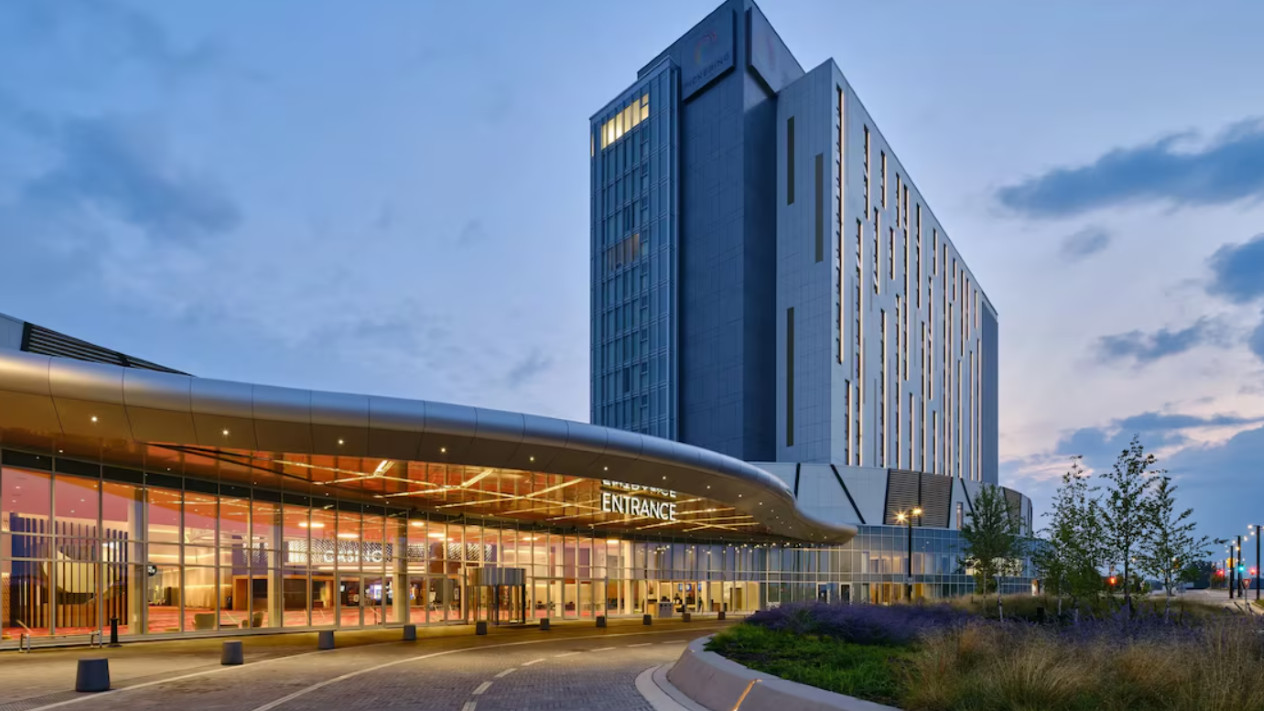
Great Canadian is selling those Hastings casino operations and the casino real estate to the Tsleil-Waututh Nation in a deal that was confirmed in November. The casino operator first announced back in June that the two parties had entered a non-binding Memorandum of Understanding for the deal, and initial talks had presumably been underway for some time before then. and have now formalized it.
The acquisition does not include the now-shuttered racecourse or racing operations.
Great Canadian told Canadian Gaming Business at the time of the government’s Hastings announcement that the decision to halt slots revenue funding is not expected to impact the transaction, which is yet to be completed.
Horse racing ‘not sustainable,’ said government
The race track at Hastings has been in operation for well over a century, first hosting racing in the late 19th century. It was the last remaining active horse racecourse in B.C. after Fraser Downs in Surrey closed suddenly this summer when the city terminated the lease agreement.
Odegard’s reference to a lack of economic feasibility comes just days after B.C. Solicitor General and Minister of Public Safety Nina Krieger revealed that the government would not only decline to provide any additional funding for horse racing but also stop dedicating a portion of slot machine revenues to the Racecourse on Jan. 31, 2026.
Krieger wrote that a government review found “significant financial sustainability concerns” around B.C. horse racing despite revitalization efforts. She added that even with government investment from casino-generated revenue, the B.C. horse racing industry is not sustainable because of a range of factors, primarily declining revenues and public participation and attendance at racing events.
As reported by the Canadian Press, the Horsemen’s Benevolent and Protective Association of B.C. said in a statement that the government funding cut at short notice undermined the foundation of the thoroughbred racing industry. Its president, David Milburn, told CBC that the decision to close Hastings “is, in our view, a direct result of the government taking away our share of the slot machine revenue.”
The portion of slot machine revenue from Hastings Casino and Elements Casino Surrey dedicated to horse racing, currently believed to be 25% of the total and to equate to around $8 million to $10 million, will instead be reallocated under the British Columbia Lottery Corporation’s (BCLC) general revenue and used for public services like healthcare and education from February onwards.