In the final days of 2025, we looked back at the biggest developments and the major storylines in the Canadian gaming industry over the previous 12 months.
In the first days of 2026, we reflect on some of the big questions that we’re hoping to have answered in the 12 months to come.
Will we actually get Alberta iGaming this year?
Around two years after the wheels were first set in motion towards Alberta launching regulated iGaming, we still don’t know much about what a market might actually look like. The enactment of the iGaming Alberta Act last year cleared the way, but the only update from Minister Dale Nally’s office since then is the suggestion in November that the Alberta iGaming Corporation will be officially created in early 2026, and the market’s regulations should be finalized soon afterwards.
Given the way the timelines have been repeatedly pushed back, a launch before the second half of 2026 looks more unlikely with every week that passes without further update. Until then, this one question is actually several. How many operators? What tax rate? What’s allowed, and what’s not? Watch this space. Again.
Will BC regulation whispers grow louder?
While Alberta inches closer to a regulated iGaming reality, could we see another province explore the idea? The Canadian Online Gaming Alliance (COGA) has called on British Columbia to allow commercial operators to compete with the British Columbia Lottery Corporation (BCLC), similar to what happened in Ontario and what is coming in Alberta. Canadian Gaming Association President and CEO Paul Burns said last year that he believes the B.C. government is open to discussing the prospect.
In the meantime, the province is overhauling how it regulates online gambling, creating a new Independent Gambling Control Office (IGCO) to establish “a standards-based regulatory model” and to clarify how roles and responsibilities should be divided between BCLC and IGCO. A prelude to bigger wholesale iGaming change? Not necessarily. But a change of sorts, certainly.
What might a national sportsbook look like?
Back in March 2025, we reported that the Atlantic Lottery Corporation (ALC) and BCLC were hunting for a technology partner for a new “national sports betting solution” shared by multiple Canadian lotteries. The participant lotteries will offer sports betting under a shared PROLINE brand, powered by one shared tech provider, aiming to provide a “best-in-class” platform that can compete with private-sector operators.
That RFP was due to close last spring. An announcement on the chosen provider and the timeline for launching the product will surely follow this year. Loto-Québec told Canadian Gaming Business that it is “willing to consider” joining the scheme, but Ontario Lottery and Gaming (OLG) will not; Ontario’s lottery will belatedly launch a revamped omnichannel sportsbook with new partner Kambi early this year after delays.
What will come of Ontario’s gaming review?
At the 2025 Canadian Gaming Summit in Toronto in June, Ontario Minister of Tourism, Culture and Gaming Stan Cho announced a sweeping review of gaming in the province, aimed at increasing efficiency, boosting economic returns for the province, better protecting players and ensuring greater synergy between land-based gaming and iGaming. In particular, Cho emphasized the importance of land-based gaming to the overall picture, while iGaming continues to boom as a multi-billion-dollar industry.
Exactly what conclusions and future actions the review will throw up remains to be seen, but we know that iGaming Ontario (iGO) is working on a centralized self-exclusion system and both iGO and OLG want to improve their anti-money laundering and financial compliance practices.
Can Ontario take P2P iGaming across borders or not?
After the Ontario Court of Appeal determined that it would be legal for Ontario to pool players of games such as online poker and daily fantasy sports with players in other countries, it seemed the question here would be how Ontario would look to do that. Instead, the question is still whether the province can do so.
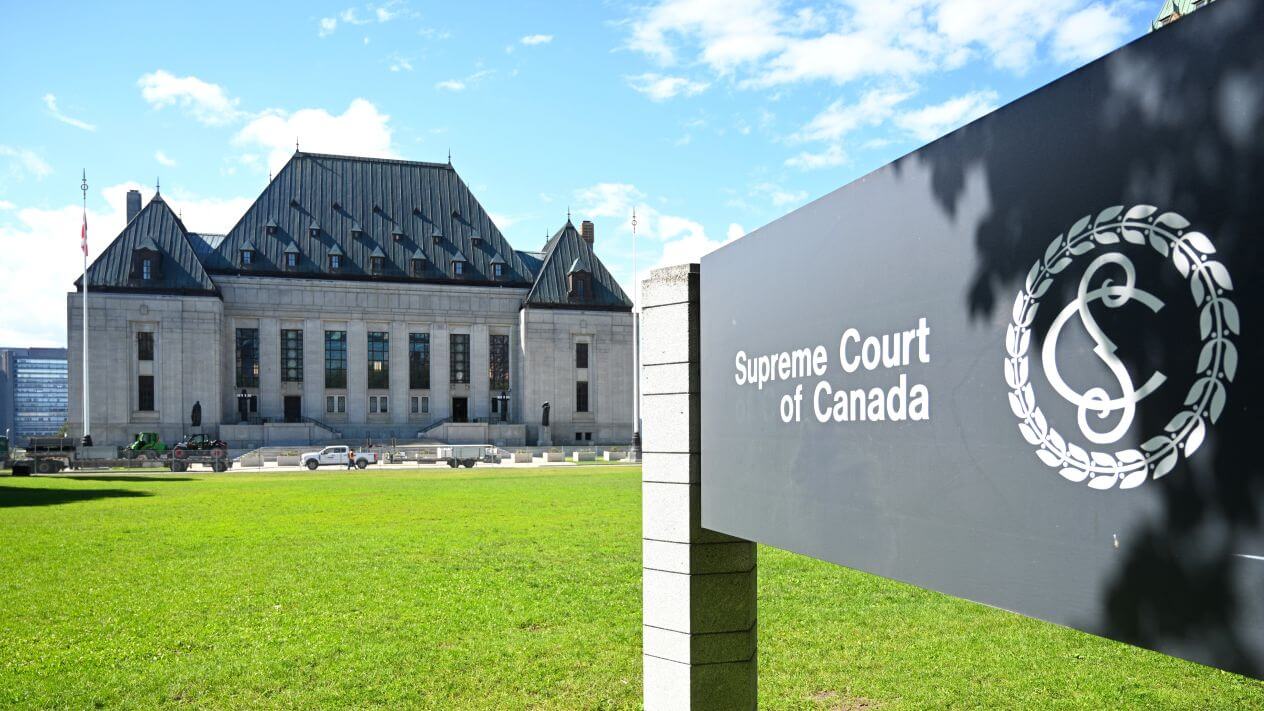
Shortly after iGO President and CEO Joseph Hillier told us he was excited about the potential opportunities that cross-border P2P iGaming may bring for the province, three provincial lotteries took the issue to the Supreme Court, appealing the opinion. The question was first referred to a court nearly two years ago. How much longer it might rumble on is anybody’s guess. But what happens in the Supreme Court could have a seismic impact on the future of iGaming in Canada for years to come.
Will sports betting adverts be limited federally?
From litigation to legislation, another big question that has carried over from 2025 to 2026 is whether we will see any kind of federal sports betting advertising bill passed this year. Once Parliament reconvenes later this month, Sen. Marty Deacon and the dozens of other senators who wrote to Prime Minister Mark Carney about the “public health problem” posed by betting ads will hope to see Deacon’s S-211, the National Framework on Sports Betting Advertising Bill, progress through the House.
Whether or not federal regulation of gambling advertising is needed remains a topic of debate, but the fact that the Senate passed such a bill two years in a row shows there’s momentum there. The previous version, S-269, stalled last year amid Parliamentary backlog and Justin Trudeau’s resignation; with the pathway clearer this year, the push could precipitate lasting change in 2026.
Will First Nations bill make headway?
While S-211 has already cleared the Senate, the Act to Amend the Criminal Code and the Indian Act has further to go. Sen. Scott Tannas’ S-241 seeks to change those laws to affirm that the governing body of a First Nation has the exclusive authority to conduct and manage and/or license gaming on its reserve lands.
In effect, the legislation (another revived version of an older bill) would validate that First Nations can govern gambling on their territory just as provincial governments do in their provinces. The bill is back with more Indigenous input than in previous years, but Tannas acknowledged that there is a long way to go. The mechanics would need great consideration, and getting the provinces on board could be tough. Any deeper discussion of the issue in Parliament could be one of 2026’s more interesting storylines.