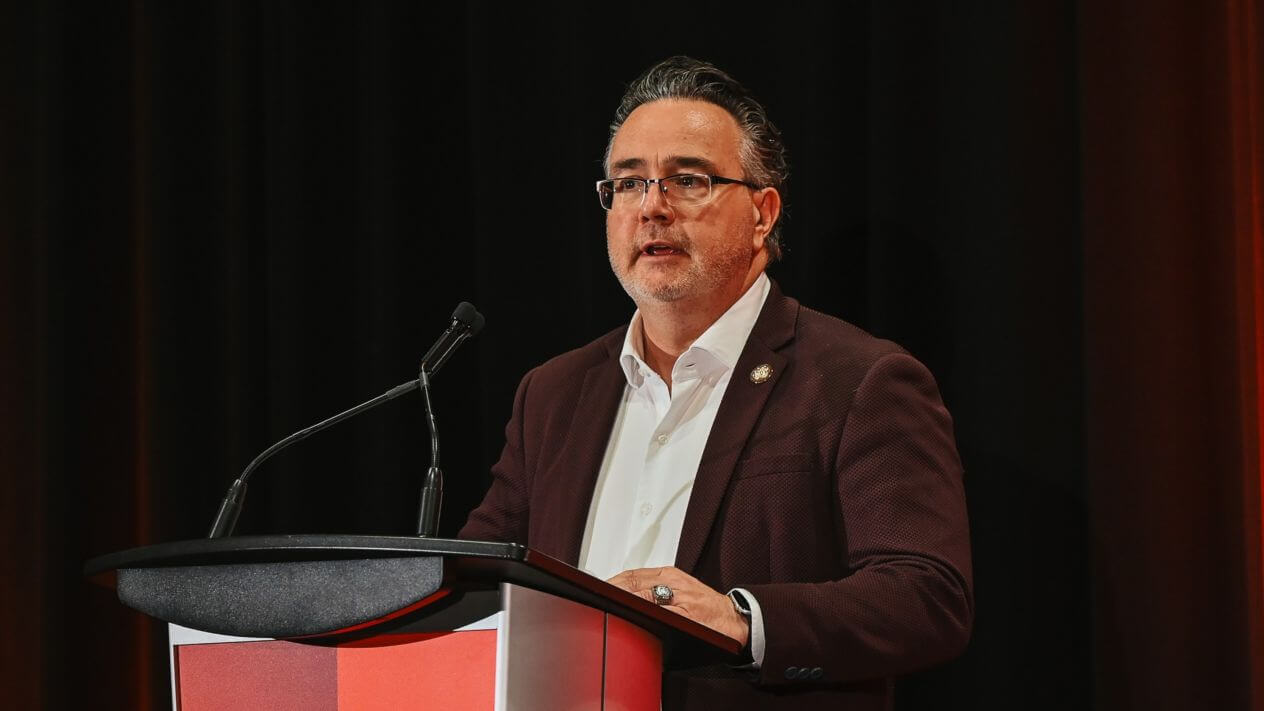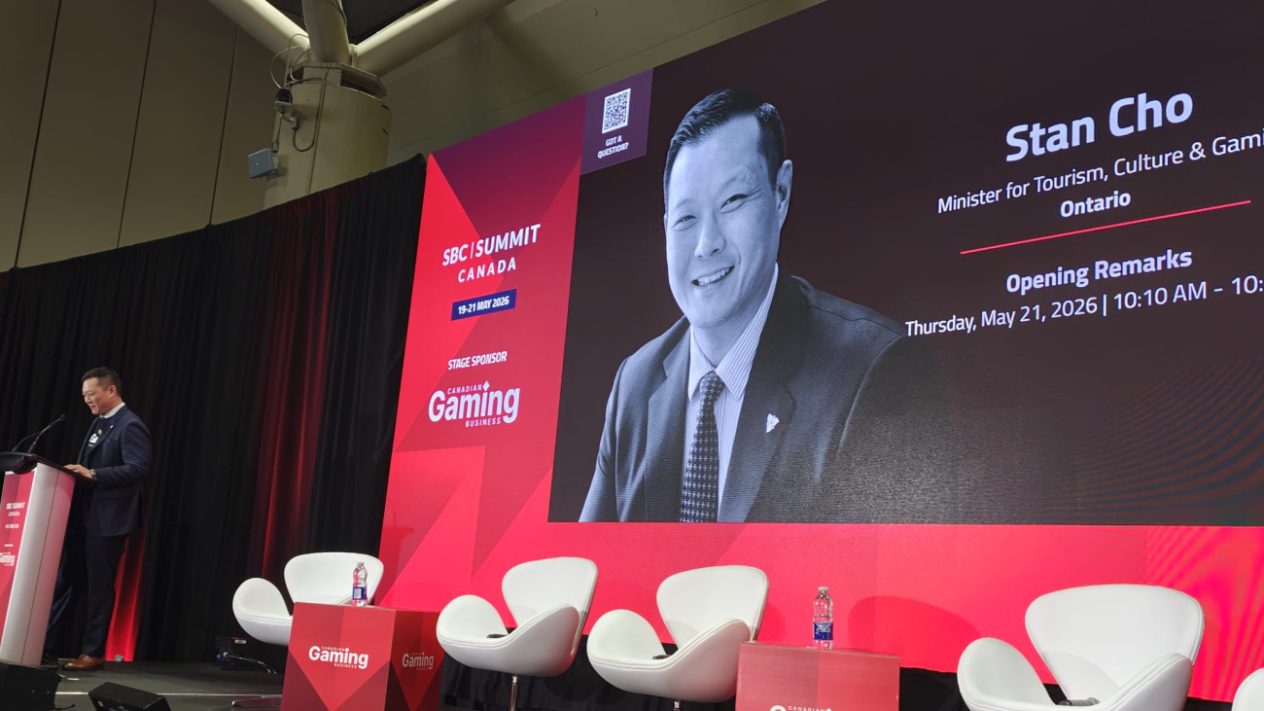
Energetic and charismatic as ever, Stan Cho, Minister for Tourism, Culture & Gaming, Ontario was pulling no punches when he took aim at red tape and needless processes to regulate iGaming, as he expressed that the ‘eyes of the world are on the province’.
Cho reflected on the main ambition that fell on his desk when it came to regulation of gambling, and that was to continue momentum – something that he underpinned was only going to be fuelled by collaboration and breaking down political silos.
“You don’t keep the momentum going by a bunch of politicians making independent decisions,” stated Cho.
“You listen to experts in the industry, and you look to the world at what’s going on, identify trends and patterns, and make sure that you move responsibly. So together, that’s exactly what we’re doing. We are moving this industry forward with operators, innovators, and partners in a responsible and thoughtful manner, while remaining as competitive as we can be.”
As the industry moves forward, he underpinned that all stakeholders are being embraced into the discussions, aiming for a responsible and thoughtful approach.
He also praised the Ontario gaming sector, which is worth $2.6bn and continues to boost the province’s economy, in driving tourism and creating jobs.
Looking back on the growth of the industry, he said: “What started in the 90s is a handful of casinos that evolved into a network of world-class destinations. It’s an example of success that only happens when the government works with its industry partners.
“More than 50 years after Ontario launched Windtario, lottery gaming remains a proud part of our communities, and Ontario’s online gaming sector, of course, continues to evolve very rapidly.
“Since regulation, we’ve created one of the most successful markets in the world, and our model supports innovation and competition while prioritizing player protection. Today, 91% of online players choose regular, sorry, regulated sites. That’s up from 83% last year. That’s
1.2 million active players choosing to participate in the safer gambling environment. That means more gaming activity in Ontario, more jobs, revenue, and more investments.”
It is clear that player safeguards have been taken on as a significant focus for Ontario as it is built its regulatory framework.
Cho praised the strict standards around age verification, advertising rules, and voluntary self-exclusion programs, revealing they invest nearly $70 million annually in prevention, treatment, and support services.
As the industry continues to develop and evolve at a rapid rate, Cho underpinned the vital importance of striking a balance in player protection and choice.
He added that when he ‘announced the review of the gaming sector to reduce red tape, he heard very loudly from the industry and has since been working tirelessly with operators, agencies, and stakeholders’.
“We found nearly 6000 requirements across all agencies, and what we heard is very clear: requirements are unnecessarily duplicated, layered, and more complex than they need to be. Compliance, record keeping, and operational control requirements make up two thirds of the requirements landscape,” he continued.
“Complexity is made worse with multiple agencies involved when you need approval from two different bodies just to smooth a single slot machine, that’s a problem. Here’s how we’re going to fix it. We’ve identified six areas where we can reduce red tape and streamline processes: responsible gaming, AML, financial oversight, data management, audits, and communications, and our goal is simple.
“We want to keep Ontario competitive while maintaining the highest standards for integrity and player protection.”
He concluded by stating that Ontario is in ‘uncharted waters’ and the world is watching the province’s next steps, a statement proven true by discussions from Albertan regulators which have used the blueprint set by the Ontario iGaming sector.
Furthermore, the energy for policymakers for the iGaming sector continues at a crucial time, with the opportunity to bolster momentum significantly elevated by the host nation’s World Cup that edges ever closer.
Whilst challenges remain as do with any market, the willingness of policymakers to continue collaboration with the industry will be to the envy of many more mature markets where conversations have broken down across the globe.