For the second year in a row, the Canadian Senate has given the green light to a bill that would establish national guidelines on how sports betting operators can advertise.
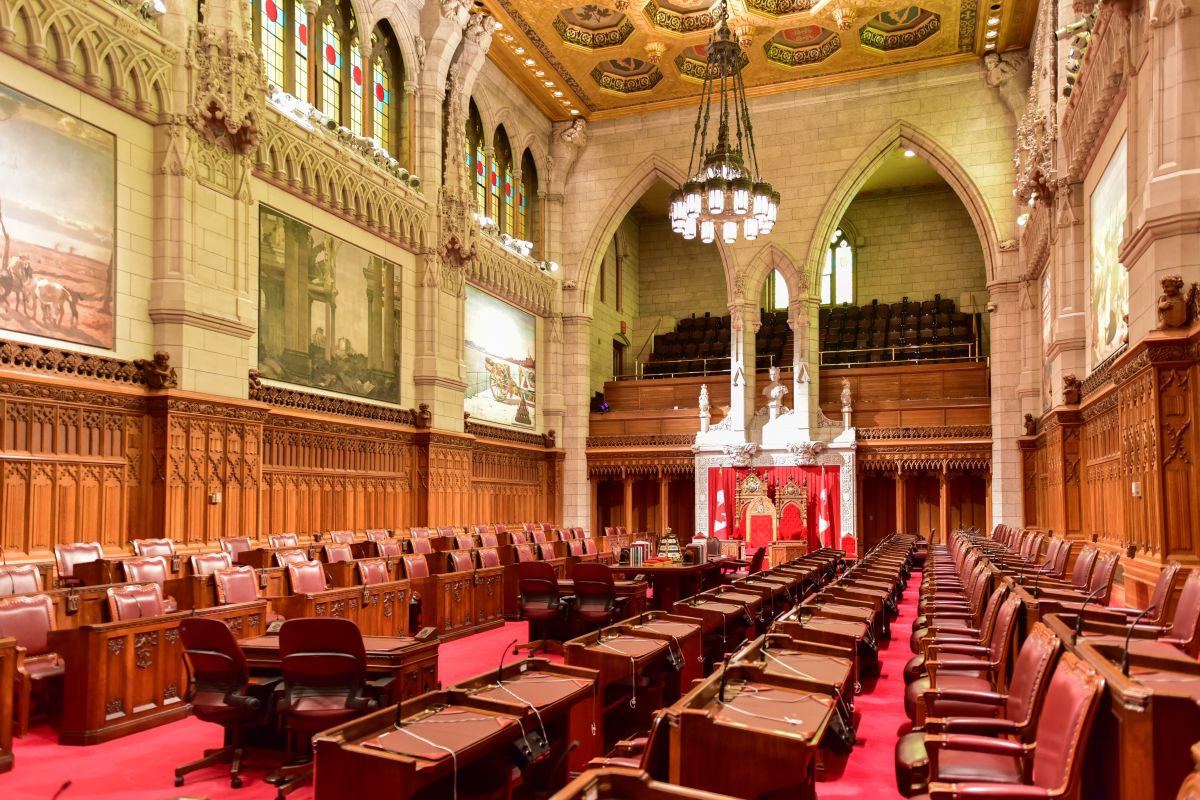
Without debate or dissent, senators passed Sen. Marty Deacon’s S-211, a close replica of 2024’s S-269, by voice vote on Tuesday afternoon at third reading, 11 days after it was given fast-track approval by the Standing Committee on Transportation and Communications.
“I hope that was both a reflection of the fact that the bill is a carbon copy of Bill S-269, which had cleared the Senate in the last Parliament, and also an acknowledgement that this is a problem that is not going to get better on its own — that this legislation is needed now,” Deacon said in her opening remarks.
The National Framework on Sports Betting Advertising Bill will now be sent over to the House of Commons, where its champions will hope it receives the consideration that it never managed last year. It cleared the Senate in November 2024 but was quickly mired in quicksand in the Commons before then-Prime Minister Justin Trudeau resigned, proroguing Parliament in January.
It’s no surprise that the Senate passed what is essentially the same bill again. Deacon credited the detailed consideration in 2024 for helping the 2025 version of the legislation move quickly.
Let’s be realistic here
S-211 would require the federal Minister of Canadian Heritage to establish a national framework on sports betting ads.
As she did both last year and earlier this year, Deacon said that she would have pursued the idea of a more extensive outright ban on sports betting ads were that a realistic avenue.
“While that is what I would love to see, I do appreciate there are Charter implications in that,” she noted. “I believe that if I had sought a complete ban through this legislation, it would certainly have had a much rougher ride. As the saying goes, ‘don’t let the perfect be the enemy of the good.’ If the government decides that a full ban is warranted after this bill becomes law, or even before, I would not be happier, but that will be for them to decide.”
So, what exactly could the bill lead to, if passed?
Central is the idea of restricting the use of sports betting advertising by limiting their “number, scope or location” and/or placing further limits on the use of celebrities and athletes. Currently, the Alcohol and Gaming Commission of Ontario’s standards mandate that past and present athletes can only be used by licensed operators in Ontario’s regulated online betting market for the primary purpose of promoting responsible gambling.
Deacon also cited options such as implementing a whistle-to-whistle ban on broadcast ads during games, prohibiting sponsored intermission shows that focus on delivering betting odds instead of game analysis, preventing in-game promotions within betting apps and banning betting ads in places and at times of day more accessible to minors.
S-211 would also seek to set out national standards for the prevention and diagnosis of problematic gambling and addiction, as well as for supporting those affected.
“We can see where this is headed, but we’re deciding to steer straight toward that iceberg anyway if we do nothing,” Deacon opined.
Intervention or imposition?
The supporters of the bill, mainly representatives and advocates of problem gambling, mental health and youth organizations, are steadfast that national oversight of betting ads is needed. While Ontario is Canada’s only commercial regulated betting market, another is expected to soon open in Alberta, and there’s also the fact that advertising for sportsbooks that are only government-approved to do business in Ontario often appears on broadcasts of games from coast to coast.
Just how necessary or useful federal intervention would be remains the topic of debate. The Canadian Gaming Association (CGA) has led the gaming industry’s pushback to the idea, arguing that such a move risks treading on the toes of work already being done by the provinces, the industry and other entities. Sports leagues including the NFL and NHL also voiced concerns about the measure last year.
The CGA, Canadian television marketing and research association thinkTV, the Canadian Association of Broadcasters and the Responsible Gambling Council are among those that pointed to evidence suggesting that the number of sports betting ads in Canada, which boomed after the legalization of single-event sports betting in 2021, is declining.
thinkTV CEO Catherine MacLeod said at the Canadian Gaming Summit in June that the number of gambling ads her organization clears every year “has gone down, down, down, down, down” year by year. “We have to keep this in perspective,” she added. CGA research has suggested that online betting ad spend fell 7% in 2023 and another 1% in 2024, and that iGaming makes up around 5% of total spending and volume of commercials.