A comparative lack of Canadian visitors to casino resorts is a significant factor in Las Vegas traffic falling for a sixth-straight month, according to the Las Vegas Convention and Visitors Authority (LVCVA) and major casino operators.
LVCVA data for June released this week showed that total visitation to the resort city fell by 11.3% to 3.1 million. June was the sixth month in a row in which the number of Vegas travelers fell year-over-year, but the first month in which the drop-off was in the double digits in more than four years.
Canadian visitors make up a small but important proportion of Vegas traffic. Visitors from north of the border comprised 3.6% of total visitors to the Nevada hub in 2024, per official data.
Steve Hill, LVCVA president and CEO, said in July that visitation from Canada to Vegas was down roughly 15% through the first half of 2025. In June, the number of Canadians flying to Harry Reid International Airport, which is five kilometres from the Las Vegas Strip, fell by around one-third compared to June 2024.
Put simply, it seems the allure of the bright lights of Vegas casinos and other attractions in the city is not quite as alluring as it once was.
Part of a wider trend
The wider context at play here is continued tension between Canada and its southern neighbour under President Donald Trump in a year that has been characterized by tariffs imposed between the two countries, not to mention the Canadian public opinion on Trump’s talk of Canada becoming the 51st U.S. state. Trump signed an executive order this week to increase the tariff rate on certain Canadian goods from 25% to 35%.
For months now, data has suggested that Canadians are feeling less inclined to cross the border, and Statistics Canada data found that the total number of people traveling to anywhere in America from Canada was down 22.1% year-over-year in June.
Airlines have responded. Air Canada EVP and Chief Commercial Officer Mark Galardo said on an earnings call this week that Canada’s largest airline has discontinued some routes between Canada and the U.S. and also cut back its flights to Vegas.
“We think we’re going to restore some of that capacity gradually,” he added. “But, right now, we continue to plan an environment where things stay the same, where there’s no real improvement in the overall demand.”
Casino execs feeling the impact
On earnings calls this week, the CEOs of major casino operators MGM Resorts International and Caesars Entertainment referenced declining Canadian visitation as part of wider declines in traffic.
Caesars CEO Tom Reeg said on July 29 that Vegas “started leaking as a market” in May and that trend accelerated into June.
“The international business, particularly Canadian, is softer,” added Reeg. “If you look at our missing room nights this year, Canadians are a significant piece of that, even though there are only 3% or 4% of the total pie for us.”
“I think international visitation has been an issue, not only for Las Vegas but a lot of destinations,” added MGM chief executive Bill Hornbuckle the following day. “But, particularly earlier in the year with Canada — we host a lot of hockey games, by way of example — we saw visitation down. I know it’s still down.”
Hornbuckle and Reeg insisted that they expect the decline to be temporary and to reverse at some point down the line. But, for now, Vegas resorts cannot count on the level of Canadian travel they are used to.
A boost for Canadian casinos?
Vegas’ loss may be Canadian casinos’ gain.
VICI Properties is not a casino operator but does own dozens of casinos and other properties across the U.S., including Caesars’ Harrah’s Las Vegas and MGM Nevada staples such as the MGM Grand Las Vegas and Mandalay Bay.
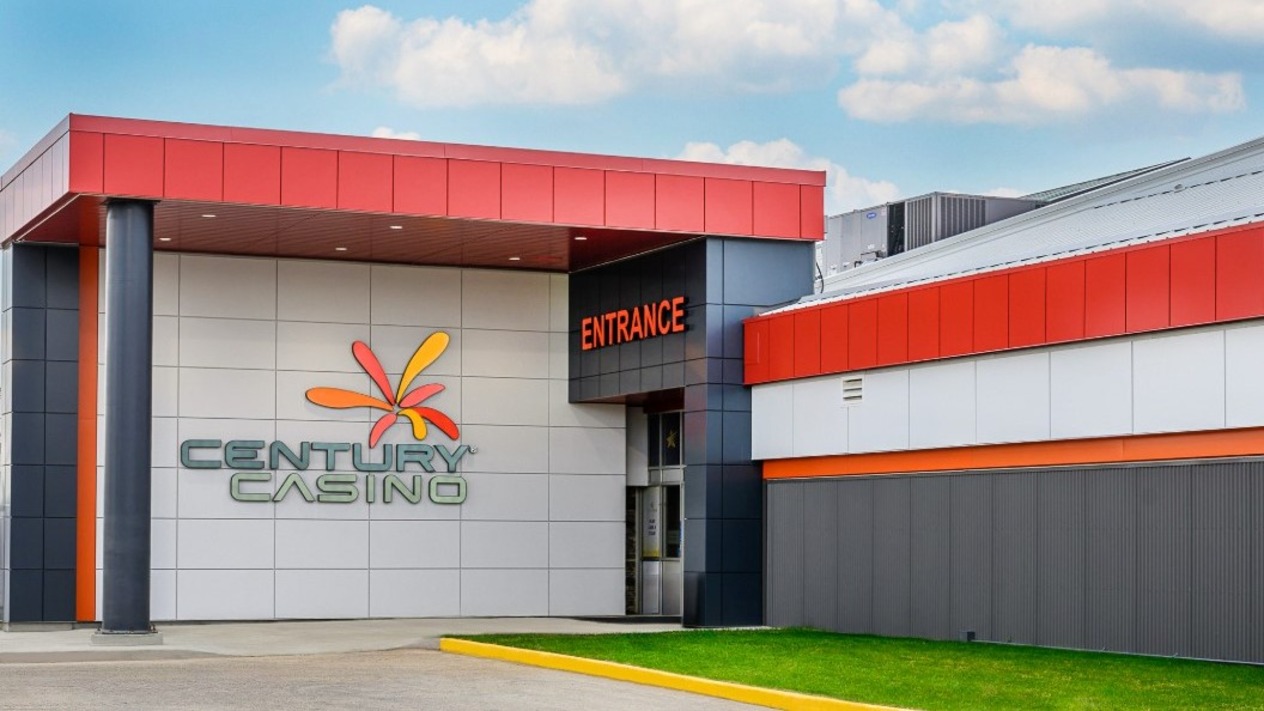
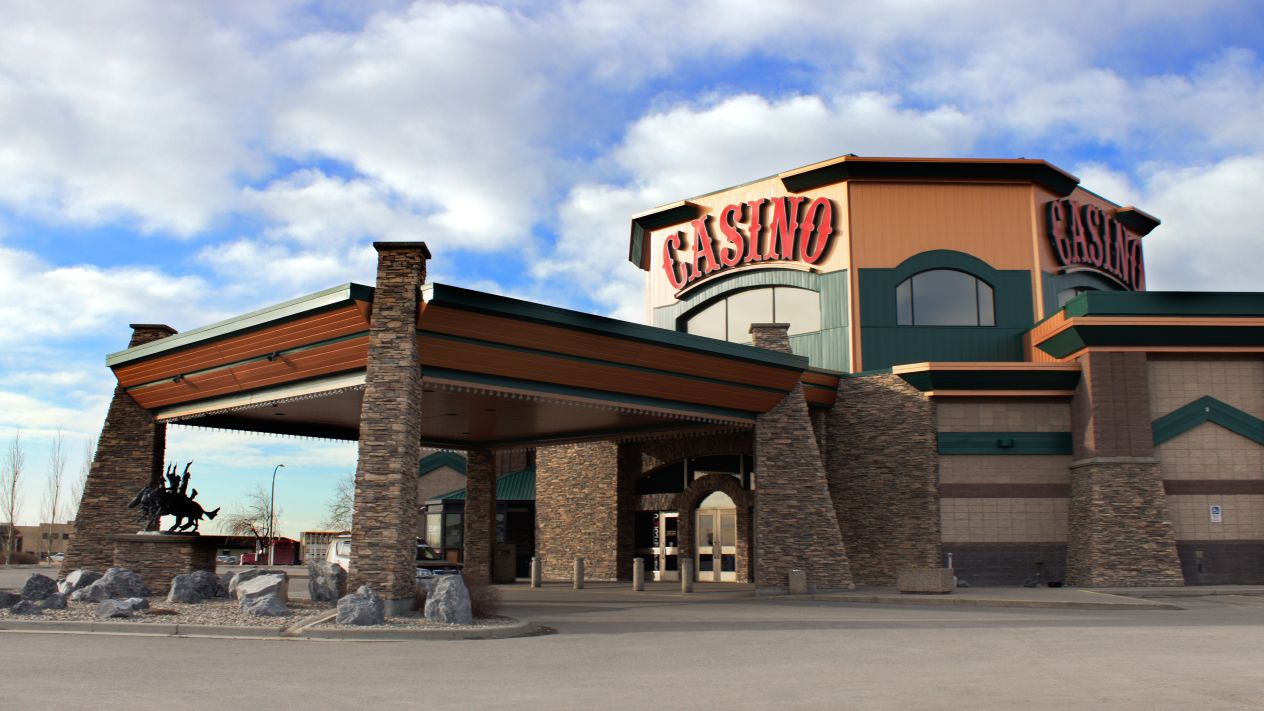
Among the properties it owns and leases back to casino operators are eight venues in Alberta, four run by Century Casinos and four under Pure Canadian Gaming branding. The casino operations of the four Pure Canadian Gaming venues are now controlled by Indigenous Gaming Partners (IGP), a company established by five Nova Scotia-based First Nations communities in partnership with Sonco Gaming, which acquired Pure Canadian Gaming’s operating assets at the end of last year.
Speaking on VICI’s earnings call on July 31, the company’s President and COO John Payne noted that the firm has seen an uptick in its Canadian properties.
“We have been very pleased with the performance of the assets in Canada,” he said. “I think it’s still a little bit too early to say exactly why they’re seeing an uptick, but I think you’re on to something that more Canadians are staying at home and visiting the local assets there, and the performance of those assets has been quite good this year.”