Working as a gaming lawyer in Canada — being any kind of Canadian gaming participant, really — means constantly keeping your ear to the ground.
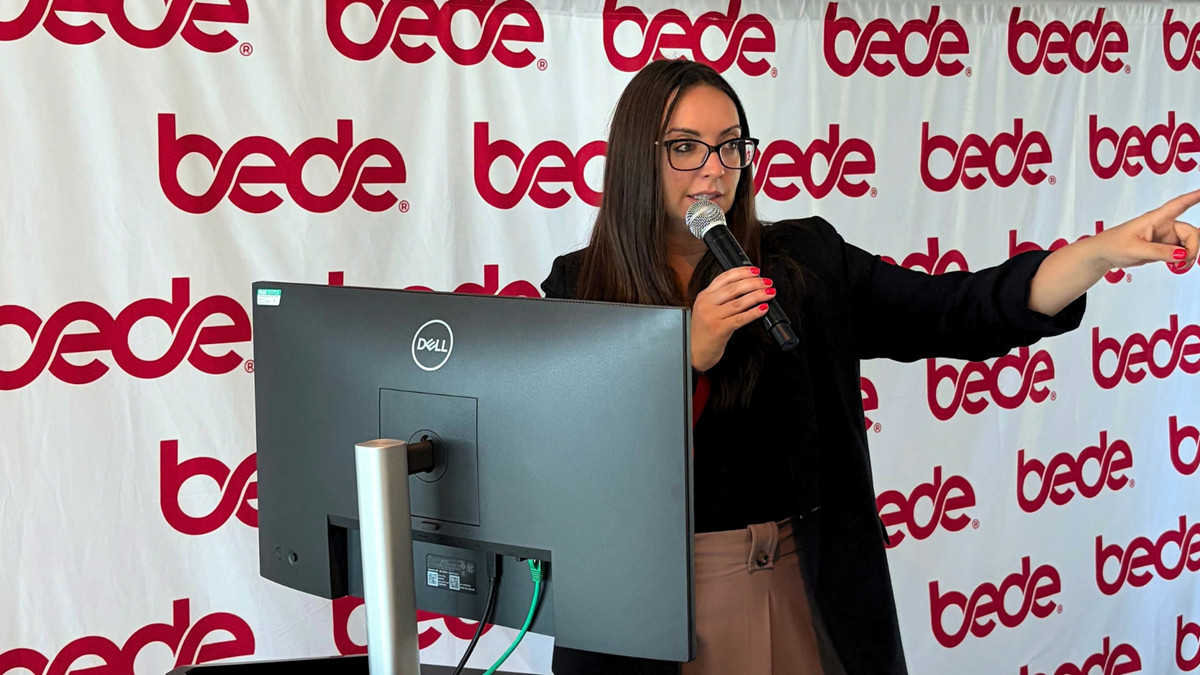
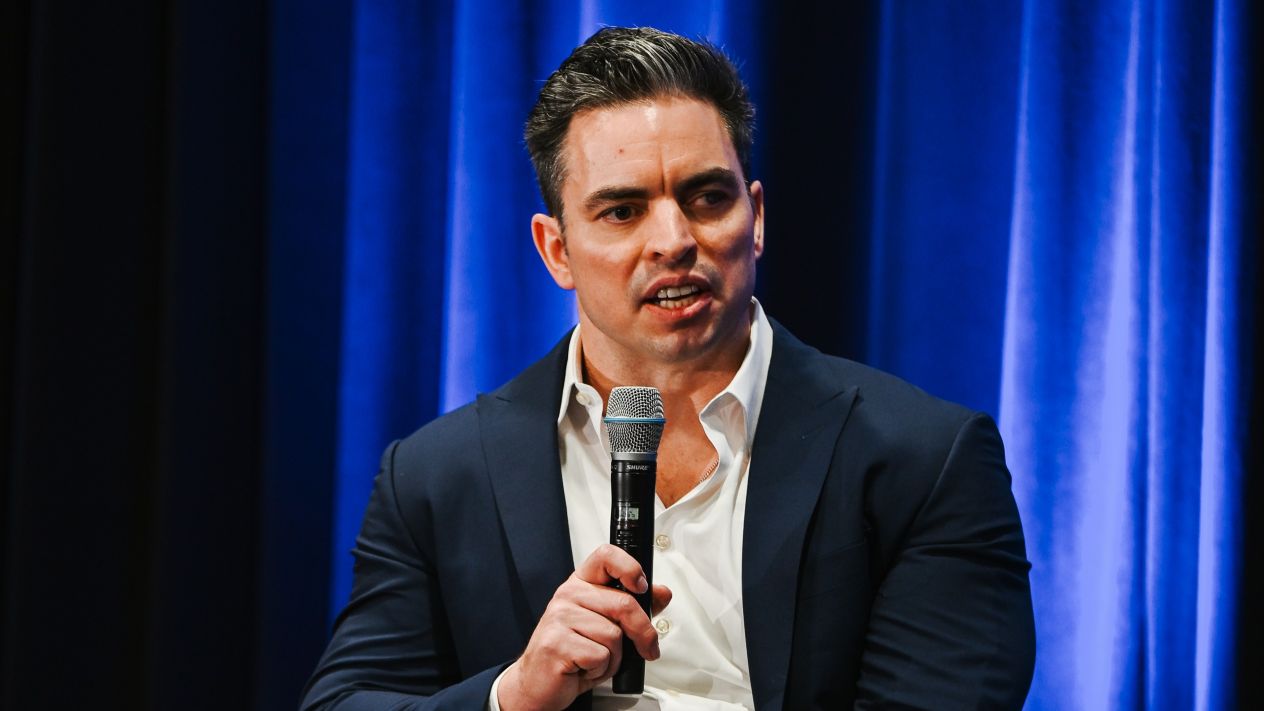
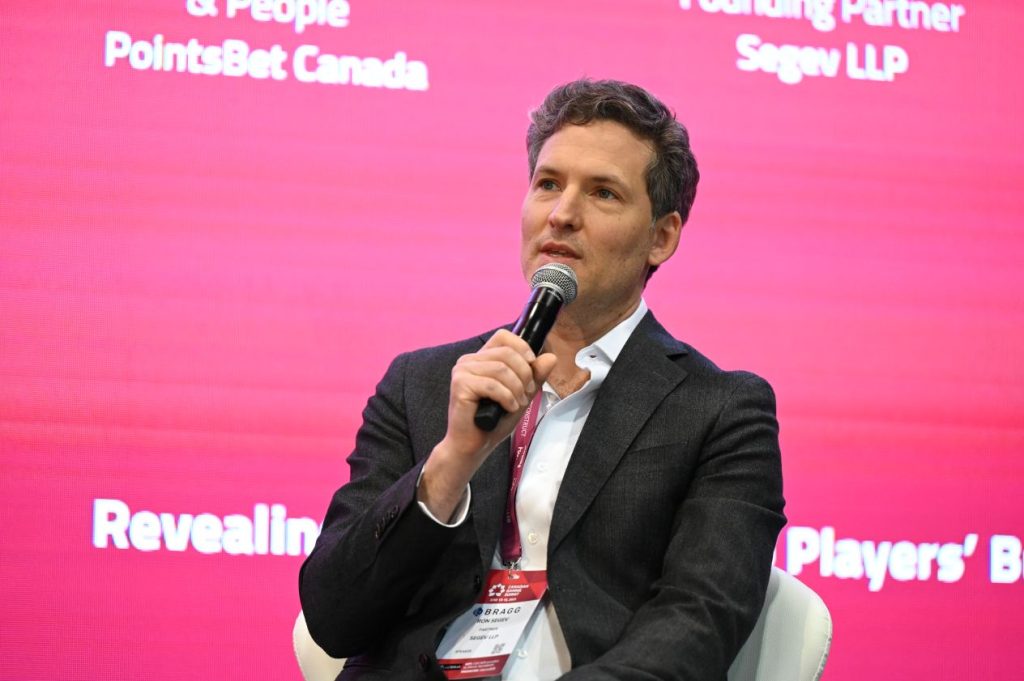
Segev LLP Founding Partner Ron Segev will be speaking at SBC Summit Canada in May on an Alberta-focused panel. What do operators and suppliers need to know about the province’s iGaming launch before doors open on July 13? And what other big-picture developments across Canada should be on everyone’s radar?
We chatted with Segev in advance of the Toronto event to get his expert thoughts.
Parts of this interview have been edited for length and clarity.
Canadian Gaming Business: Alberta will naturally be on everyone’s lips in Toronto in May. What do you make of the province’s approach to initial regulation thus far?
Ron Segev: I think Alberta has been pretty pragmatic so far. The province has separated the regulatory piece from the commercial piece, with Alberta Gaming, Liquor and Cannabis (AGLC) handling registration, compliance, and oversight, and the Alberta iGaming Corporation (AiGC) handling the conduct-and-manage side through the market structure. We are again seeing an 80/20 revenue split (subject to 3% coming off gross). The model is similar to that of Ontario’s and is familiar to the market. Familiarity is good, not reinventing the wheel is good, and the model is sensible.
In our opinion, Alberta may have improved the process by adopting a more cost-foreseeable and transparent approach to registration. Investigation fees are baked into the registration fee: There’s a single upfront fee structure of $50,000 application + $150,000 annual fee for operators, and only a registration fee of $15,000 or $3,000 for vendors, depending on the class of vendor. The real issue now is execution, and a path that gets serious operators and suppliers into market without unnecessary friction.
CGB: Alberta has stipulated that all unregulated activity in the province must end as part of a registration application. What advice would you offer to a company looking to enter Alberta’s regulated market?
Segev: My advice is to get through the door now. Once an operator is accepted into the process and the fees are paid, it may advertise and sign up prospective Alberta customers, but it still cannot accept deposits or wagers until registration is complete, the AiGC agreement is signed, and the market launches. Operators need to know they cannot incentivize new sign-ups either (so no sign-up bonuses or chances to win a free car).
The groups that will be best positioned are the ones sorting out disclosures, compliance readiness, payments, affiliate controls, customer communications, and technical integration now, not at the last minute.
CGB: Meanwhile, there’s plenty going on in Parliament, not least Bill S-211. Canadian senators want to take betting advertising by the horns. How feasible is a federal approach, and wouldn’t it risk conflict with provincial legislation or regulation?
Segev: Bill S-211 is feasible, but it should be understood for what it is. It is a framework bill, not an operating code. Now headed to committee discussion in the House of Commons, its purpose is to require the development of a national framework on sports betting advertising. Sponsor Sen.Marty Deacon has been clear that the intent of the Bill is not to impose an outright ban.
The tension with provincial regimes is real, because provinces like Ontario and Alberta already have detailed advertising rules in place. If the federal approach becomes too prescriptive, it risks duplication and compliance friction. Of interest is the general opposition to the Bill. The Canadian Gaming Association publicly opposes it on the grounds that provincial regulators already manage the issue effectively; both Ontario and Alberta have indicated they don’t support it; and Bloc Québécois characterizes it as a federal intrusion into exclusive provincial competence.
Where federal action may add value is in creating national broadcast standards, which would be useful for cross-provincial digital advertising (Ontario-based ads reaching non-Ontario viewers) and creating consistency across jurisdictions that have not opened their own markets. From an operator’s perspective, the practical answer is simple: comply with the provincial rules that already apply and keep watching the federal file.
CGB: Then, there’s Bill S-241, a potentially seismic piece of legislation related to First Nations gaming rights. How would that change how gaming is conducted in Canada, and do you expect to see more movement in Parliament this year?
Segev: I think this is the more structurally significant bill currently before Parliament. The bill would amend the Criminal Code and the Indian Act to reallocate “conduct-and-manage” authority for on-reserve lottery schemes from provinces to First Nations. In practical terms, a First Nation could, by notice, assume exclusive authority to conduct, manage, and license gaming from or within its reserve. The bill would also amend section 81 of the Indian Act to authorize band councils to pass bylaws regulating gaming.
What it does not do is just as important. It doesn’t expand the underlying Criminal Code categories of lawful gaming, and it doesn’t change the definition of “lottery scheme.” It’s really about broadening who may exercise conduct and manage powers, not about expanding what gaming is lawful in Canada.
We are also seeing growing support for S-241, which is now at consideration in committee in the Senate. Industry reporting says that 15 First Nations have signed a memorandum of understanding supporting the legislation, and reporting also indicates that the Mohawk Council of Kahnawà:ke now supports it after further consultations.
The real complexity is in implementation. The phrase “from or within” a reserve is much less clear for online or hybrid models, where questions around servers, RNGs, player contracts, and payment processing may all become relevant. There is also the issue of provincial resistance; provinces rely heavily on gaming revenues, and this bill could force a reassessment of existing arrangements. On top of that, the bill doesn’t prescribe how First Nations must structure regulatory regimes and doesn’t directly address how existing provincially authorized on-reserve operations would be transitioned or reassigned.
So yes, I do expect more movement this year, but the real work will be in how these issues are resolved in practice.
CGB: The two buzzphrases in U.S. gaming have been sweepstakes and prediction markets. In Canada, the waters have been calmer on both fronts. Where do those verticals stand legally in Canada, and do you see greater discussion ahead?
Segev: I would separate sweepstakes and prediction markets immediately, because they are fundamentally different legal questions in Canada.
Sweepstakes can be legal here if they are structured properly. That is an established pathway. The key is how the promotion is built: whether there is a genuine no-purchase-necessary route, how consideration is handled, whether the mechanics create a lottery scheme issue, and whether a skill testing question is used where required. So the short answer on sweepstakes is that they can work in Canada, but the analysis is highly fact-specific and the structure matters.
Prediction markets are much harder. In Canada, there are two overlapping barriers. The first is the Criminal Code framework. Gambling is generally prohibited unless conducted and managed by a province or its agent, which means independent prediction market platforms do not fit easily within the existing exceptions. The second is securities law. Canadian securities regulators have said there are no registered individuals or firms permitted to trade binary options in Canada, and the applicable instrument prohibits advertising, offering, selling, or otherwise trading binary options with or to individuals. That creates a serious problem for most event contract-style products marketed to retail users.
There are narrow provincial pathways, but they should not be overstated. Ontario’s standards recognize Novelty Events as bets placed on non-sporting events where real-world factual occurrences determine the outcome, and Alberta’s standards also define Novelty Bets and set criteria for them. Those are regulated exceptions inside provincial gaming regimes; they are not a broad green light for independent prediction market operators. Alberta’s current standards are especially clear that operators may not offer bets on assets or financial markets, may not offer bets that mimic the structure of financial instruments or markets, and may not offer synthetic lottery-style products.
The U.S. comparison is interesting, but it is not transferable. There, Kalshi is designated by the Commodity Futures Trading Commission (CFTC) as a contract market, and that federal derivatives framework has allowed event contracts to develop in a way that Canada does not currently mirror. CME Group and FanDuel announced a joint venture in August 2025 to develop an event contracts platform, pending CFTC review, and a DraftKings prediction market subsidiary is registered with the CFTC as an introducing broker and is a National Futures Association (NFA) member. Canada does not currently have an equivalent federal derivatives pathway for retail event contracts that would solve the underlying Criminal Code and securities law issues.
So yes, I do expect the discussion to grow as U.S. momentum continues. But in Canada, there is no imminent broad-based opening here without either Criminal Code reform, securities relief, or both.
CGB: Finally, SBC Summit Canada is always such a great opportunity to dive into conversations and consultations. What will you be looking to talk about throughout the week?
Segev: I will be looking for practical conversations. Alberta is obviously front and centre, but for me, the real discussion is about how operators and suppliers are actually preparing for entry, what they are seeing on the ground as the market takes shape, where the pressure points are, and where regulators still need to provide more clarity. I expect a lot of useful comparison across jurisdictions as well, especially where there may be opportunities for greater alignment or where different Canadian models are starting to diverge in meaningful ways.
I also expect strong conversations around how the advertising landscape may evolve with Bill S-211 in the background, what operators are doing now to stay ahead of potential changes, how First Nations participation in gaming continues to grow, and what that means for partnerships and market structure going forward. Anti-money laundering will also remain a big part of the discussion, particularly how operators are adapting their compliance programs in light of recent developments and rising expectations.
More broadly, that is really the value of a week like SBC. It is a chance to hear directly from the people building, operating, and regulating the market about what is working, what is not, and where the next set of commercial and regulatory pressure points are likely to emerge.
Ron Segev will be speaking at SBC Summit Canada on May 20 on a Leaders track panel titled ‘Alberta: The new sheriff in town’.
To catch this panel, along with the full conference program and everything else that SBC Summit Canada has to offer, secure your ticket here. Affiliates and operators qualify for complimentary passes.