The Senate heard last week that Canada may be able to learn from the U.S. approach of tribal gaming compacts and federal Indigenous gaming oversight if it is to give First Nations more control over their gaming activities.
“It is worth noting that our current model is not the only possible path forward,” Progressive Senate Group Sen. Tracy Muggli told fellow federal legislators on Feb. 5. “There are existing approaches that place Indigenous governments in a stronger position when it comes to gaming. In the United States, for example, tribal state compacts are authorized through federal legislation and built upon the premise that tribal governments remain the primary beneficiary of gaming revenues.”
Numerous U.S. states have some form of tribal gaming compact in place under the Indian Gaming Regulatory Act (IGRA), including Arizona, California, Michigan, Nevada, Oklahoma, Washington and more.
“My understanding is those arrangements generally require that the majority of net gaming revenue remain with the host Indigenous community,” added Muggli. “States may still participate in revenue sharing; the key difference is that negotiations begin from Indigenous jurisdiction rather than state control.”
Bill S-241 re-examines First Nations gaming rights
Muggli was presenting Sen. Scott Tannas’ S-241, the latest version of the Act to Amend the Criminal Code and the Indian Act. That bill, introduced late in 2025, would change federal law to affirm that the governing body of a First Nation has exclusive authority to conduct and manage, license and regulate gaming on its lands.
In Tannas’ words, it would codify the notion that First Nations can govern gambling on their reserve lands “in a way that matches identically provincial jurisdiction and powers in their respective jurisdictions.”
In effect, it would deem First Nation reserves not to be a part of the province containing them, for the purposes of gaming. A First Nation would be required to notify federal and provincial governments that it intends to run gaming on its lands, but would not need governmental approval to do so.
Muggli called the bill “an overdue conversation” about economic reconciliation with First Nations, noting that First Nations sovereignty measures such as the United Nations Declaration on the Rights of Indigenous Peoples (UNDRIP) were not in place when the Criminal Code granted provinces authority over gaming in their jurisdictions.
“Indigenous governments were not a part of that decision,” she told the Senate chamber. “Bill S-241 provides an opportunity to revisit a system that was constructed without Indigenous participation and reconcile with our past mistakes.”
Is a national First Nations gaming authority needed?
Many Canadian provinces have prominent First Nations gaming roots and operators. In Muggli’s province, the Saskatchewan Indian Gaming Authority runs several land-based casinos and the only authorized online gambling platform, PlayNow.
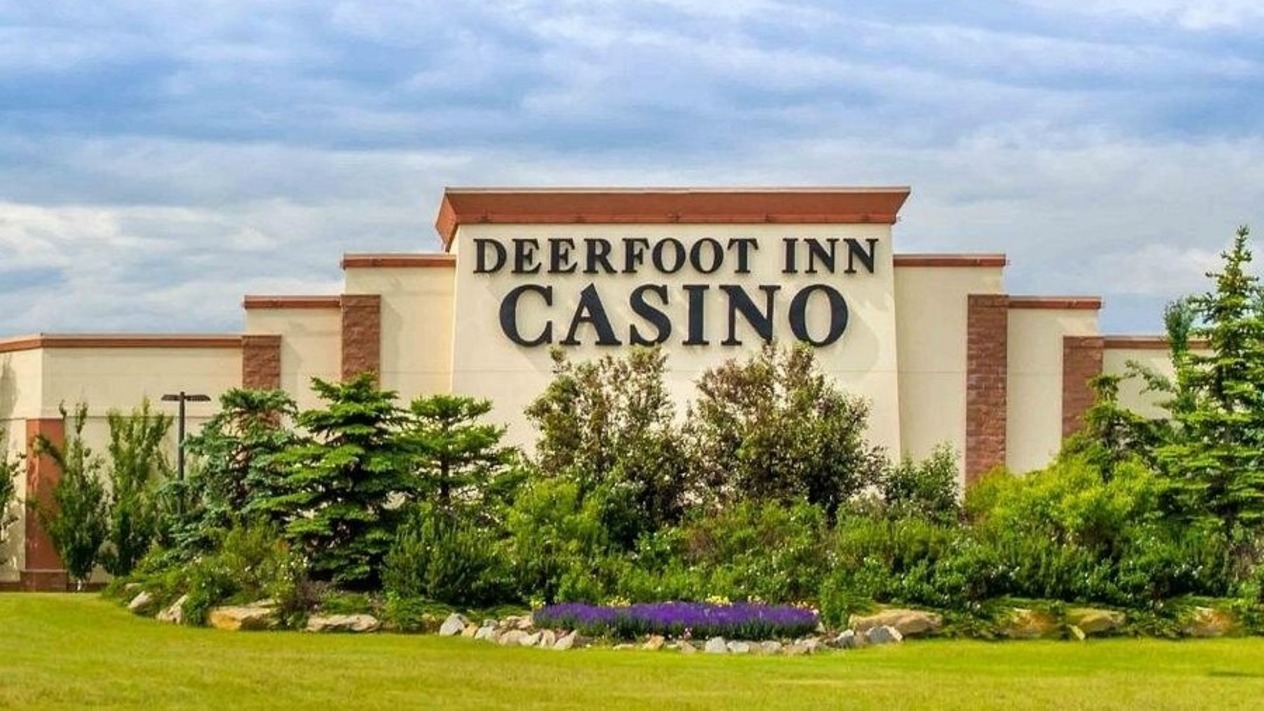
Elsewhere, British Columbia has seen a trend of casinos being bought by First Nations groups, the regulated commercial online gambling province of Ontario has Casino Rama on the Chippewas of Rama First Nation, and Alberta’s rich Indigenous gaming history is a big part of the conversation as that province gears up to open its own iGaming market.
Muggli suggested that one thing that may warrant discussion is the idea of a federal First Nations gaming body.
“Bill S-241 does not directly address how gaming or potential gaming communities would participate in or benefit from a new framework,” she noted. “A memorandum of understanding signed by 15 First Nations in Canada in 2024 recognizes and outlines an Indigenous-led approach. This includes the need for a national Indigenous gaming authority.”
In the U.S., IGRA established the National Indian Gaming Commission (NIGC), a federal regulatory authority for tribal gaming embedded within the Department of the Interior. The Indian Gaming Association (IGA), a nationwide non-profit organization of federally recognized Indian nations and associate members, works to protect tribal sovereignty and promote economic self-sufficiency through gaming for U.S. Indian nations.
Provinces may have other ideas
This is a deeply complex issue, and a sensitive one. It seems unlikely that Bill S-241 will be resolved this session, but the conversation is back on the agenda.
Tannas and Muggli have both stressed the need for all stakeholders to be involved. That includes the provincial governments that hold the authority to run gaming in Canada. Muggli stated that provincial governments remain “significant beneficiaries” of gaming revenues, even when Indigenous communities do a lot of the heavy lifting. “Even as [First Nations] build out these investments, they remain junior partners in a system that depends on their success,” she asserted.
“As I understand it, this bill would effectively displace provincial gaming authority where a First Nation chooses to exercise jurisdiction,” acknowledged Muggli. “I would hope that committee carefully examines both the benefits and the potential drawbacks of that arrangement by including the voices of provinces and territories and what impact these potential changes would have on them.”
For instance, she suggested, there will likely be deep discussions about market controls, whether there should be limitations on new entrants to the gaming market in various provinces and whether First Nations’ treatment should be affected by their size and location.
US shows it’s possible, says senator
S-241 is expected to be referred to committee for a much deeper dive than it has had in its initial full-chamber readings in the Senate. Muggli noted that committee study and much more discussion will be needed, but she stressed that lessons from the U.S. show that empowering First Nations with greater gaming rights can be done.
“We know of models outside of Canada that put Indigenous jurisdiction first, so this is possible.
“We have reached the point where it is incumbent that we examine closely and listen to First Nations about what economic independence looks like and move forward toward getting there. The bottom line is that economic reconciliation requires that we trust Indigenous governments to make their own economic development decisions and investments.”