July 2026 wasn’t when anyone involved initially expected regulated Alberta iGaming to launch.
It’s been three years since the provincial government started its initial exploration of the idea, and initial hopes to launch the provincial market as early as the start of 2025 were pushed back by mutual agreement during the government’s consultation process.
The July 13, 2026, date was ultimately set earlier this year, even though Minister Dale Nally said candidly at the recent SBC Summit Canada in Toronto that he wanted to cut the ribbon and fire the starting gun in May.
“We were ready to launch earlier, we were going to go in May, but it was the operators who said to us that they wanted us to hold back,” Nally told SBC’s Managing Director Andrew McCarron in late May. “So, through consultation with industry, we landed on July 13 as being that sweet spot.”
Now, after what for many big-name gaming companies has been years of preparation, they’re on the cusp. It’s fair to say most operators who go live on or after that date will just be happy to be there.
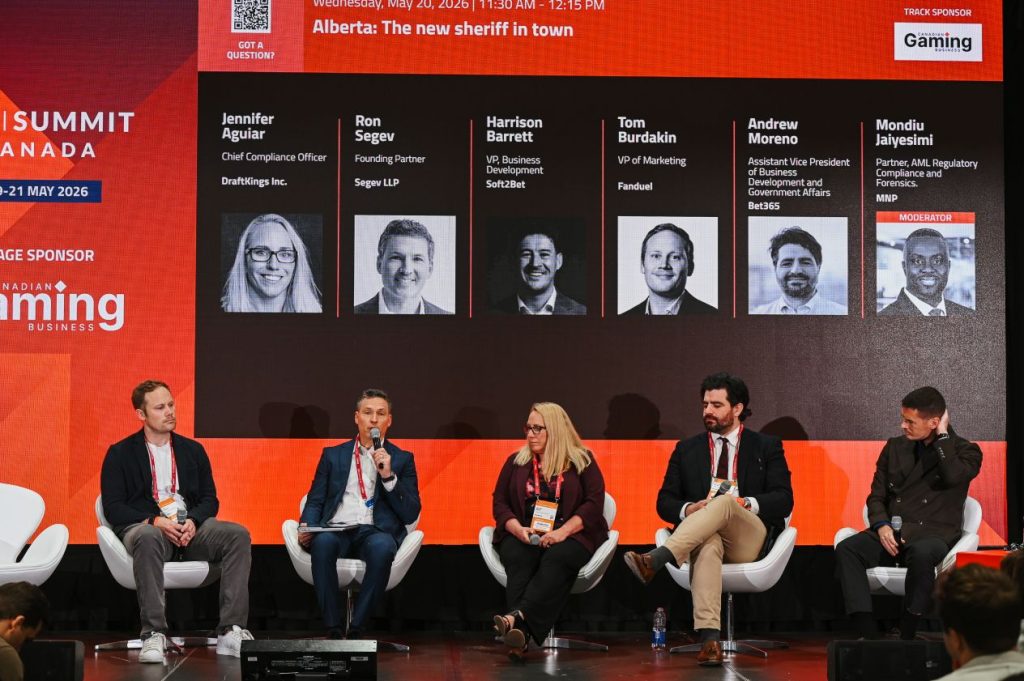
“We are so excited to enter regulated Alberta,” FanDuel Vice President of Marketing Tom Burdakin said on an Alberta-focused panel at SBC Summit Canada. “We’ve been talking about it so long it almost doesn’t feel real.”
Much better late than never
The July date means Alberta missed NHL and NBA playoff season this spring, and will not get the full benefit of the frenzy of activity that is the FIFA World Cup. But sportsbooks in the province will be taking bets just in time for the semi-finals and final of that tournament, and will then get a summer of feet-finding (carried along by summer events like the CFL and Toronto Blue Jays baseball) before the new hockey and NFL seasons start.
It could all come together very nicely.
“There’s always a sports tentpole, no matter the launch time,” added Burdakin. “The World Cup has the potential to really take the nation by storm, there’s a lot of opportunity here, and I think it’s a great chance for sports fans to really get involved in taking part in the action in a way they haven’t been able to do in the past.
“I also appreciate that it’s happening right after [the Calgary] Stampede, so people might be at home in the dark for a couple days with their phones. It’s perfect timing.”
For everyone involved, from Nally’s office to the Alberta Gaming, Liquor, and Cannabis (AGLC) regulatory body to the Alberta iGaming Corporation (AiGC) conduct-and-manage agency, it’s a date long in the waiting.
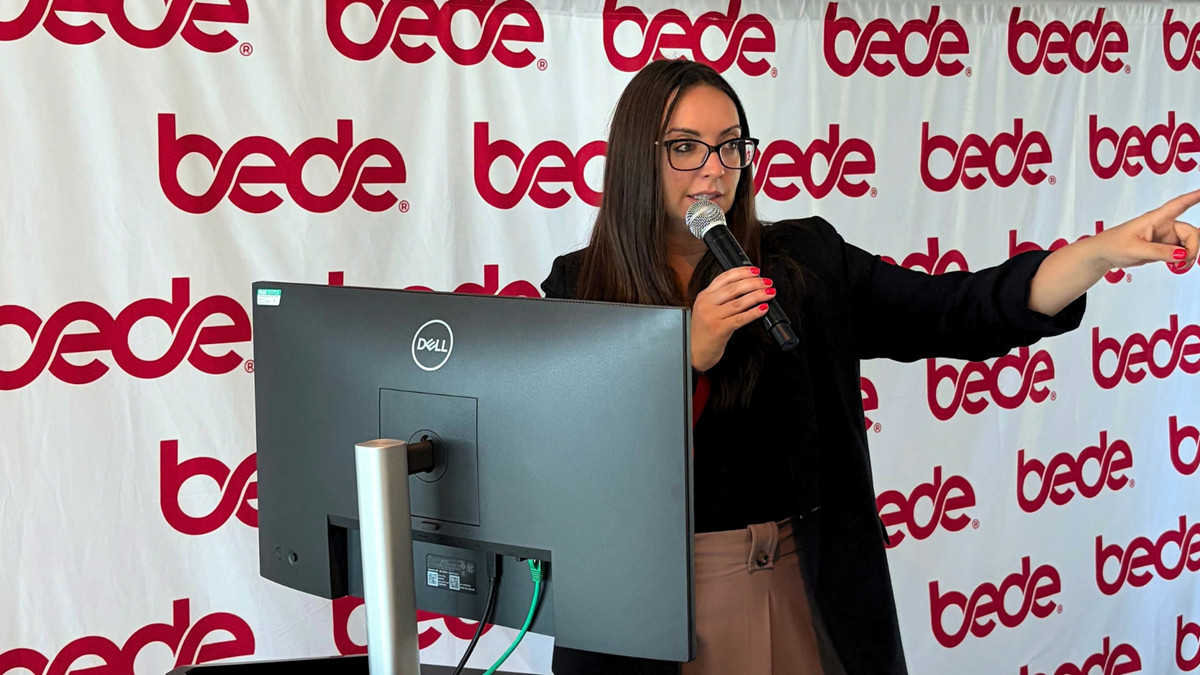
“It’s quite a journey and it’s been exciting to see it come together,” AiGC CEO Dan Keene told ‘Safe Bet Show’ host Martin Lycka on a separate SBC Summit Canada panel. “July 13 is what we’re focused on. We’re trying to make the market as seamless for the industry as possible, commercially viable and successful, and always keeping in mind responsible gaming and what we need to do for Albertans.
“It’s all coming together and certainly it’s not without a lot of work and a lot of effort.”
Alberta heads into the light
The Alberta government is expecting to make around $76m from iGaming in the first year of the market, Nally recently told the Edmonton Journal.
His office, though, has posited repeatedly that while revenue is a bonus, protecting players by offering a range of responsible gambling-mandated platforms and moving existing grey-market iGaming play under regulatory oversight are the key goals here. Per multiple market assessments, the general consensus is that at least 70% of all current online gambling in Alberta is done on unregulated sites; in Ontario, where the regulated market has been open for four years, that proportion is reputedly about 10%.
“Broadly speaking, the success of any market is really going to come down to a number of different factors,” noted bet365 Assistant VP of Business Development and Government Affairs Andrew Moreno on the panel with Burdakin. “It’s not going to just be about the revenue. We view it as a balancing act that needs to be struck between consumer protection, a sustainable commercial model and sustainable financial model, and the ability of the market itself to channel players away from the unregulated operators.”
Moreno, Burdakin, and their fellow panelists — DraftKings Chief Compliance Officer Jennifer Aguiar, Soft2Bet VP of Business Development Harrison Barrett, and Segev LLP Founding Partner Ron Segev, all agreed that Alberta has been right to replicate many aspects of Ontario’s regulated market.
“Alberta’s emulated Ontario in lots of ways,” noted Barrett. “It’s important when new markets go live not to try and reinvent the wheel too much, but ultimately find new innovative ways, working with some of the more experienced operators, to fine-tune what’s been the situation before.”
Alberta is not Ontario; Calgary is not Edmonton
Aguiar’s DraftKings, Burdakin’s FanDuel, Moreno’s bet365, and Barrett’s Soft2Bet (which runs the ToonieBet brand) are four of the roughly 50 operators that are already registered and ready to go when the starting pistol is fired. For many of them, it’s nothing new; Aguiar noted during the discussion that DraftKings is in more than 40 jurisdictions at this point.
But each one is different and comes with its own priorities and focuses, and its own local language that needs to be spoken. As Moreno noted, what works for bet365 players in Missouri doesn’t necessarily work for bet365 players in New Jersey, and vice versa.
Segev perhaps put it best.
“There’s a difference between Edmonton and Calgary,” said the gaming lawyer. “That’s critically important to understand. And Western Canada is a different Canada.”

For operators wanting to make a big impact from the get-go, that will mean sports markets that appeal to Albertans as a cohort, not just Canadians; branding and marketing that leans on imagery and ideologies (and sometimes high-profile athletes) that Albertans are familiar with; and, wherever possible, boots on the ground.
“I think one thing we learned from Ontario is the degree to which Canadians really value amplifying authentic local moments,” explained Burdakin, whose FanDuel has numerous Canadian sports partnerships with the likes of TSN and the CFL and has been running free-to-play promos in Alberta as it pre-registers customers.
“You’re going to see a lot of emphasis on ensuring that we localize marketing. The reality we’ve had to accept is that we need to meet Albertans where we are, not where they are or where we think they should be, so you’re going to see a lot of not only on-the-ground in-person activations, but also a closer connection with the Albertan people as it opens up.
“Ultimately, I think Albertans are really going to recognize the benefits of a regular regulated market, both in terms of product improvements and how the marketing differs.”